The Freethinker
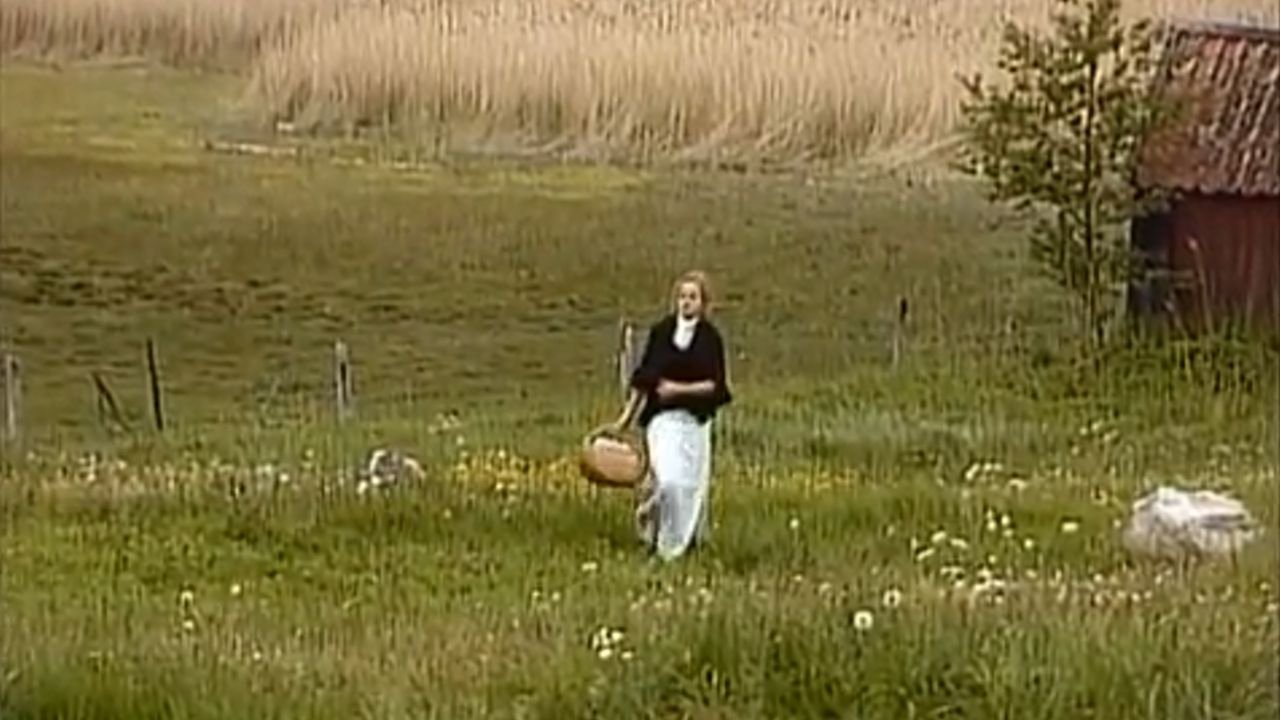
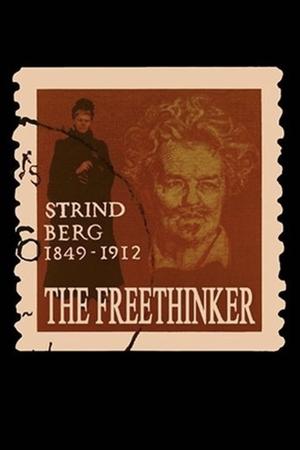
The film portrays the Swedish playwright, novelist, poet, essayist and painter August Strindberg's life 1849-1912. Through his extensive correspondence and literary production, from the supposed first work, the drama "The Free Thinker" (1869), to the posthumously published "The Occult Diary" (published 1977 ). But also his three wives, Siri von Essen, Frida Uhl and Harriet Bosse, and the children Karin, Greta and Hans are given space in the film. The unpublished first drama "The Free Thinker", depicts a young man forced to break with family and tradition to follow his conscience and ideals, becomes a prophecy about the author's own life.

- / 5
PopScore
Representation
Pictures and Videos

Movie Information
The film portrays the Swedish playwright, novelist, poet, essayist and painter August Strindberg's life 1849-1912. Through his extensive correspondence and literary production, from the supposed first work, the drama "The Free Thinker" (1869), to the posthumously published "The Occult Diary" (published 1977 ). But also his three wives, Siri von Essen, Frida Uhl and Harriet Bosse, and the children Karin, Greta and Hans are given space in the film. The unpublished first drama "The Free Thinker", depicts a young man forced to break with family and tradition to follow his conscience and ideals, becomes a prophecy about the author's own life.
Rating:
Genre:History, Drama
Written By:Niklas Westergren, Charlie Kristiansson, Peter Watkins
In Theaters:
Box Office:
Runtime:276 minutes
Studio:Arbetarnas Bildningsförbund, Nordens Biskops-Arnö folkhögskola, Svenska Filminstitutet
Cast

Peter Watkins
Director

Anders Mattsson
August Strindberg
Lena Settervall
Siri von Essen
Roland Borgström
Carl-Oskar Strindberg
Ingela Berger
Ulrika Eleonora Strindberg
Torsten Föllinger
August Strindberg (Old)
Mikael Rubbestad
August Strindberg (12 Years Old)
Emil Eriksson
August Strindberg (7 Years Old)
Karin Rubbestad
Eva Karlsson
Camilla Lindberg
Karin Strindberg (14 Years Old)
Karin Jansson
Karin Strindberg (8 Years Old)
Sofi Holt
Greta Strindberg (6 Years Old)
Articles You May Like
Short Film Review “With Arms Raised” A car ride, conversation, what we’ve experienced, personal judgements, and what we resort to is explored with both enigmatic then striking impact
“And I think to myself….what a wonderful world”. Louis Armstrong sang about this notion via his classic 1967 song, an ode to witnessing elements of our life that should be but some reminders of exactly what that concluding line of each verse indicates. Now we see our contemporary realities and, just being honest, it makes a sentiment like this seem SO overtly far away….perhaps even impossible….to accept or believe could be. It sounds harsh, but again, so much of what is occurring speaks not to beauty, but bedlam.
‘Malcolm & Marie’: A Promising Premise With Disappointing Results
Sam Levinson's latest film can't keep up with the excellence of its performances.
Docunight Presents: Iranian Women's Stories
Four documentaries, now streaming on the Criterion Channel, embody the adopted slogan of the current protest movement: Woman, Life, Freedom
Why DEH should have Gone POC
The gentle, emotional nuances of Evan’s coming-of-age story would have been so beneficial to have incorporated into the life of a POC character. Showing a Black, Asian or Latino young man that is afforded the space to be vulnerable, flawed and sensitive while driving a compelling and widely-loved narrative would have been a game changer.