A Conversation With the Filmmakers of 'When Men Were Men'
Hours before their line-up of screenings for Trans Awareness Week began, the filmmakers of 'When Men Were Men' chatted with me about the film's personal exploration of masculinity.



During a quarrel at a Scottish inn, Captain Gordon wounds another officer and flees to New York with detective Jenks on his trail. Once there, he meets Marjory Seaton, an heiress whom her Uncle Tidmarsh is trying to marry to the profligate Winslow, but she is interested in fashionable sportsman Sylvester. One night at a ball, Gordon spies Jenks following him and, in the course of his escape, accepts refuge from a fight promoter named Brooks. At Brooks' request, Gordon substitutes for Sylvester's opponent, burglar Deacon, at a charity bout, and knocks out the real pugilist. Later, during a dinner party at the Tidmarshes', Gordon is mistaken for a lord and, when the real nobleman appears, is denounced as an impostor. A lost film.

Joseph Henabery
Director


Robert Warwick
Captain Douglas Gordon
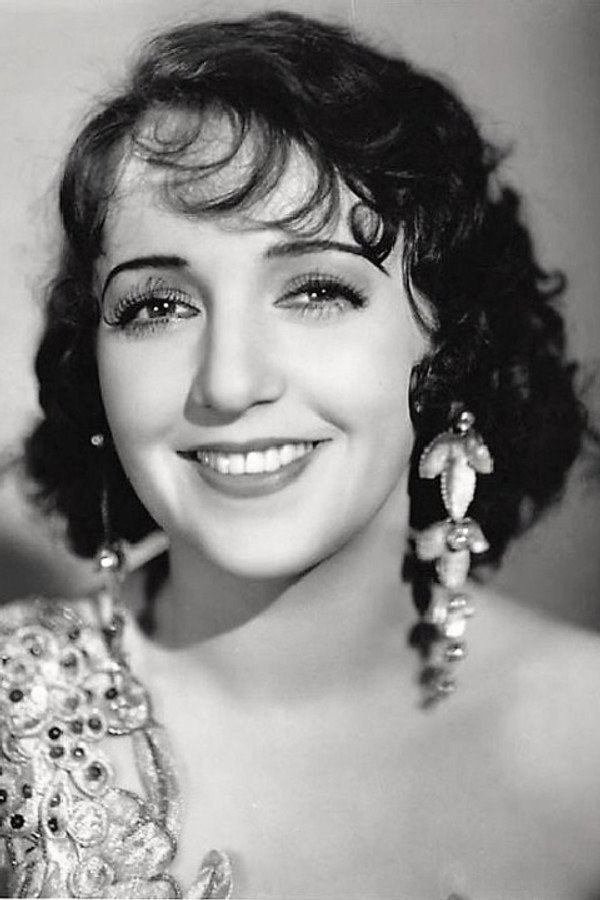
Bebe Daniels
Marjory Seaton

Walter Hiers
Harry Brooks

Robert Milasch
Jenks (as Robert Milash)

Norman Selby
Dwight Sylvester
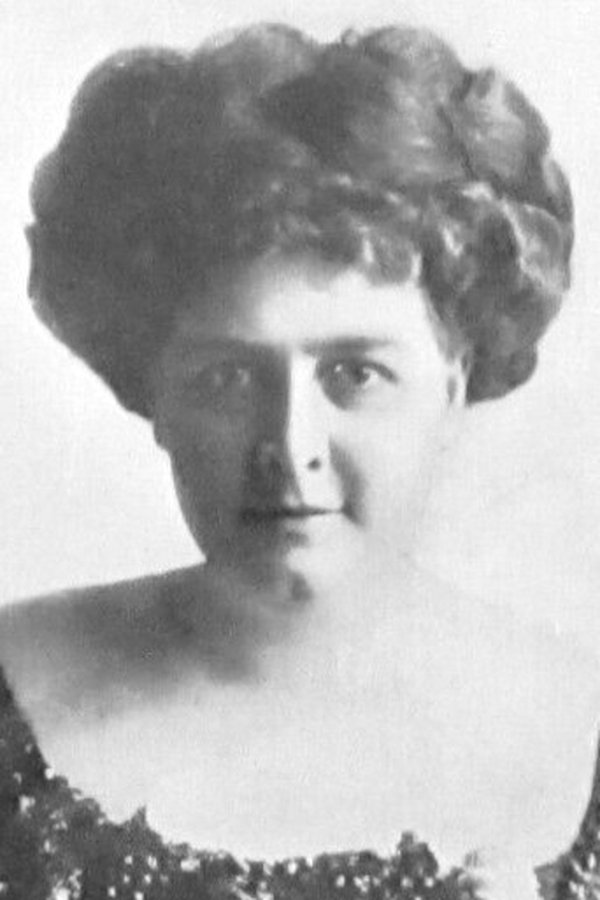
Sylvia Ashton
Mrs. Tidmarsh

Jim Farley
Monk Brady
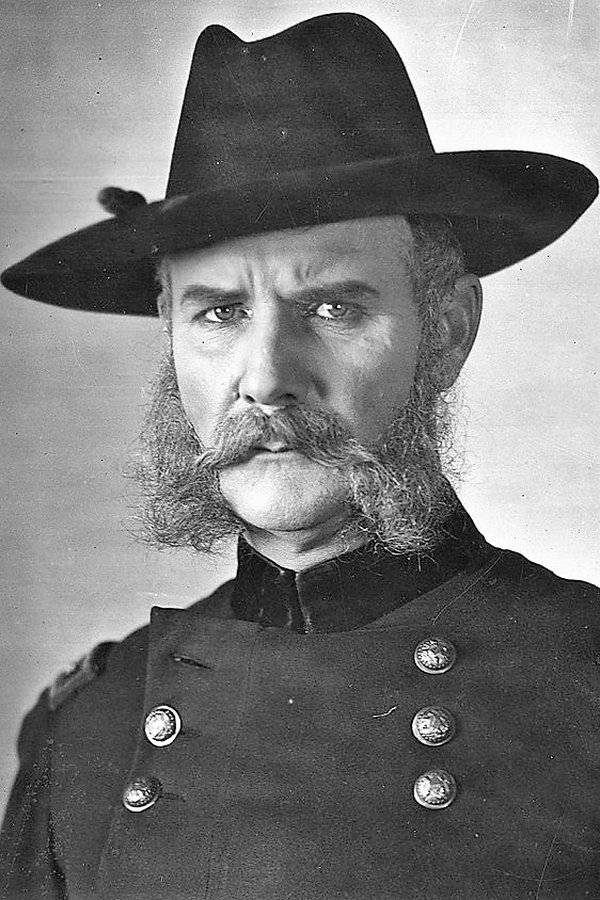
Clarence Geldart
Major McDowell

Viora Daniel
Mrs. McDowell

Robert Dudley
Tidmarsh
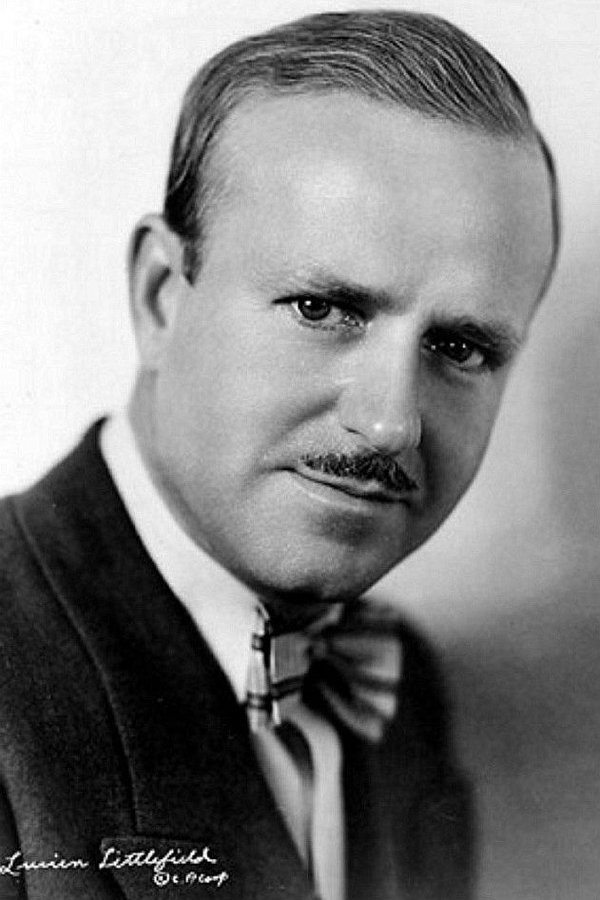
Lucien Littlefield
Wesley Colfax Winslow
Hours before their line-up of screenings for Trans Awareness Week began, the filmmakers of 'When Men Were Men' chatted with me about the film's personal exploration of masculinity.
In this remake of the 1993 film of the same name, The Wedding Banquet follows the life of two queer couples as they struggle with life-changing decisions.
The Fog follows more of a 1950s creature feature plot than a late-70s slasher with three legendary scream queens.
Hiring bias is something that's rampant in all industries (even unconscious bias). But writing a script totally neutral not only opens the door for more diverse actors, but also for characters that are people first.
A film loosely based on the fairy tale Hansel and Gretel, with major twists to the original story.
'Motherless Brooklyn' is a 1950s whodunit made by its star, Edward Norton. Like most detective films in this setting, the cast is mostly white males (with a few notable exceptions).