


Nothing's Impossible in Disney's "Cloud 9"
A story about precarious tricks and unstoppable discipline to inspire young viewers. They'll learn that like any dream, achieving Cloud 9 is possible.

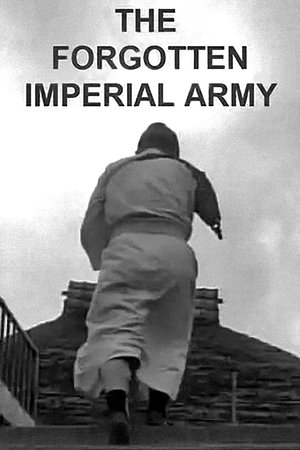


This documentary examines the plight of Korean veterans who were conscripted into the Japanese imperial army during World War II and later left destitute in postwar Japan. Many, disabled by their service, are denied compensation because of their Korean nationality. Filmed for Japanese television, the work confronts public apathy and exposes the unresolved moral responsibility Japan bears toward those who fought in its name.
A story about precarious tricks and unstoppable discipline to inspire young viewers. They'll learn that like any dream, achieving Cloud 9 is possible.
All in all, “Event Horizon” is a cinematic misfire, begging to be perfected in the future. While it possesses an array of admirable visuals, the film leaves much to be desired. If only we could see Anderson’s preferred cut, which featured more character development and tortuous imagery. In the meantime, I have a catchphrase for this film: In space no one can hear you snore.
Zombie apocalypses have been metaphors for late-stage predatory capitalism, but never a system disrupter that brings about freedom.
Honey Don't! is a chaotic queer noir that's part detective story, part midnight movie madness. Margaret Qualley is fantastic as the wise-cracking private eye Honey, with Aubrey Plaza and Chris Evans adding their own dry humor to the mix. The mystery itself is pretty loose, but the film makes up for it with crackling sexual tension, weird side characters, and razor-sharp dialogue. It's messy and uneven, but in the best possible way.
The enthralling prequel and 5th installment in 'The Hunger Games' film franchise.
The film is a simple love story reminiscent of stories like The Notebook released in 2004. Sylvie and Robert are rarely actually together in the film, however; time and circumstance keep them away from each other, and the audience waits with bated breath to see them find one another over and over.