
Why Joel Coen’s ‘The Tragedy of Macbeth’ is the Best Version
Joel Coen has gone solo to create perhaps the greatest version of Shakespeare's 'Macbeth' since Shakespeare himself.
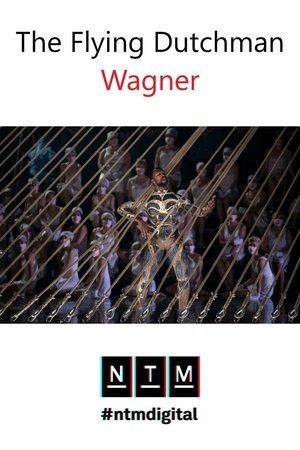


A captain is cursed to sail the seas of the world forever, only allowed to make landfall once every seven years. Will he find the love of a faithful woman to break the curse? Richard Wagner came across the legend of The Flying Dutchman in 1838 through Heinrich Heine’s From the Memoirs of Herr von Schnabelewopski. After a stormy voyage from Riga to London – Wagner was again on the run from creditors – he chose the material for his next opera and began to compose it, with the unpredictable power of the sea still fresh on his face. Against the backdrop of this wild nature, Wagner exposes in Holländer his utopia of a love that transcends, offered as an antidote to the 19th century zeitgeist of pounding industrialisation and economic growth. Roger Vontobel’s new production from Mannheim is streamed live on the opening night and audiences around the world can share in some of the most rousing music written in opera.
Joel Coen has gone solo to create perhaps the greatest version of Shakespeare's 'Macbeth' since Shakespeare himself.
I’m still trying to comprehend the psychological and moral implications of their fascination with each other, or why their almost written-in-the-stars depth of connection makes so much sense.
It’s hard to capture the emotions and thoughts of a character just from a few shots, but Oscar-nominee composer Micachu's haunting melodies prove otherwise in 'Jackie'.
This story solidified my choices to consume a more plant-based diet and nearly made me cancel my subscriptions to big corporations like Amazon. The narrative was perfectly crafted and on par with Bong Joon-Ho’s other major works; Parasite and Snowpiercer.
The sequel to the 2010 live-action movie focuses on sibling rivalry.