


'Zom 100' Critiques Predatory Capitalism
Zombie apocalypses have been metaphors for late-stage predatory capitalism, but never a system disrupter that brings about freedom.
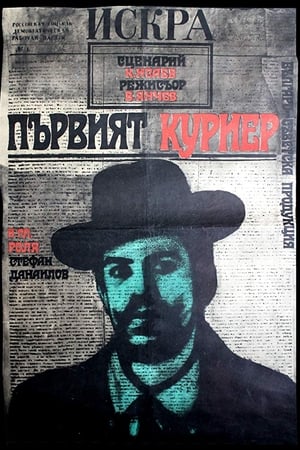


The beginning of the XX century. In Munich, the Leninist "Iskra", an illegal newspaper of Russian Social Democrats, began to appear. The Russian conspirator Konkordiya arrives from Munich at the railway station of the Bulgarian port city Varna. She meets the Bulgarian Ivan Zagubanski and gives him two suitcases with false bottoms, which contain a secret consignment of the latest issue of a newspaper. About the young, courageous revolutionary Ivan Zagubanski, who was one of the first couriers to bring Iskra from abroad. The film showed an ideological, moral clash of people preparing a revolution with the guardians of the royal order.
Zombie apocalypses have been metaphors for late-stage predatory capitalism, but never a system disrupter that brings about freedom.
Disney has cleverly managed to dance around the misdeeds of their past by scraping by with an insincere action that does very little to incite any long-lasting positive changes.
Netflix’s new comedy drama, Don’t Say Good Luck, is a heartwarming tearjerker as well as a love letter to the transformative power of being a theater kid. Directed by Julia Hart, Don’t Say Good Luck follows Sophie (Sunny Sandler), a theater kid who finally gets the lead role in her school’s production of Waitress - just as she finds out her mom Elizabeth (Melanie Lynskey) is dying of cancer. While the singing is by no means spectacular and Sandler’s acting is stiff, the film is grounded in the moving performance of Lynskey as a mother who wants nothing more than for her daughter to achieve her dreams, even if she can’t be there to see them.
The quiet ache of guilt sitting at the dinner table, the silence after a truth is buried, and the way pain is passed down like a name.