
Finding Your Inner Soul and Self in Rip Tide
Rip Tide is a coming-of-age film that teaches viewers about finding yourself and reconnecting with surroundings.
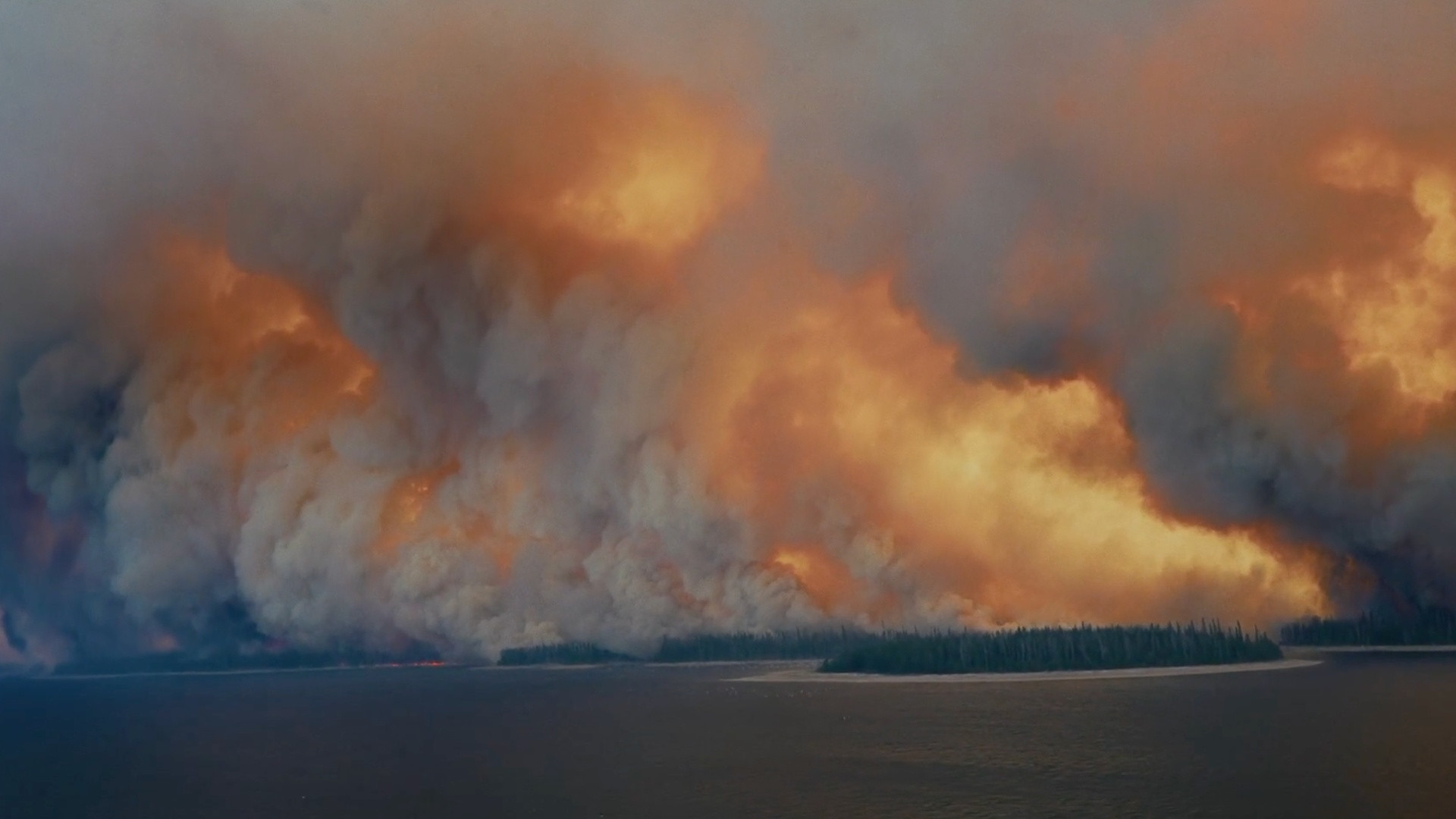
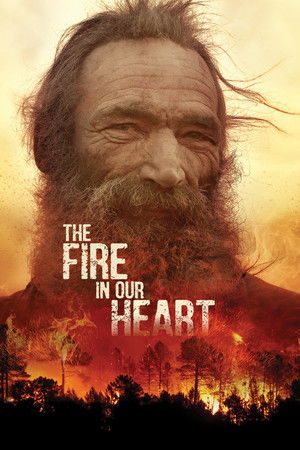


On British Columbia’s remote Southside, wildfire is not an abstract threat—it is a lived reality. As flames close in on a frontier community, the Cheslatta Carrier Nation and their neighbours face an impossible choice: evacuate, or stay to protect the land that defines them. With limited access and little outside support, the community responds collectively, drawing on Indigenous leadership, cooperation, and generations of knowledge to confront the fire in near isolation. In the aftermath, the burn reveals a long-erased Cheslatta village site, resurfacing a suppressed history just as their response gains wider attention as a model for resilience. But when the flames recede, new constraints emerge—raising questions about the limits of community-led action, and the fragile balance between survival, autonomy, and authority.
Rip Tide is a coming-of-age film that teaches viewers about finding yourself and reconnecting with surroundings.
This side-splitting workplace comedy features a diverse cast and tackles challenging social issues. Other sitcoms should take note.
Not only does the system prevent upward mobility, but it makes it incredibly easy to slide from comfortably middle class to unhoused.
Guillermo del Toro highlights a touch of innocence in the Gothic classic. The journey of Victor Frankenstein defying death gained inspiration from the Eastern energy system that is named ‘Qi’ and the lymphatic system being studied by Muslim scholars.
When the retelling of the Cinderella fairy tale and a holiday spirit come together, viewers learn about class issues as well as perseverance despite setbacks.
Steven Spielberg's West Side Story (2021) improves on the original's terrible representation, poorly written romance, and more. --> check out reviews & film summary