

“Bury Your Gays” Trope in TV and How “Wynonna Earp” Defies it
I think that the happiness and survival of "Wynonna Earp"’s LGBTQ+ characters is incredibly refreshing in contrast to the prevalence of queer suffering and death in other television.
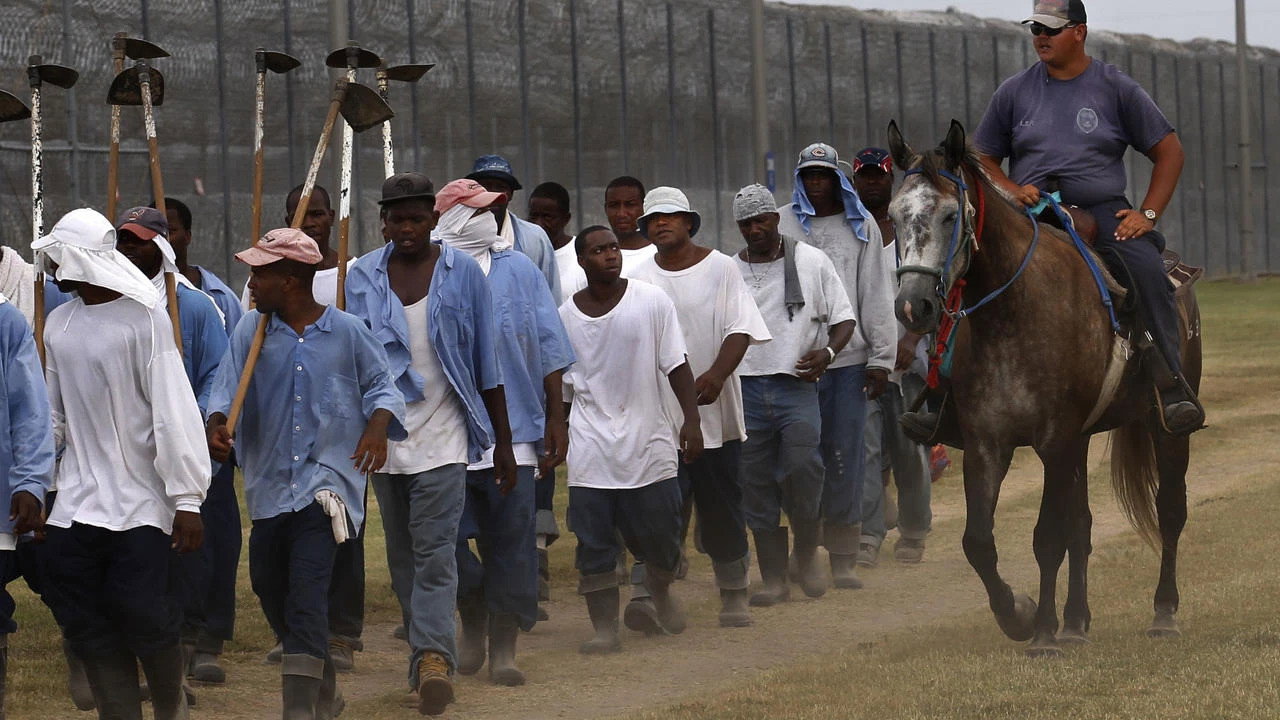



Documentary depicting day to day life in Angola Prison mostly from an inmate's perspective. Interviews are with several inmates including one with a life sentence who is about to die.
I think that the happiness and survival of "Wynonna Earp"’s LGBTQ+ characters is incredibly refreshing in contrast to the prevalence of queer suffering and death in other television.
True crime media is notoriously obsessed with the “missing white woman” trope, and yet the vast majority of American murder victims are male, and well over half are people of color.
After years of mediocrity, Thunderbolts* is the welcome change MCU fans were waiting for.
Nick Rowland’s She Rides Shotgun is a blistering, blood-soaked road thriller that doubles as a bruised love story between a haunted ex-con (a career-best Taron Egerton) and the daughter he barely knows (astonishing newcomer Ana Sophia Heger). Fueled by white-knuckle chases, razor-tense shootouts, and quiet moments of aching tenderness, the film captures both the terror and fragile beauty of survival. It’s gritty, heartbreaking, and unforgettable—a father-daughter odyssey destined to leave audiences shaken.
Typically in film, characters suffering from mental illness are used as plot devices or exaggerated for comedy. 'The House that Jack Built's representation exceeds in accuracy and realism of OCD.
Wacky antics ensue when a 100-year-old Jewish man wakes up from a pickled hibernation in the modern world.