


Once Upon a Time in (White) Hollywood
Tarantino's alternative history of the 1960's uncritically repeats the era's sexist and racist stereotypes.




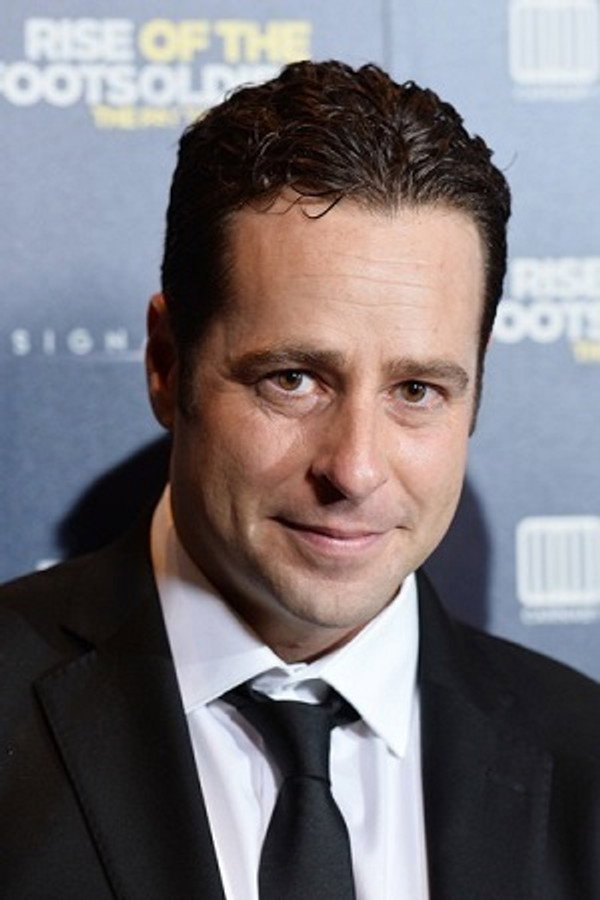
The brutal brothers from Bethnal Green are back and bloodier than ever in Fall of the Krays. Following on from the ferocious Rise Of The Krays, Fall of the Krays picks up the story of the infamous Firm as the cracks start to show in the brothers business plans and their sanity. Having secured their empire and their infamy, the brothers must now fight to keep hold of both as the obsession of one police officer becomes entwined with a burgeoning romance and a dangerous state of mind for Reggie and Ronnie respectively.
Tarantino's alternative history of the 1960's uncritically repeats the era's sexist and racist stereotypes.
'Blue Beetle' is another solid addition to the superhero film canon.
“Eleanor The Great” is a feel-good story that explores how we cope with grief and loss while educating us about the horrors of the Holocaust.
The 1950s lesbian romance is stunning, emotional, restrained, and, simply put, one of the best movies I’ve ever seen depicting a woman-loving-woman (WLW) relationship.
Most movies give you their point upfront, while others make you think it’s about a specific topic, then reveal that the story is about something else. Pink Lady belongs somewhere in the middle of those two categories.
An aspect of She-Ra that I find refreshing is even though a large portion of the cast is on the LGBTQ+ Spectrum, being gay is never mentioned. While this might initially sound like a negative thing, in the show’s land of Etheria being on the gay spectrum is shown to be so common and normalized that straight isn’t the default. As much as there is to appreciate about narratives revolving around the obstacles that may come from being non-heteronormative, it’s nice to get immersed in a world where no one bats an eye at all to any sort of differing identity.