
Weird Just Got Its Own Movie In, 'Weird: The Al Yankovic Story'
Weird has a name and it's, Weird Al. 'Weird: The Al Yankovic Story' makes you want to "Eat it" then "Beat it".
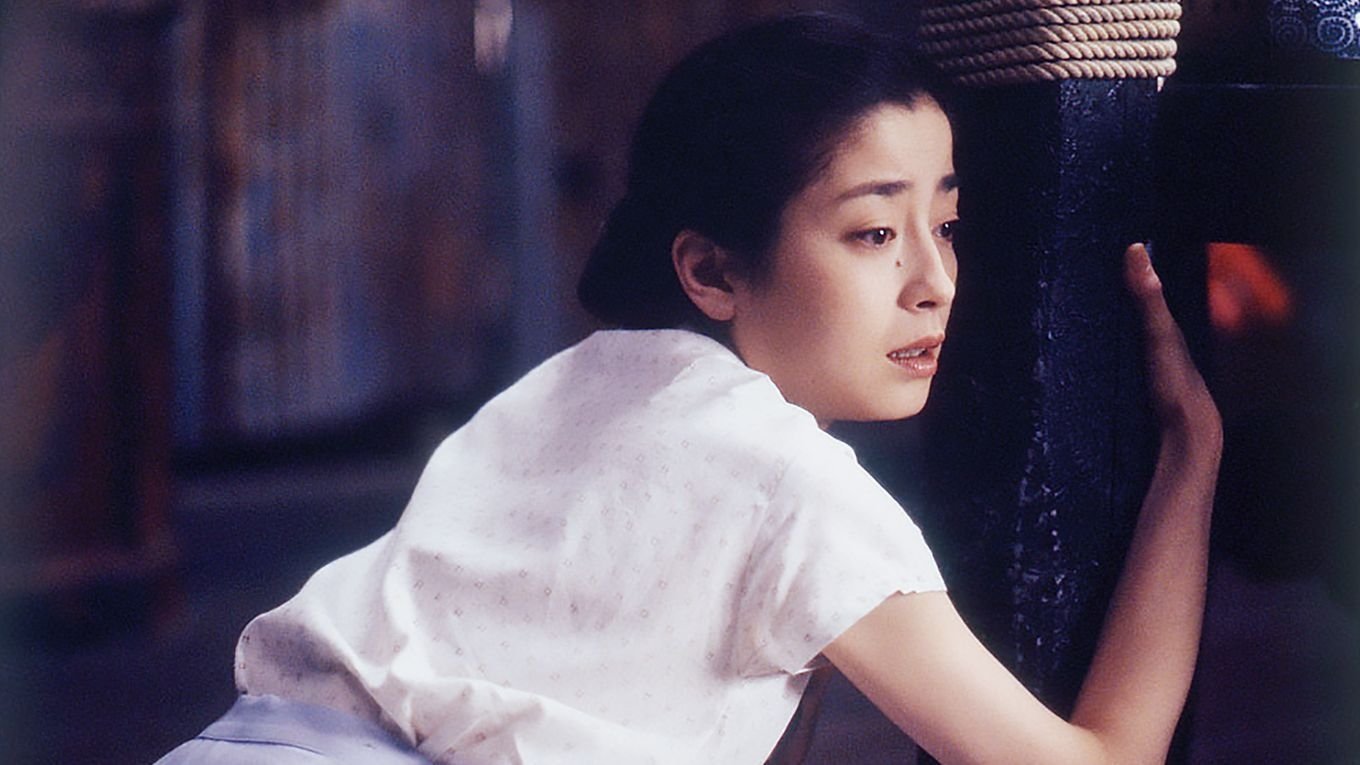



Based on a play by Hisashi Inoue, it focuses on the sufferings of the survivors of Hiroshima. The film takes place during 4 days in the summer of 1948, as the ghost of her father visits Mitsué (Rié Miyama). He had somehow learned that she has fallen in love, and tries to convince her to start her new life. But Mitsué obstinately refuses his warm and humorous encouragements : « People were killed in my place. I do not have the right to find happiness », she says.
Weird has a name and it's, Weird Al. 'Weird: The Al Yankovic Story' makes you want to "Eat it" then "Beat it".
When the world lost Chadwick Boseman on August 28, 2020, we all saw the impact of representation in film. Boseman was not only a Black superhero leading a Black cast in one of the most successful films in history; but his successes paved the way for more, long-overdue diversity in Hollywood.
Clocking in at about four hours, Stranger Things season 4 volume 2 is the length of a double feature. Despite the length and the hype, the finale still falls short of expectations thanks to poor pacing, poor character choices, and poor diverse storytelling.
An action-packed adrenaline rush with a diverse cast that delivers evocative storytelling.
Our trilogy at Seabrook High School starts with a rivalry between zombies and humans who eventually come together.