
Ang Lee's 'Hulk': Bruce Banner's Inner Demon
When science, Bruce Banner is exposed to gamma radiation from his experiment, he transforms into a gigantic green monster when he gets angry and wreaks havoc wherever he goes.
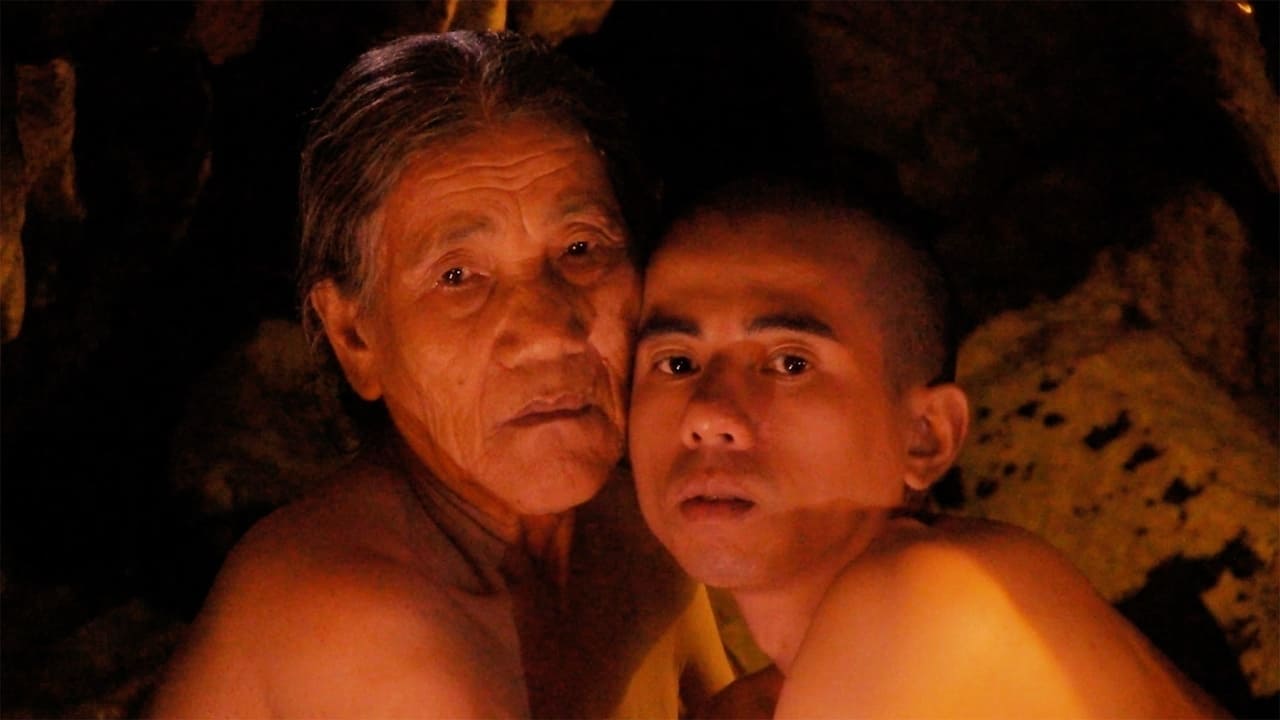
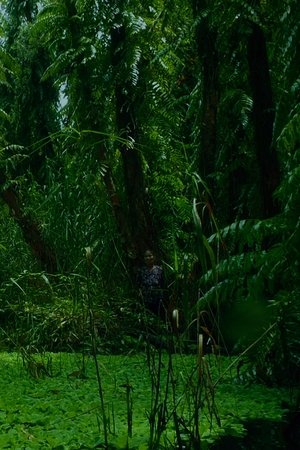


In the middle of a landscape on the brink of extinction, a couple of mom and son trek into a native cave in order to recount their lifetime memories together. This personal portrait cuts deep into the vulnerable present moments of an ex-colonized nation which is transiting into the digital age. Told in the first-person perspective camera, this film also explores a new possibility of storytelling.
When science, Bruce Banner is exposed to gamma radiation from his experiment, he transforms into a gigantic green monster when he gets angry and wreaks havoc wherever he goes.
The relationship between the characters is what makes this film stand out, and it’s just all-around fun.
'Free Guy' combines classic Disney (a white heteronormative love story), exploration of popular video games and the culture around them, and Ryan Reynolds adult humor in the best way to make a super fun family flick.
The sequel to the first film, A Second Chance: Rivals! talks about Maddy combating cyberbullying and racism.
'Run This Town' takes an unflinching look at the Rob Ford scandal that shook Toronto to its core while using fictional millennials to drive a concise story .