Samantha Mitchell’s “RSVP” Incluvie Film Fest Review
“There’s always something you can do…to make people feel like they’re welcome”
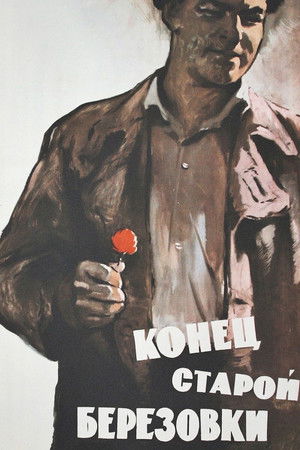


Once at Borka, a big prankster and fidget, an adult friend appeared — the builder Ivan Degtyarev. Former sailor directed Borkin's energy in the right direction and made him his assistant. Soon a disaster happened in the Borkin family. His sister Liza will soon become a mother, and the father of the unborn child did not want to marry her and avoided meeting. Ivan tried to unite the young, but his attempts were unsuccessful. Having fallen in love with Lisa, he proposed to her — and soon the young happy family moved to a new home.
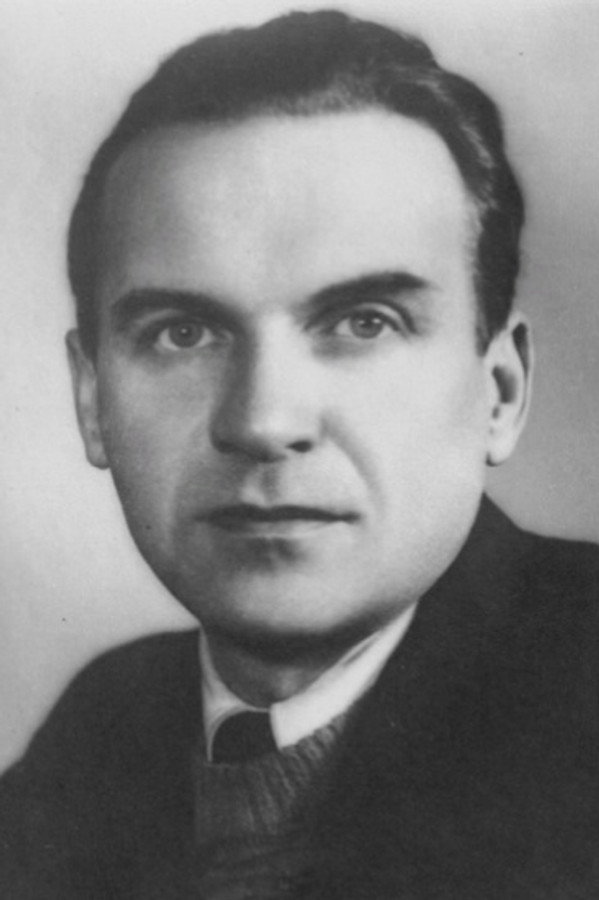
Viktor Eisymont
Director


Evgeni Burenkov
Degtyarev
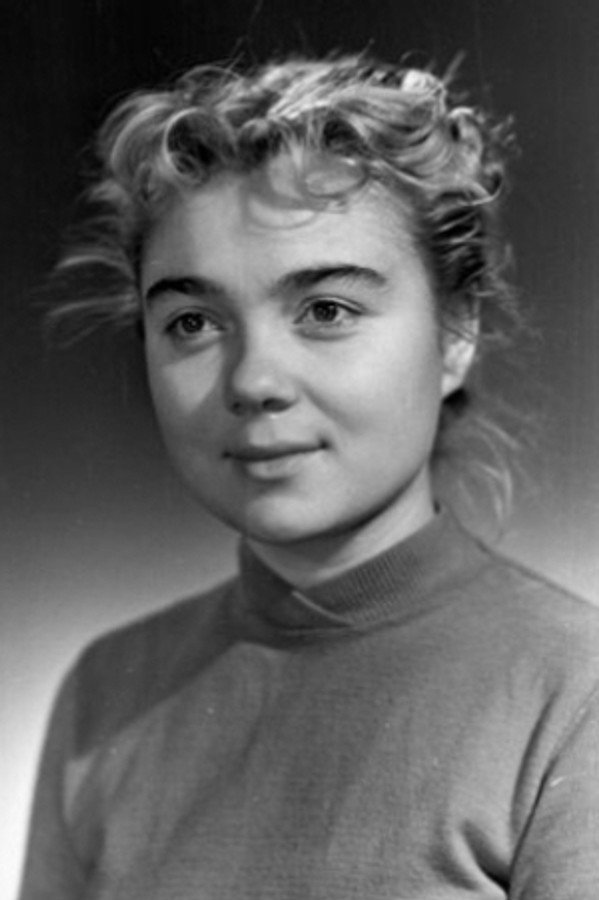
Nina Doroshina
Liza
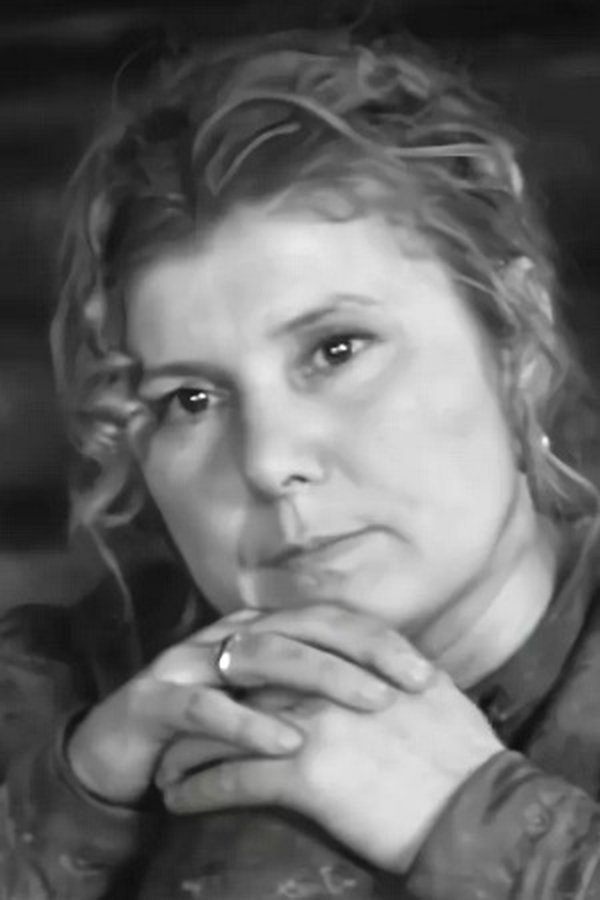
Valentina Vladimirova
Varvara Nikolaevna

Vladimir Gusev
Sakharov
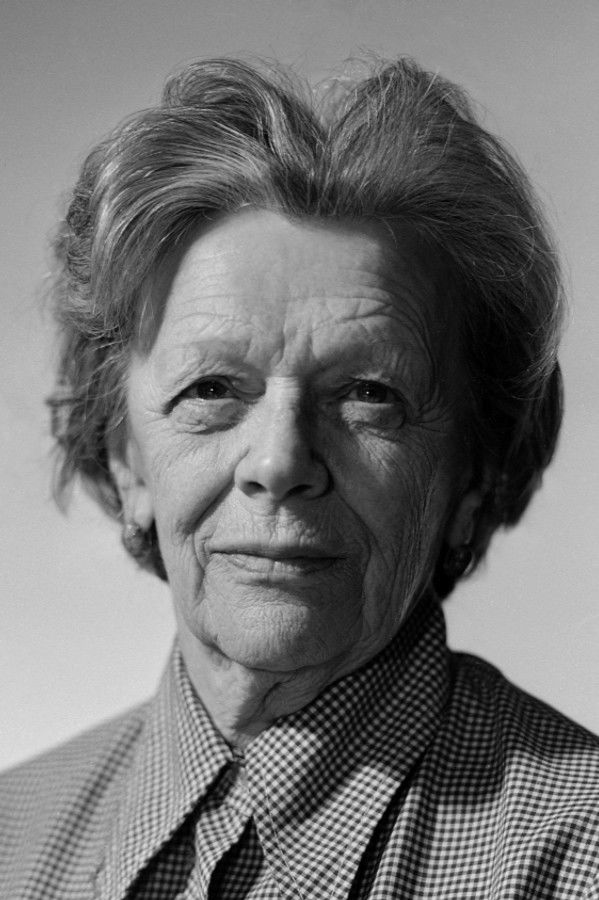
Tatyana Pelttser
teacher
Stanislav Lykhin
Borya
Alla Gutchina
Nadya

Georgiy Vitsin
geometry teacher
Aleksandr Vasilyev
Makar
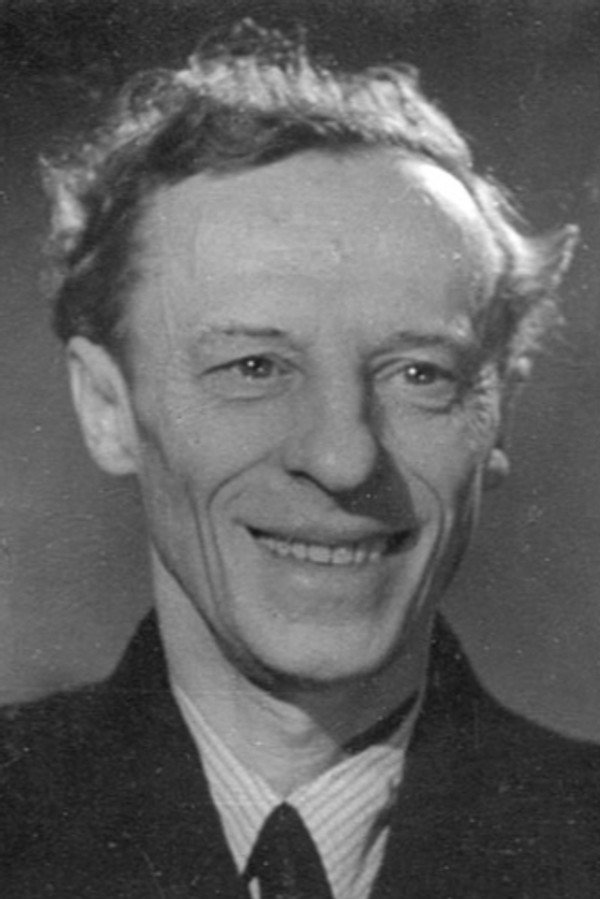
Nikolai Novlyansky
Nikolai
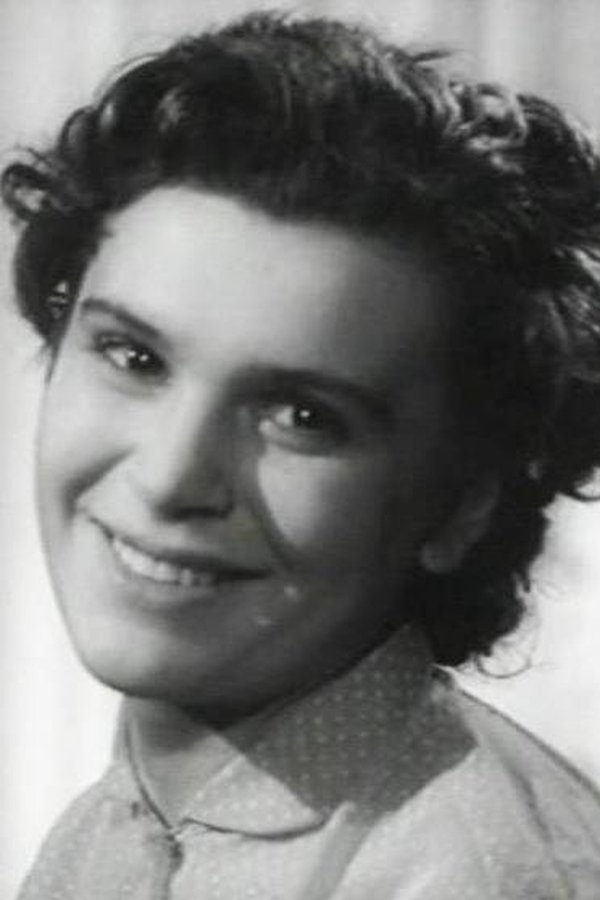
Galina Samokhina
member of the construction team
“There’s always something you can do…to make people feel like they’re welcome”
The Franke kids seemingly lived a normal life, until their mom met the infamous Jodi Hilderbrandt.
Magnolia focuses on how one’s childhood and trauma relate to their confidence and self.
Sam Levinson's latest film can't keep up with the excellence of its performances.
The short documentary and second place winner of the Incluvie Short Film Festival, Gender Outlaw: A Bodysurfing Story, challenges any simplistic understanding of trans people.
Shudder makes an incredibly atmospheric docuseries about the darker side of Hollywood mysteries.