










KPop Demon Hunters—A Battle of Heart and Soul
KPop Demon Hunters took social media by storm recently—is it truly as good as people have hyped it up to be?
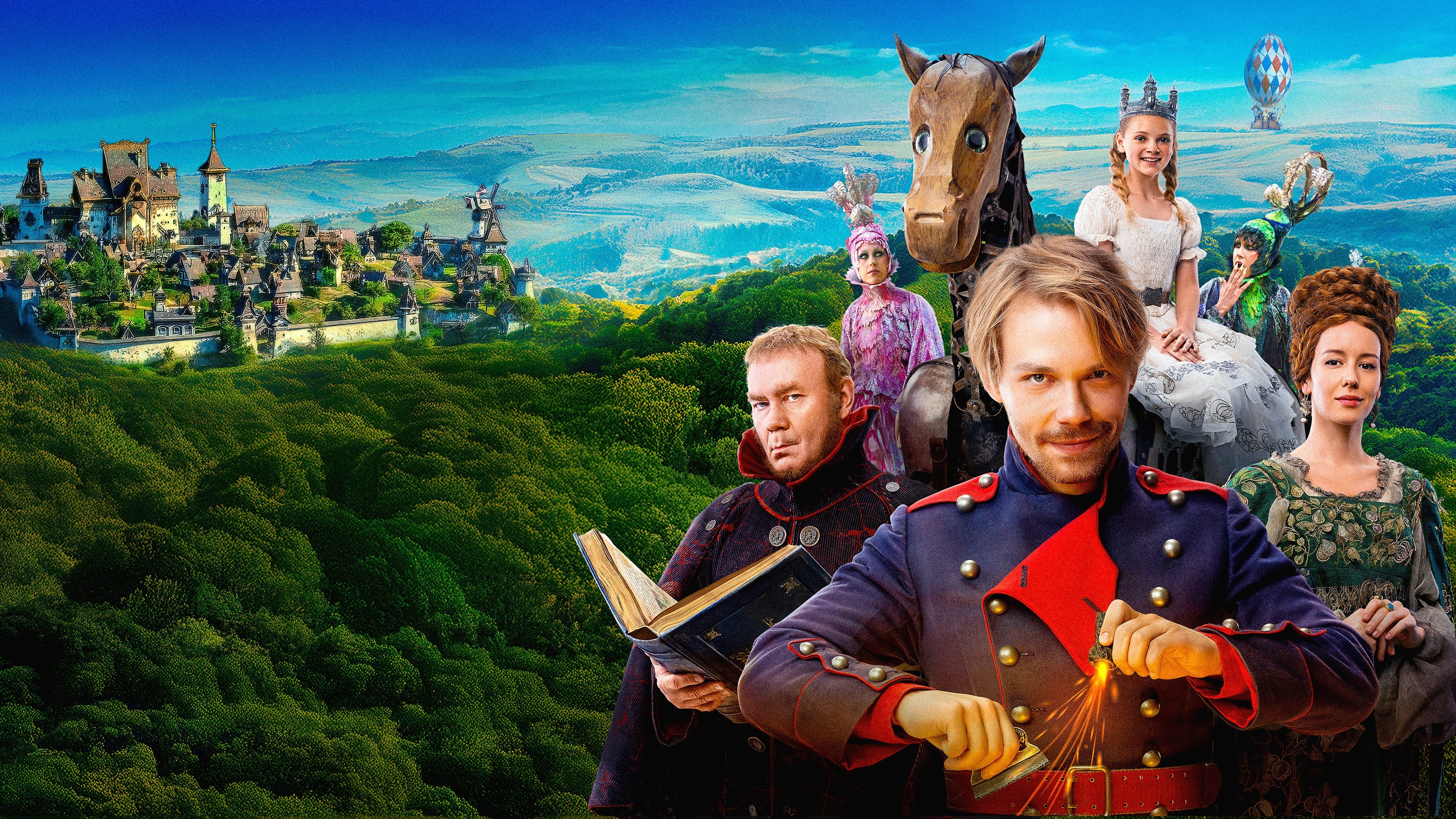
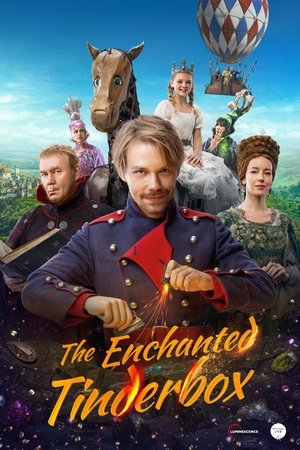


In a kingdom shrouded in darkness, the malevolent VileGuile seized power, casting a wicked enchantment over the Queen and imprisoning the blind little princess, Darya, within the Enchanted Tinderbox. Fate intervenes as the box finds its way into the hands of the carefree roisterer Johnny whose only dream was to live an easy life. Travelling with Darya, John undergoes a profound transformation. His once-selfish nature gives way to courage and generosity, evolving into a true hero. Alongside their faithful companions, the merry aeronaut Jean and the magical horse Good Pathfinder, John and Darya's journey takes them to the sombre caves of dwarf miners, where they forge the unbreakable friendship, and to the ethereal sky kingdom of magic ladybirds, leading John to understanding the boundless power of love and self-sacrifice.
KPop Demon Hunters took social media by storm recently—is it truly as good as people have hyped it up to be?
Set against the backdrop of the Jim Crow era, the film offers layered representation.
Portraying how easy it is to be an ally heavily benefits the majority audience. The more we encourage it, normalize it, and give people the tools to become one, the sooner we can co-exist peacefully.
I am an Armenian who has a mild form of epilepsy. I rarely see Armenian culture and epilepsy properly portrayed in film or TV. I delve into the how and why.
You can have the best filmmaker and cast in the world, but if the script is lacking, you’re in a troublesome state. Such is the case with Gemini Man, a film full of tremendous artists.
Prajdnik Awasthi’s film uses a mix of metaphor and more grounded details to tell the story of childhood sexual abuse that caused the narrator to close himself off from his father.