The Eagle with Two Heads (1948)
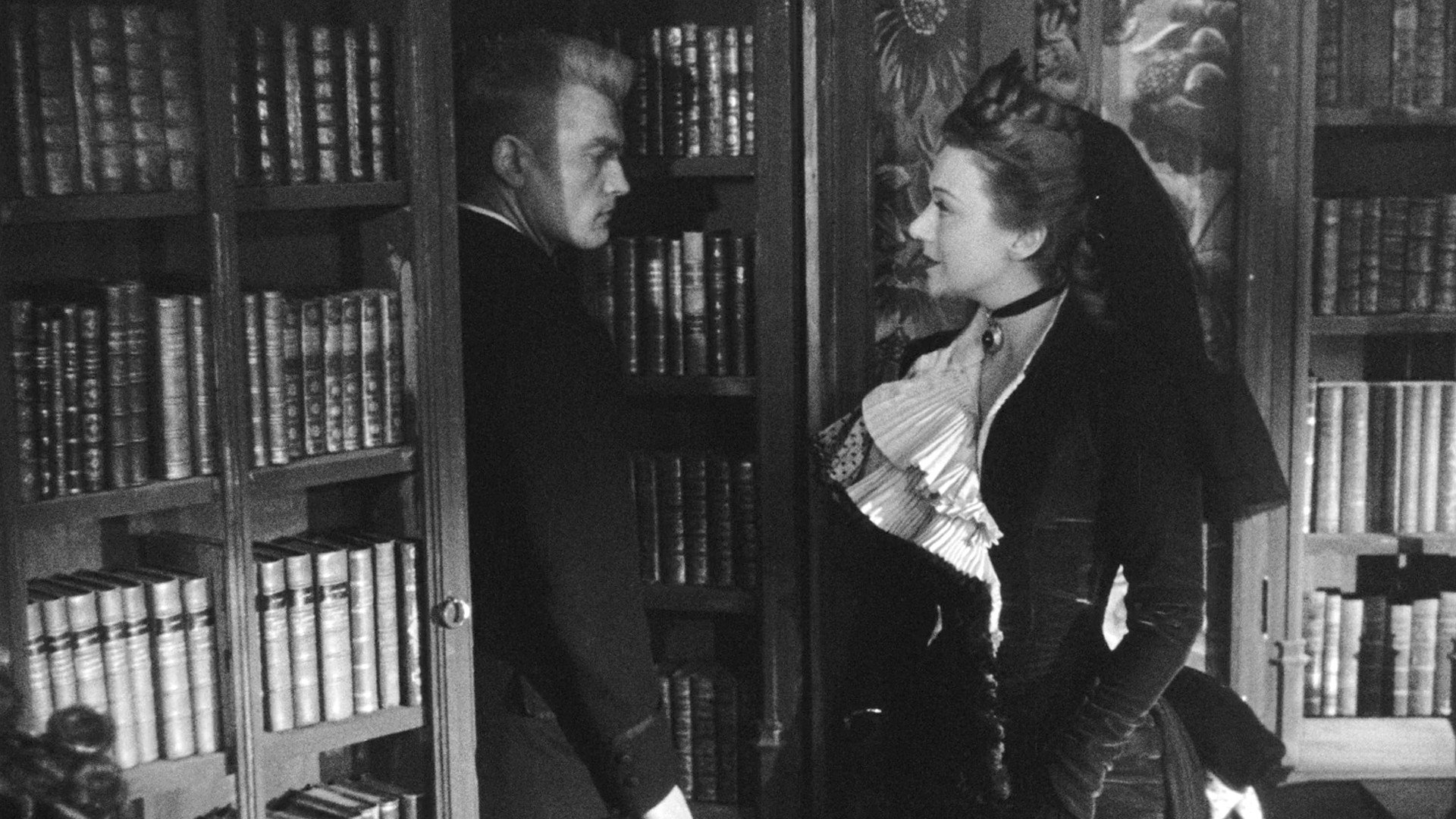
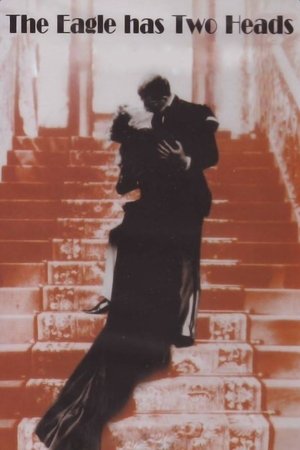
Political intrigue and psychological drama run parallel. The queen is in seclusion, veiling her face for the ten years since her husband's assassination, longing to join him in death. Stanislas, a poet whose pen name is Azrael, is a suicidal anarchist, his imagination haunted into hate by longing for this queen who's drawn apart. He enters her private quarters intent on killing her then himself, but they fall in love, in part because he looks like the king. Stanislas wants her to regain political power by appearing to the public, and she tries to convince him to find hope and escape. All the while, the queen's enemies plot to keep the lovers together but to thwart their plans.

- / 5
PopScore
Representation
Pictures and Videos

Movie Information
Political intrigue and psychological drama run parallel. The queen is in seclusion, veiling her face for the ten years since her husband's assassination, longing to join him in death. Stanislas, a poet whose pen name is Azrael, is a suicidal anarchist, his imagination haunted into hate by longing for this queen who's drawn apart. He enters her private quarters intent on killing her then himself, but they fall in love, in part because he looks like the king. Stanislas wants her to regain political power by appearing to the public, and she tries to convince him to find hope and escape. All the while, the queen's enemies plot to keep the lovers together but to thwart their plans.
Rating:
Genre:Drama, Romance
Written By:Jean Cocteau
In Theaters:12/18/1948
Box Office:
Runtime:93 minutes
Studio:La Société des Films Sirius, Les Films Ariane







Articles You May Like
Tom Clancy's 'Without Remorse': Amazon's Latest Blockbuster
Tom Clancy's Without Remorse has everything a movie director from the 80’s could wish.
Why It Makes Sense That There Are Black Actors In “The Rings of Power”
Like many things, like animals and people, they always evolve. When the first humans walked the Earth, they originated from Africa and were all black.
Daphne - The Diamond of Netflix's "Bridgerton"
Ironically a Netflix Original, 'Blockbuster' Is a Fun & Inclusive Must-Watch!
The major flaw of the series is that it’s hosted on Netflix and barely makes malicious comments about it despite being focused on the lives of people directly affected by the Capitalist mentality of the OTT corporation.
'Merry & Gay': A smart and heartfelt LGBTQ Christmas venture
The film centers around two young women, Becca and Sam, who were once high school sweethearts until they reconnect in their town.