






Mitch Downe From "Paranorman" Is Awesome Gay Representation
Gay representation is out there, but to portray a character who's gay as a big, happy brute is a rare treat.
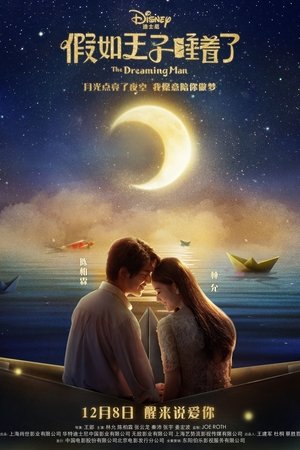


A romantic comedy following a kind young girl and the story that ignites because of a diamond ring. Wang Xiao He was orphaned since a very young age, and she has found a job in the city in order to earn money for college. She also harbors a crush on Zheng Tian Le. One day, she witnesses Tian Le being knocked unconscious by delinquents. She takes him to the hospital and gets mistaken for his fiancee because of a ring. She decides to go along with the story in order to stay by Tian Le's side, inviting the suspicions of Tian Le's brother Tian Chou.
Gay representation is out there, but to portray a character who's gay as a big, happy brute is a rare treat.
An attempt to capture nostalgia that unfortunately just doesn’t work
The film is a simple love story reminiscent of stories like The Notebook released in 2004. Sylvie and Robert are rarely actually together in the film, however; time and circumstance keep them away from each other, and the audience waits with bated breath to see them find one another over and over.
Many call 'Tragedy Girls' a modern-day 'Heathers', and I do see the resemblance. The film asks the same question that all teenagers suffer with: who am I? Well, the movie answers this — you are your online presence.
Remakes. Reboots. Reinventions. Redundancy. It's the common practice in Hollywood of late, sometimes offering us victorious reimagining of what can be considered cinematic classics while also, more often, falling flat on their UN-imaginative faces in utter defeat and lackluster results. Admittedly, with this in mind, I went into the newest incarnation of "The War of the Roses" with typical trepidation and cautious optimism.