
Gus Van Sant's Constant Thematic and Cinematic Elements
The differences in these films could not be more blatant, and yet Gus Van Sant has found a way to portray the same messages and use the same techniques in each.
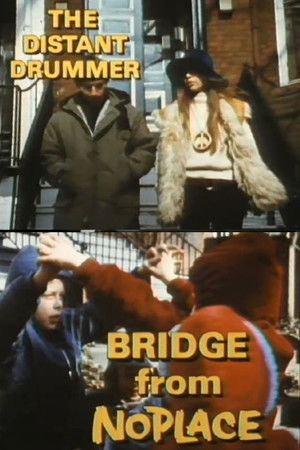


This film describes the 1960s drug culture. Addicts discuss their experiences in the United States and in Vietnam. Dr. Stanley Yolles, director of the National Institute of Mental Health (NIMH), talks about the drug culture and the NIMH role in prevention and treatment. The tape describes growth in the use of marijuana and heroin. In 1966, the Narcotic Addict Rehabilitation Act is the first law to give the addict a choice of treatment or jail. Synanon in California is a private, self-help, residential community that helps people deal with their addictions. New York's Daytop Village works not only with addicts on addictions, but on developing a new lifestyle. Methadone, though still experimental, has proved to be an effective treatment for heroin addiction.
The differences in these films could not be more blatant, and yet Gus Van Sant has found a way to portray the same messages and use the same techniques in each.
Alongside A Drowning Man, I Signed The Petition, 3 Logical Exits, and A World Not Ours, A Man Returned continues to paint a realistic portrait of the Refugee Crisis that eschews the Western gaze and stereotype. These are real portraits painted by a director with lived experience, cultural connection and an amazing eye for visuals.
In 1971, when discussions about how to integrate their school system break down, the community of Durham, North Carolina agrees to bring in Bill Riddick(Babou Ceesay) to conduct a series of summits(charrettes) to help them move forward with desegregation.
Taika Waititi writes, directs and co-stars in 'Boy', set in 1984 New Zealand. The film does just what Waititi dreamed of — it gave a great coming-of-age story to Māori people without making a story of the Māori people as an exotic other.
I was able to sit down and talk with the director of the short film Dog Lover Anne-Sophie Bine as she discussed and how she came to be in film.