


“By Any Means” and the Pitfalls of Entertainment
It is up to the community to decide if this film is a force for enlightenment or not.
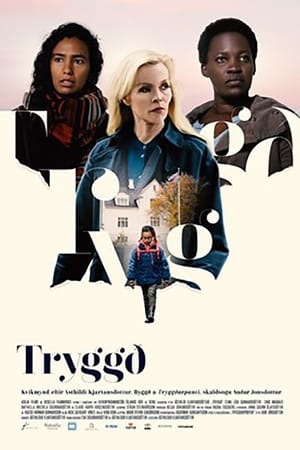


Gisella dreams about writing important things, genuine things, and quits her job at the newspaper after yet another article is insensitively edited. She contacts a recently started alternative paper, where she is given the proposition of writing an article about the living situation among immigrants. Through her research she meets Marisol, Abeba and her daughter Lucinda, who live in a barrack by the harbor. To help solve their financial troubles, she invites them to live in her large house that she inherited from her grandmother. At first everything works well, but soon the mutual respect between the three women turns into a power struggle and hospitality is replaced with rules and a system of punishments.
It is up to the community to decide if this film is a force for enlightenment or not.
When diverse representation is featured on-screen, it oftentimes comes with strings attached that undermine the message they were trying to send. This can be attributed to the fact that behind-the-screen, the industry primarily does not reflect the breadth of diverse difference that is present in daily life. That’s why when something as powerful and authentic as Minari comes along, it is both incredibly wonderful and needs a large audience to witness it.
The social issues The Half of it takes on are handled well, between the antagonization brought on to Ellie for her race and the conflict that arises from her being gay. Both aspects of her character are built up over the course of the film and don’t seem abrupt or rushed. The film shows racism towards Ellie and her and father in varying levels, from having her schoolmates specifically address her as "Chinese girl” to the fore mentioned way her Dad is treated due to language barriers. The same can be said about Ellie being a lesbian. While she never truly “comes out” in the narrative, that does not undermine her journey of self-discovery from being meaningful. These ideas aren’t thrust upon the viewer in a preachy manor, the scenarios that occur feel believable given the rural setting. The film presents watchers with problems whom those like Ellie may face, and leaves us to sit with them and reflect.
Overall, 18 Presents feels more like a soap opera than a drama, and I feel bad for saying that since the concept is based off a tragic story (even though it’s loosely). I’m sure other people will find this film emotional for them, but as for me, it’s bland and forgettable.
The film is trying to revive DC's former glory, it really is, it just doesn't have everything it needs to get there. Luckily, Black Adam isn't as bad as many internet haters want you to think it is.
Making Apes begins by looking back at the history of makeup effects in Hollywood, which was revolutionized by Jack Pierce, the person behind Frankenstein (1931) and The Wolf Man (1941)