
Twin Peaks: Why LGBTQ Ally Depiction is Crucial
Portraying how easy it is to be an ally heavily benefits the majority audience. The more we encourage it, normalize it, and give people the tools to become one, the sooner we can co-exist peacefully.
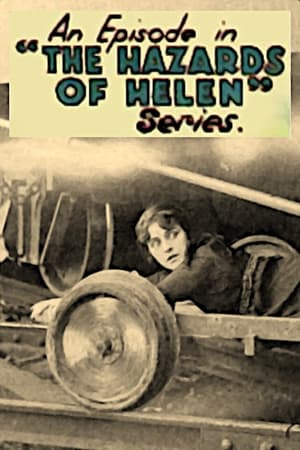


Helen, the telegraph operator at the Lone Point Station, shields Miguel, a greaser, under suspicion of having stolen some horses, until the real thieves are caught.
Portraying how easy it is to be an ally heavily benefits the majority audience. The more we encourage it, normalize it, and give people the tools to become one, the sooner we can co-exist peacefully.
An attempt to capture nostalgia that unfortunately just doesn’t work
We’ve always known that Edgar Wright is a mixologist when it comes to blending sound, light, colour, and texture. This is especially true in the first act of the film. In fact, all of my positive feedback is directed exclusively at the first act of this film.
These openly gay Hollywood figures risked so much by being honest about their sexuality: judgment, loss of employment, hate – even violence and death.
Typically in film, characters suffering from mental illness are used as plot devices or exaggerated for comedy. 'The House that Jack Built's representation exceeds in accuracy and realism of OCD.
The power to function. As people, we are richly blessed to have the wide ranging scope of what we can accomplish…physically and mentally…that aid in everything we desire to strive for and, ideally, accomplish. However, what if someone was experiencing daily life with these elements….only in a more muted manner?