



Why "People We Meet On Vacation" Did Not Meet Its Full Potential
Emily Henry’s adaptation reaches romance movie standards, but not romance reader standards.
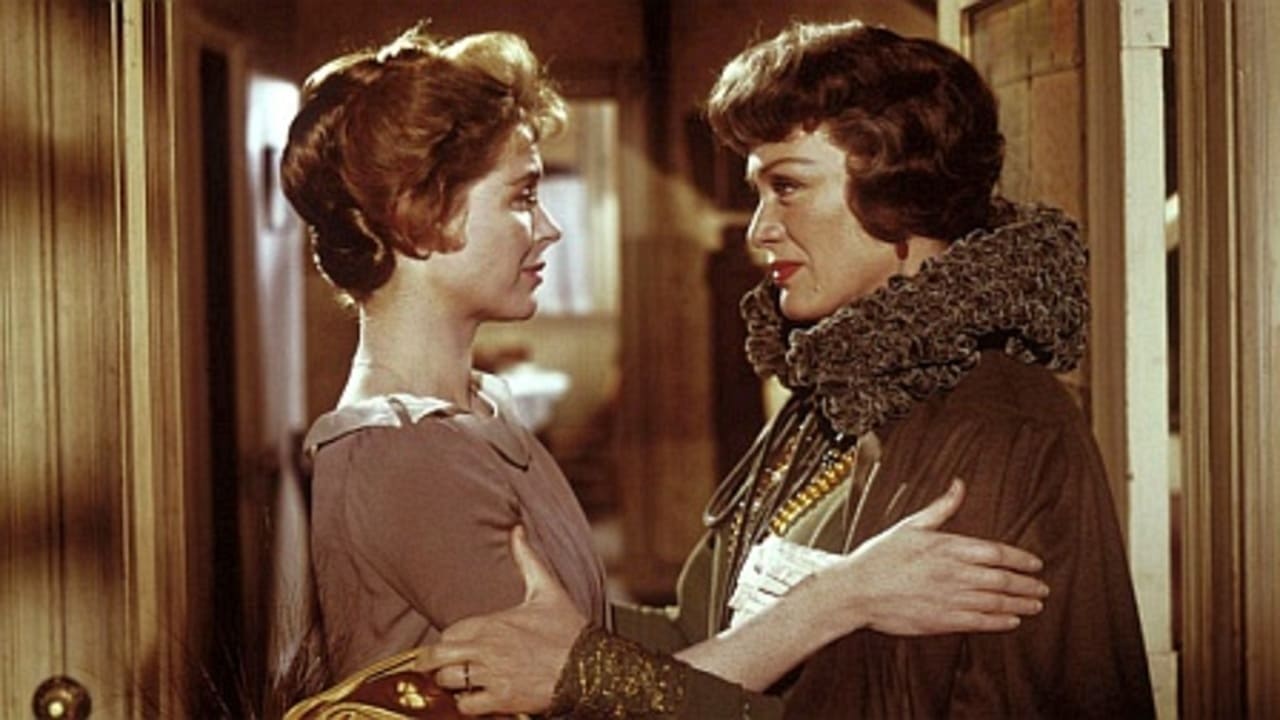
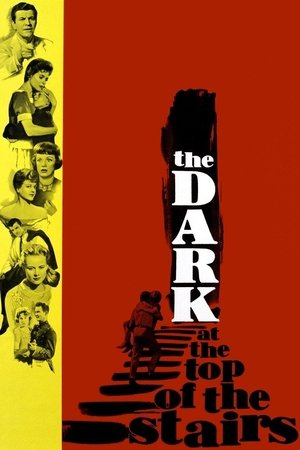


In Oklahoma in the 1920s, Rubin Flood loses his job as a traveling salesman when the company goes bankrupt. This adds to his worries at home. His wife Cora is frigid because of trying to make ends meet. His teenage daughter Reenie is afraid of going out on dates, but eventually makes friends with a troubled Jewish boy Sammy Golden, and his son is a mama's boy. He finally storms out of the house when Cora falsely accuses him of having an affair with Mavis Pruitt.
Emily Henry’s adaptation reaches romance movie standards, but not romance reader standards.
Netflix’s Shadow and Bone has a complicated relationship with race. It has a diverse cast, but not without its problems. Based on Leigh Bardugo’s two book series, the show features characters from the Shadow and Bone trilogy, which is very straight and white, and the Six of Crows duology, which is much more diverse. When bringing together a cast and writing about these characters, the team behind the show expanded upon some of the representation missing from the first trilogy, then seemed to take away representation from the duology. Shadow and Bone seems to play a bit of a push and pull game when it comes to portraying diversity onscreen.
Villeneuve’s Dune is a masterpiece for its crafting process, but references to David Lynch's picture are sometimes too obvious.
When science, Bruce Banner is exposed to gamma radiation from his experiment, he transforms into a gigantic green monster when he gets angry and wreaks havoc wherever he goes.
With 'The Last Movie Stars,' filmmaker and fanboy Ethan Hawke cracks the facade of Hollywood's last golden couple, but reveals a couple who were committed to each other before all else.
As one of the women said in the film, friendship in your teens is “as important as any lover” and it’s clear they lived that philosophy throughout their early adult lives as well.