


Writing Great Villains: Why They Shouldn't Be Sympathetic
Writing great villains is about striking a balance between charming and evil, so we love them but also love to see them lose.
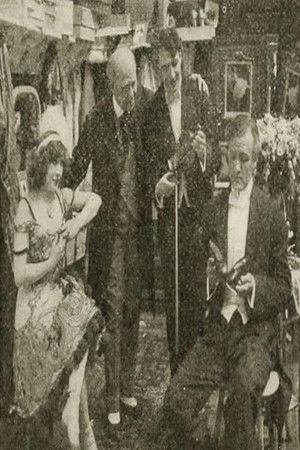


The secretary of the young king of Bavarre sees and is impressed with a little girl. He watches her dancing in the street. When her father dies, the secretary takes the little dancer under his care and in time she becomes the premiere danseuse of the capital. The young king sees her and becomes infatuated. To win her, he showers attention and riches and in turn she pleads for the poor of the nation. The king grants her request, thereby incurring the enmity of the nobility, who lay all the blame for his acts at the little dancer's door.
Writing great villains is about striking a balance between charming and evil, so we love them but also love to see them lose.
This article discusses the classic and timeless franchise, The Smurfs.
Tom Clancy's Without Remorse has everything a movie director from the 80’s could wish.
These confines won’t really encourage you to read the film as a metaphor for the nerve-inducing experience we’ve all been through over the last year, however — and in the interest of maintaining your dignity, you probably shouldn’t. While the sociopolitical commentary may have worked for the similarly-themed Buried (2010), in which we find Ryan Reynolds on his own buried alive in the Middle East, but this futuristic take on the premise is best left as a piece of distracting entertainment. Nevertheless, the atmosphere is no less suffocating, literally and dramatically.
As a musical fan, I enjoyed the film and encourage anyone who likes dark humour and a bit of blood to give it a watch.
If you were to watch it on streaming when you have nothing to do, it’s still probably a giant waste of time, but you could do far worse. Paying $18 for a movie ticket and who knows how much for concessions turns this from an exercise in boredom to an exercise in frustration.