


Monster (2023): When the Truth Is Not in the Telling but in the Seeing
Not every silence is empty. Some are filled with things too heavy for words.
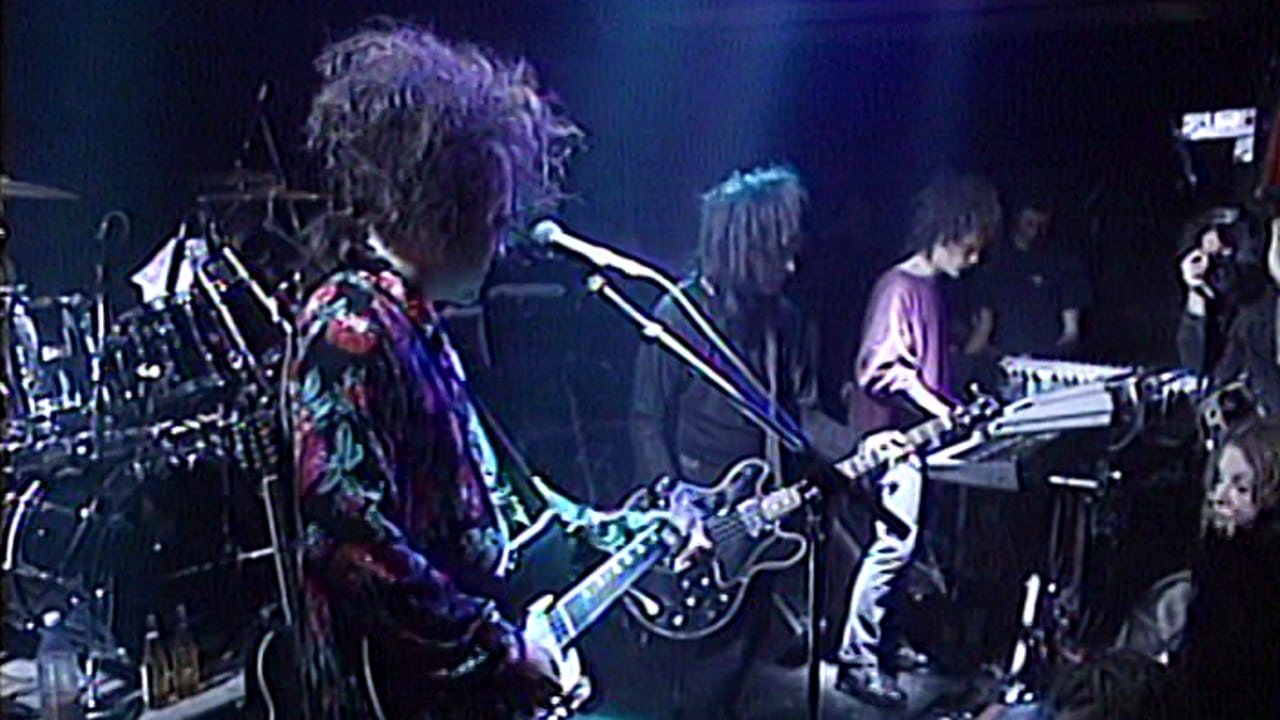
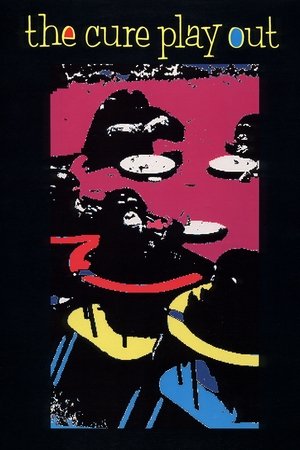


The two-hour film collects various live and rehearsal performances by The Cure from early 1991, including some of the band’s “MTV Unplugged” appearance and pre-release airings of a few cuts that would make Wish cuts and one very notable track that wouldn’t: “The Big Hand,” a fan favourite that would inexplicably wind up a B-side.
Not every silence is empty. Some are filled with things too heavy for words.
Netflix’s new comedy drama, Don’t Say Good Luck, is a heartwarming tearjerker as well as a love letter to the transformative power of being a theater kid. Directed by Julia Hart, Don’t Say Good Luck follows Sophie (Sunny Sandler), a theater kid who finally gets the lead role in her school’s production of Waitress - just as she finds out her mom Elizabeth (Melanie Lynskey) is dying of cancer. While the singing is by no means spectacular and Sandler’s acting is stiff, the film is grounded in the moving performance of Lynskey as a mother who wants nothing more than for her daughter to achieve her dreams, even if she can’t be there to see them.
'Wolf Like Me' works if you want a show to shut off your brain while watching. If you think too much, you'll hurt yourself.
When you don’t factor in the plethora of inferior sequels that have been produced, Luca is one of Pixar’s simplest and most unassuming films in years — and there is absolutely nothing wrong with that. The film thrives on being a visual feast with a warm message for all ages, so much so that its unoriginal storyline doesn’t feel that big of a problem.
April, a professional dancer, reluctantly trains a group of girls at a dance school for the dance competition.