
Secret Mall Apartment
If you remember the days of the 24 hour Overnight Challenge on YouTube, Secret Mall Apartment will tickle your nostalgia receptors.
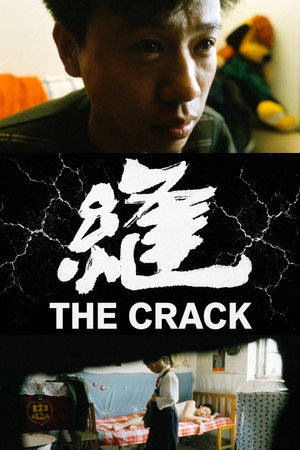


A low-budget independent film made on 35mm, that was screened only four times in a small circle in China since its completion in 2000. This semi-autobiographical film, set in the Cultural Revolution, provides the missing link between the roots-seeking and scar literature and art of the 1980s and the performance art of the 1990s and 2000s. It grounds many of the embodied extremes of China’s famous performance art in the persistent psychosexual fetishes and neuroses produced by the extreme denial of individual desire under “mass line” socialism (Chinese Independent Film Archive).
If you remember the days of the 24 hour Overnight Challenge on YouTube, Secret Mall Apartment will tickle your nostalgia receptors.
Overall, The Shining is a great film to watch for its atmosphere and setting. While the characters’ portrayals could’ve been more accurate to the book, they’re all still memorable nonetheless.
The tragedy of Macbeth got Oscar nominations for Best Actor, Production design & cinematography. The Tragedy of Macbeth - Oscar film offers an etheric and atmospheric take on the reins cast on one of Shakespeare's most iconic poems.
Although Fargo is not actually based on a true story, I do believe it is worth the watch. It has drama, suspense, and a mysterious figure to keep you engaged.
‘Oppenheimer’ is a force to be reckoned with. A biopic that respects the audience’s intelligence.
Fire Island is Hulu's most recent romantic comedy and the latest spin on the Jane Austen classic, Pride and Prejudice.