

Poverty In Black And White
Poor Black characters are usually surrounded by crime and violence, while poor White characters are portrayed as noble and hard-working.
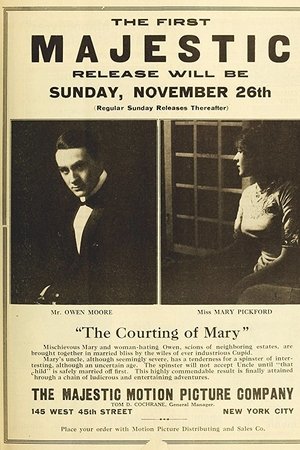


Mary the tomboy, and Owen, the sportsman, have an equal aversion to the opposite sex. Meeting at the trout stream one day, Owen orders Mary off his side of the stream, where she has comfortably ensconced herself. But alas! Cupid has not lost his opportunity and the die is cast. Mary's uncle, although seemingly severe, has a tenderness for an interesting spinster of uncertain age and plans to get Mary married off at the behest of the spinster lady.
Poor Black characters are usually surrounded by crime and violence, while poor White characters are portrayed as noble and hard-working.
The 1950s lesbian romance is stunning, emotional, restrained, and, simply put, one of the best movies I’ve ever seen depicting a woman-loving-woman (WLW) relationship.
A refreshing twist is that all the kids’ powers are…kind of useless. There’s a kid who can only move in slow motion, a kid who has every power in the world but can only use them randomly, and our main character Missy who has no powers at all. The thesis of the film seems to be that it doesn’t matter what kind of powers you have, its the way you use them, which is good for the warm and fuzzies.
This side-splitting workplace comedy features a diverse cast and tackles challenging social issues. Other sitcoms should take note.
“Candyman ain't a 'he.’ Candyman is the whole damn hive." Candyman represents all Black victims of white supremacy, and this art form narratively conveys it in a succinct, adulatory way, the history of which is rare to find.
'Motherless Brooklyn' is a 1950s whodunit made by its star, Edward Norton. Like most detective films in this setting, the cast is mostly white males (with a few notable exceptions).