




Kicking off the Summer with 'Malibu Rescue'
A trouble-making teenager spends the summer working at a Southern California beach learning about responsibility.




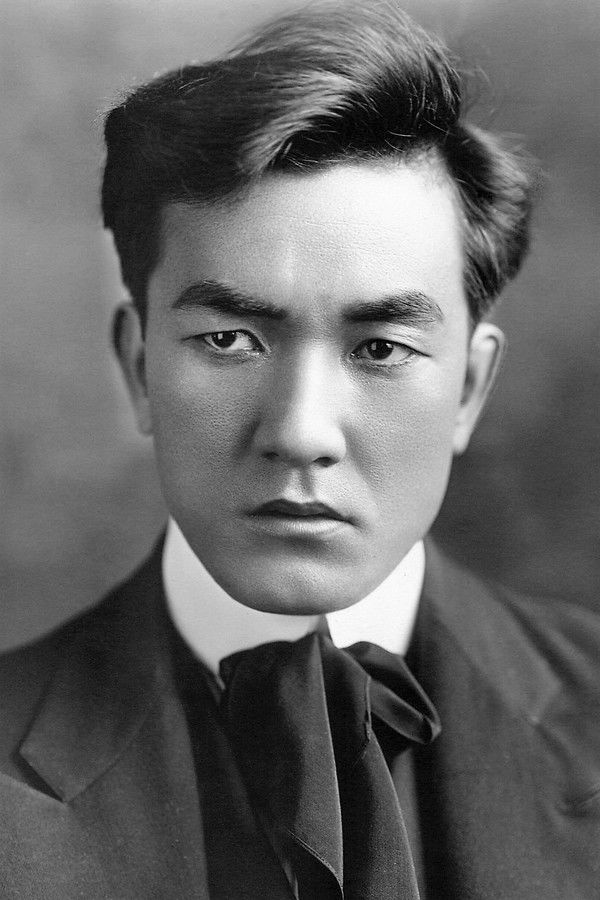
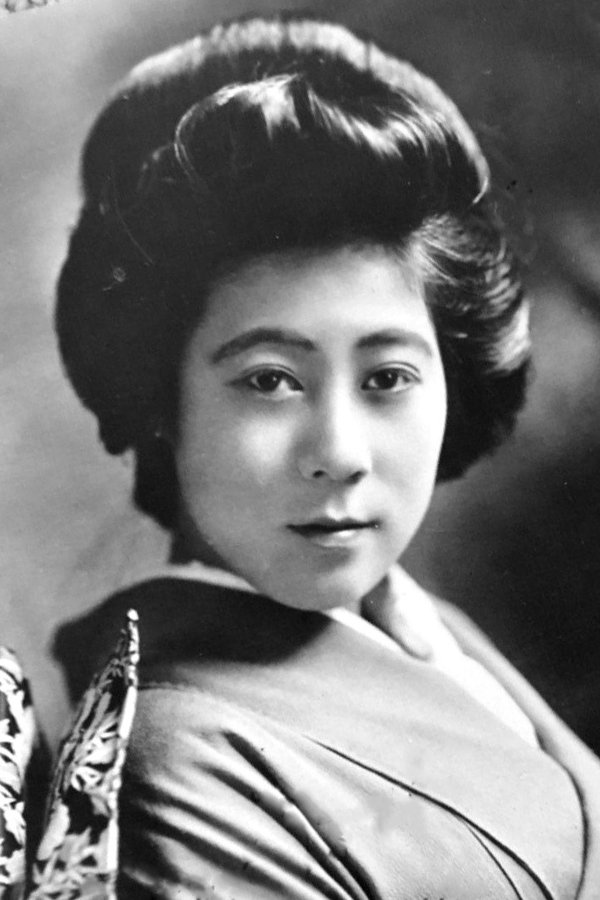
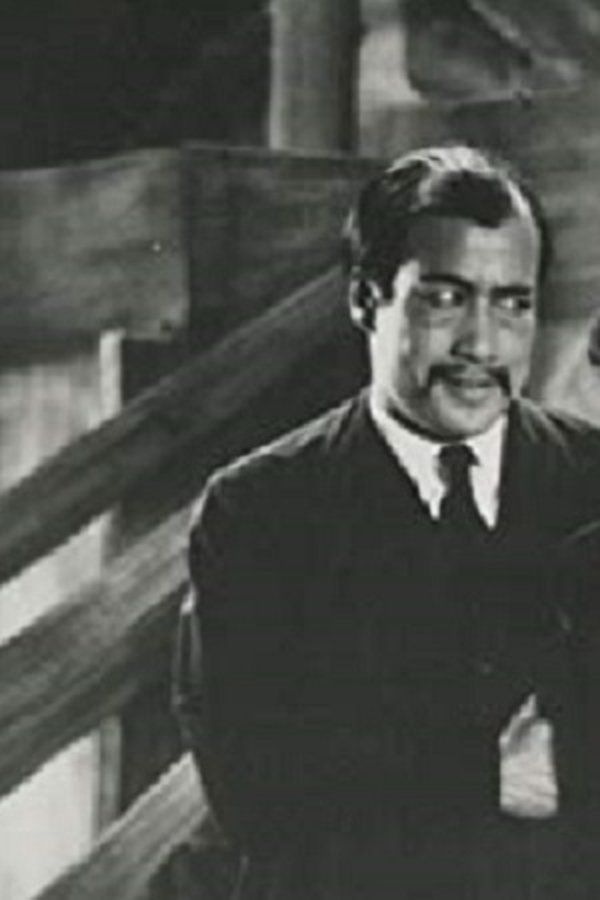
Sessue Hayakawa was making the transition from Asian villain to sympathetic hero in this picture. The plot is a combination of racial stereotypes that were common in the U.S. during the silent era and real-life situations experienced by Asians living Stateside. Hayakawa plays Suki Iota, a student who, while born and bred in America, wants a wife with traditional Japanese values. She appears in the form of Rei (Tsuru Aoki, Hayakawa's real-life wife), a singer who becomes known as the Japanese Nightingale.
A trouble-making teenager spends the summer working at a Southern California beach learning about responsibility.
Step deep into the 21st century and discover the complexities of artificial combat soldiers.
The Legendary Clades - a family of explorers - find themselves in a strange new world with fantastic creatures awaiting them. Perhaps their greatest challenge will be healing the ties that bond.
This film was filled with great plot points. Unfortunately, they all contradicted each other and clashed. Had the premise of Awake been more consistent and accurately portrayed the real world aspect, I think this could have been an extreme success.
Incluvie's best movies with female leads. Check out this article which presents top 30 Female Protagonists in Film. The characters that made the cut are in essence - girls that kick butt, challenge stereotypes/gender norms.