

Twin Peaks: Why LGBTQ Ally Depiction is Crucial
Portraying how easy it is to be an ally heavily benefits the majority audience. The more we encourage it, normalize it, and give people the tools to become one, the sooner we can co-exist peacefully.
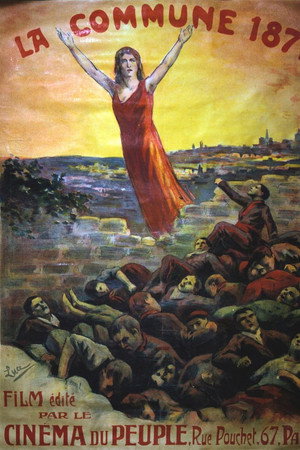


"La Commune" ( The Commune ) (1914) is a good example of Herr Guerra's peculiarities. It was produced by "Cinéma Du Peuple" ( People's Cinema ), a film cooperative supported by workers, and depicts the beginnings of the Commune of Paris, that working class uprising that briefly ruled and caused a mess during two months in the city of Paris in the year of 1871.
Portraying how easy it is to be an ally heavily benefits the majority audience. The more we encourage it, normalize it, and give people the tools to become one, the sooner we can co-exist peacefully.
Neo Sora left a realistic and yet hopeful notion for the near future and the now.
At first glance, one wouldn't think John Carpenter's cult classic would be a thematic double-billing - or that Free Guy would be worthy of being mentioned in the same sentence as They Live - but the two films of vastly different genres have more similarities upon further examination.
John Fawcett’s "Ginger Snaps" intertwines the lore of the werewolf to the hellish experience of a young girl going through puberty.
In 'Little Boxes," an interracial family moves to an all-white town where they face the judgement of others who have never been exposed to people of color before.
Poor Black characters are usually surrounded by crime and violence, while poor White characters are portrayed as noble and hard-working.