Incluvie – Better diversity in movies.
Identity in film with Incluvie stamps, scores, reviews.

Incluvie – Better diversity in movies.
Explore identity in film with Incluvie stamps, scores, reviews, and insights.

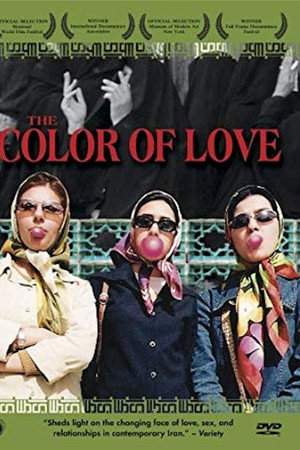
The Color Of Love poster

The Color Of Love (2004)

One week each year Iranians stay out all night. Women abandon legal curfews. Men weep. Communities gather to mourn their saint's death, ask that wishes be granted, give thanks for prayers answered. While this week showcases Iran's most restrictive religious elements, it offers openings for this culture's most intimate connections. Is a change in the perception of love inherently political because it affects individuals and their view of the world? As we follow three couples negotiating love, we learn freedom is not what we assume it is and love is more than we imagine it to be.
- / 5
PopScore
Representation

Pictures and Videos


Incluvie Gala

Movie Information


One week each year Iranians stay out all night. Women abandon legal curfews. Men weep. Communities gather to mourn their saint's death, ask that wishes be granted, give thanks for prayers answered. While this week showcases Iran's most restrictive religious elements, it offers openings for this culture's most intimate connections. Is a change in the perception of love inherently political because it affects individuals and their view of the world? As we follow three couples negotiating love, we learn freedom is not what we assume it is and love is more than we imagine it to be.

Rating:
Genre:Documentary
Directed By:Maryam Keshavarz
Written By:Maryam Keshavarz
In Theaters:1/1/2004
Box Office:

Runtime:69 minutes
Studio:

Articles You May Like


Who Needs 'Independence Day' When You've Got 'Sorry to Bother You'?

Sorry to Bother You ultimately speaks to the unfair advantages that the country’s power structures award to those with the resources to control others, as Lift’s easy access to the media allows his opinion to be the only one that matters in the eyes of the unsuspecting and easily impressed public. Moreover, it reveals the extent to which the American Dream has any true validity. It postulates how the promise of success and fulfillment as promoted by the American Dream more often than not leads to the undoing of the individual. Interestingly, in its revealing of the American Dream as merely a facade, Sorry to Bother You wisely questions whether or not anything can really be done to undo a system that has been accepted and in action for centuries.

Matt Geiger