


Reflecting on 'The United States vs. Billie Holiday'
Lee Daniels’s Billie Holiday biopic The United States vs. Billie Holiday was released on February 26th, 2021, and my immediate reaction to it was one of discomfort.
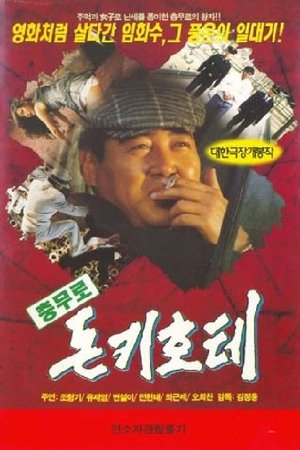


Mass starvation and social disorder is the norm in the wake of the Korean War. Hwa-su works as a gofer at a local theater but dreams of owning one day a theater of his own. As an adult, Hwa-su becomes a protege of powerful businessman Sohn Jong-rok and marries his niece thus becoming an heir to Sohn's business. He takes over the Je-il Theater and re-names it Peace Theater. Achieving his childhood dream is the just the beginning for Hwa-su. He ventures into the world of filmmaking. Meanwhile, crime lord Lee Jeong-jae takes Yu Ji-gwang under his wings and partners with Gwak Young-ju to build his own political clout. But when his ardent supporter Lee Gi-boong loses the vice presidential race, Jeong-jae becomes nervous. Hwa-su, now a man with immense wealth and underworld power approaches Jeong-jae and Ji-gwang to form an uneasy alliance and enter the world of rigged elections and corrupt politics.
Lee Daniels’s Billie Holiday biopic The United States vs. Billie Holiday was released on February 26th, 2021, and my immediate reaction to it was one of discomfort.
Throughout Brendan Fraser’s career, he has played a plethora of unique, layered characters who explore the importance of not being afraid to display your emotions, something that is often seen to not be a masculine trait. This idea of regulating emotion and what traits men are able to possess creates a toxic atmosphere for men who are often told they should not cry or represent their emotions in any physical way. These characters represent that men can be joyful, emotionally conscious, and sensitive, while also representing their masculine identity instead of painting those qualities as fighting against their masculinity.
We can criticize depictions from old media, but they weren’t simply “good for their time”. They were fighting and struggling in a world we can’t imagine.
Ricky Staub’s Concrete Cowboy, based on Greg Neri’s novel "Ghetto Cowboy", tells the story of a young teenager forced to adapt to a new lifestyle.
The iconic title character stars in her own horror and gothic TV series.