


Love, Regret, and Art: Pandemic Lessons from Station Eleven and The Real World
The three themes of lessons learned from HBO Max's Station Eleven are the same as the pandemic: love, regret, and art.

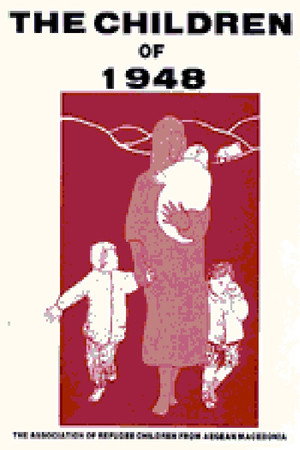
In the spring of 1948, after the Second World War, a tragedy of large proportions took place in the southern part of the Balkans. As a result of the Civil War in Greece, over 28,000 children between age of 2 and 14, with tears in their eyes, were separated from their parents and siblings and transferred to various East European countries, to be saved from the consequences of the war. Growing up in group homes and camps across Eastern Europe, far away from their families, they carried with them the burden of the memories to all those events. With the assistance of Red Cross they searched for their lost ones over the years. The film portrays the testimonials from some of these 28,000 children refugees who were evacuated from their homes in northern Greece between 1948 and 1949 during the Greek Civil War.
The three themes of lessons learned from HBO Max's Station Eleven are the same as the pandemic: love, regret, and art.
A consumed-by-rage woman travels from universe to universe to avenge the death of her daughter by brutally killing her murderer over and over again. And that's all that she does.
What makes the lighting in Casablanca even more impressive is how it reflects the emotional states of the characters without needing explicit dialogue.
The film reminds us to remember the people who had the courage and dignity that had made the world better, even when the memory was absent.
A teen comedy that nobody wants to see.