








‘Fast Color’: A Strikingly Different Take on the Superhero Film - Movie Review
Set in a future dystopian United States in which water is running out, Julia Hart’s Fast Color (2018) is a refreshingly different take on the superhero film.
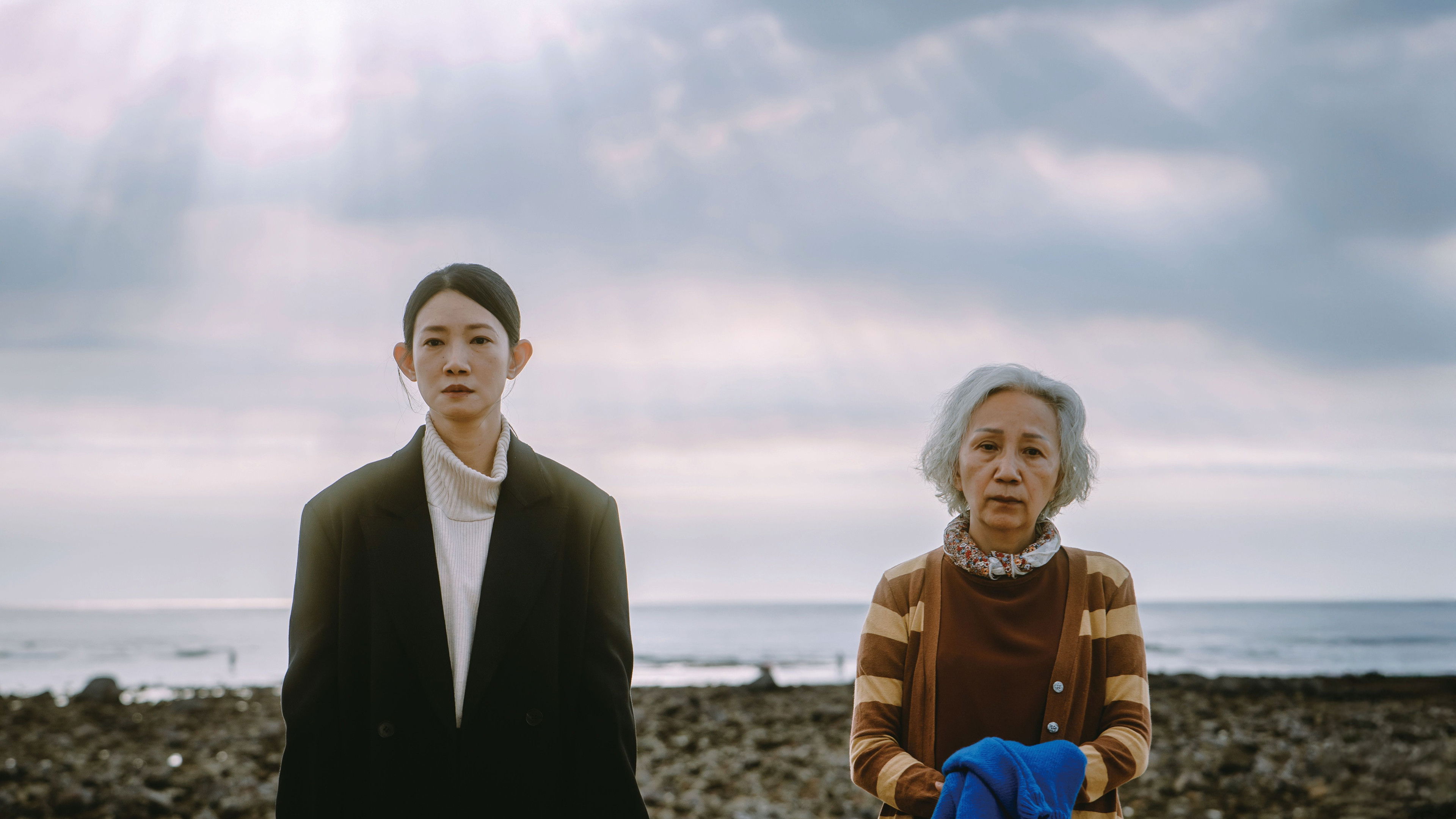
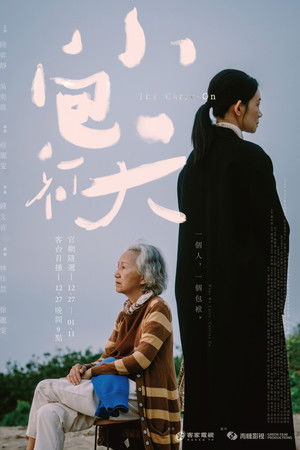


What haunts us is not only death, but aging. Pei-Hua is drawn like a blurred sketch—gray, undefined, embodying the quiet experience of a woman growing older.Mothers often remain fixed in place, becoming a point of reference for their daughters’ journeys. Each of us carries a “carry-on”—unfinished burdens or lessons meant to be faced in this life. When we finally leave, do these carry-ons remain? In the film, a fire becomes a ritual of release, a way of saying goodbye. Life is rarely pure joy or sorrow, and The Carry-On is no exception.
Set in a future dystopian United States in which water is running out, Julia Hart’s Fast Color (2018) is a refreshingly different take on the superhero film.
The French-born director Laure de Clermont-Tonnerre’s strategic choice to entrust the interpretation of a conventional, feminine character to a non-binary actor pays off: Corrin’s Lady Chatterley is awkward, edgy, and uninhibited at the same time.
The relationship between the characters is what makes this film stand out, and it’s just all-around fun.
Another uneven "Guess Who's Coming to Dinner" redux that says nothing novel about its subject matter.
This 2016 winner of an Ophir Award for Best Film focuses on the forbidden romance of a young, Bedouin woman and the ramifications it has for her family, her identity, and her culture.