The Cannonball Run (1981)
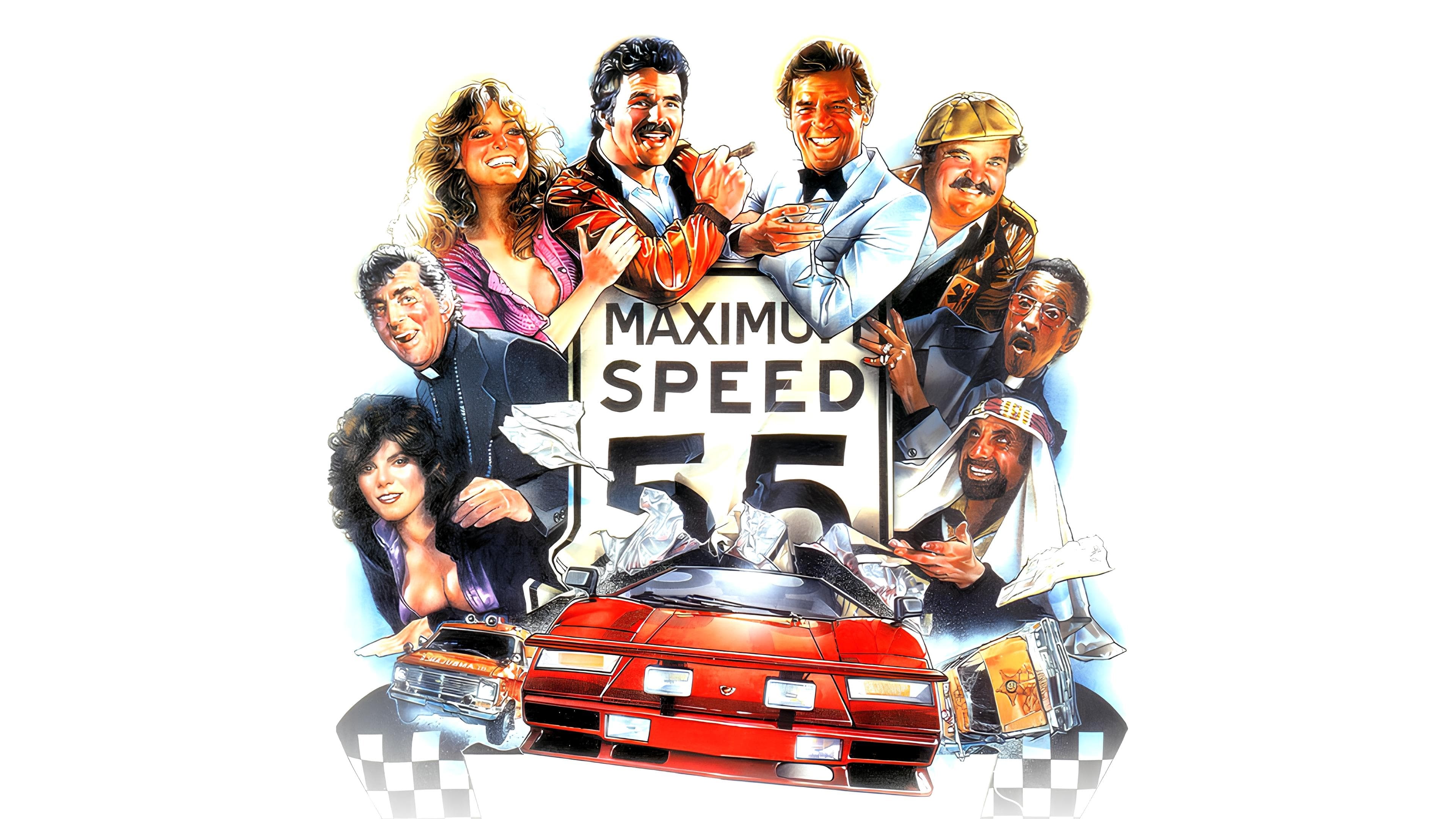
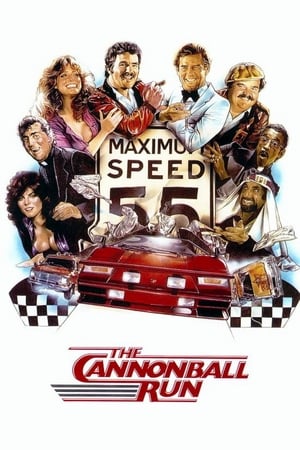
A cross-country road race is based on an actual event, the Cannonball Baker Sea to Shining Sea Memorial Trophy Dash, organized by Brock Yates to protest the 55 mph speed limit then in effect in the U.S. The Cannonball was named for Erwin G. "Cannonball" Baker, who in the roaring 20's rode his motorcycle across the country. Many of the characters are based on ruses developed by real Cannonball racers over the several years that the event was run.

- / 5
PopScore
Representation
Pictures and Videos

Movie Information
A cross-country road race is based on an actual event, the Cannonball Baker Sea to Shining Sea Memorial Trophy Dash, organized by Brock Yates to protest the 55 mph speed limit then in effect in the U.S. The Cannonball was named for Erwin G. "Cannonball" Baker, who in the roaring 20's rode his motorcycle across the country. Many of the characters are based on ruses developed by real Cannonball racers over the several years that the event was run.
Rating:PG
Genre:Action, Comedy, Family
Written By:Brock Yates
In Theaters:6/19/1981
Box Office:$72,179,579
Runtime:95 minutes
Studio:Orange Sky Golden Harvest, Albert S. Ruddy Productions





Articles You May Like
Free Guy's Marxist Parallels To John Carpenter's They Live
At first glance, one wouldn't think John Carpenter's cult classic would be a thematic double-billing - or that Free Guy would be worthy of being mentioned in the same sentence as They Live - but the two films of vastly different genres have more similarities upon further examination.
Lilo & Stitch (2025) — A Live‑Action Gem with Heart
A lonely little Hawaiian girl and her mischievous blue alien friend form a bond that heals both of their hearts, as well as ours. This live action version adds emotional nuances—notably in the sisters’ dynamic—while preserving the charm of the original.
How To Train Your Dragon: An Endearing Story of Fortitude, Forgiveness, and Friendship
An unlikely friendship changes the hearts of men, and helps a young boy come into his own.
On a Fun, but Bumpy, Road with Onward
While the film didn’t hit me as emotionally as I wanted it to, I still enjoyed it. I simply wish there was a little more, particularly with the world building.
The Rise of a Kindhearted Comedy Hero: The Anti-Toxic Masculinity Message of Brendan Fraser Films
Throughout Brendan Fraser’s career, he has played a plethora of unique, layered characters who explore the importance of not being afraid to display your emotions, something that is often seen to not be a masculine trait. This idea of regulating emotion and what traits men are able to possess creates a toxic atmosphere for men who are often told they should not cry or represent their emotions in any physical way. These characters represent that men can be joyful, emotionally conscious, and sensitive, while also representing their masculine identity instead of painting those qualities as fighting against their masculinity.