






The precarious representations in One Battle After Another
A bumpy journey about revolution and family makes us feel fear, disgust, humor, and satisfaction.
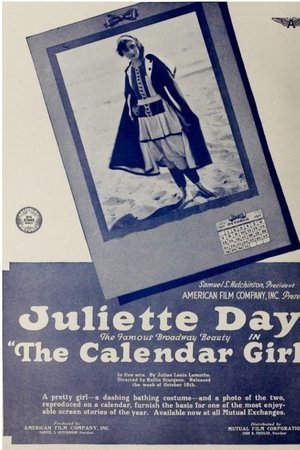


Mildred Manning, known as Middy, is an apprentice in Madame Lizette's fashionable shop. Her beauty is discovered by Madame's brother, George Martin, and she is made a model. One afternoon, she tries on a rejected bathing suit and by adding a touch here and there, makes it into a beautiful creation. Madame then sends her to the beach to carry out a clever advertising scheme. At the shore, Middy is pursued by a reporter and photographer, who have been commissioned by Madame to photograph the girl for calendar advertising. In her flight from the publicity men, Mildred takes refuge in a car owned by lawyer Philip Gordon, who gets into the vehicle and drives off with Middy. Middy has him drop her off where she doesn't live, and he ends up having to try to track her down.
A bumpy journey about revolution and family makes us feel fear, disgust, humor, and satisfaction.
"The Platform" is horror and science fiction film doubling as a visual commentary on capitalism and economic inequality. The movie is not for the faint of heart nor the viewer hoping for political neutrality in their film's depth.
In the film adaptation, director Jon M. Chu turns each musical number into a massive show stopper, with grand set pieces and a wealth of diverse dancers. Yet, in this attempt to show reverence for the people of the Washington Heights barrio, Chu, or maybe more specifically those in charge of casting, left out a crucial part of the community, Afro-Latinos.
Based on the bestselling memoir, viewers get a glimpse of the challenges of autistic people.
Viewers get a glimpse of life of mediocrity in a world where humans and cartoon characters live together in this comeback.
An excellent exploration of taking a joke too far.