





“Uncle Frank”: Acceptance and Queer Representation
Growing up with a lot of siblings, young Beth felt ignored her immediate family. Uncle Frank made her feel seen, heard, and accepted.
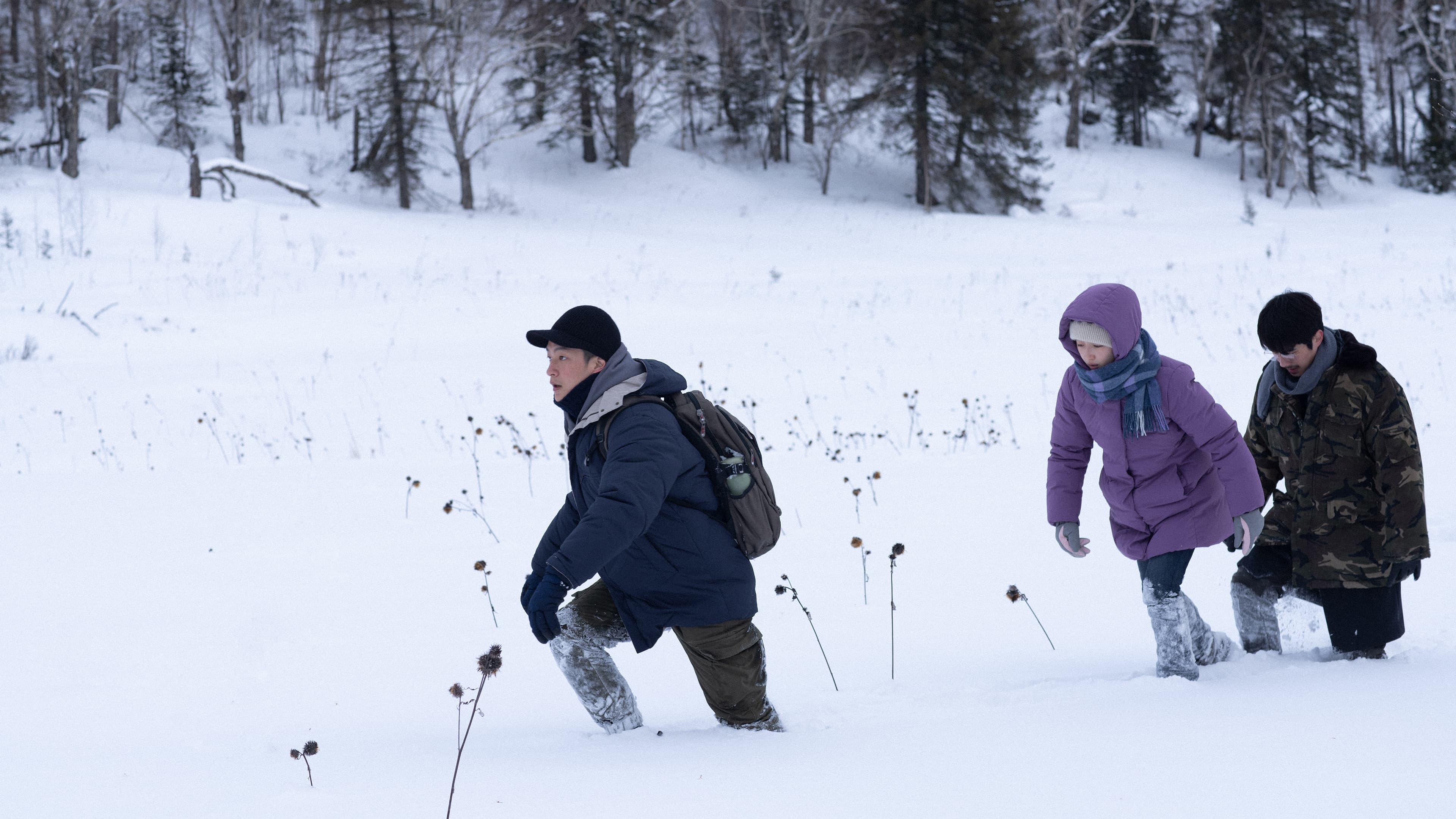



In cold wintry Yanji, a city on China's northern border, young urbanite Haofeng, visiting from Shanghai, feels lost and adrift. By chance, he goes on a tour led by Nana, a charming tour guide who instantly fascinates him. She introduces him to Xiao, a personable but frustrated restaurant worker. The three bond quickly over a drunken weekend. Confronting their individual traumas, their frozen desires slowly thaw as they seek to liberate themselves from an icy world.
Growing up with a lot of siblings, young Beth felt ignored her immediate family. Uncle Frank made her feel seen, heard, and accepted.
Intergenerational friendships and community can be so powerful, and this was a great example.
This incarnation of Animal Farm is filled with the generic plot points, immature humor, cardboard characters and visual flaws that you have come to know from today’s lesser children’s films.
Although Christmas is a time of year for love and cheer for all, holiday cinema has not always represented diverse communities. Being a holiday with Christian origins, much of its media consists of straight white families or straight white romances. Luckily, modern years have been bringing with them plenty of POC and LGBTQ+ representation that the holidays so desperately need.
I like discovering something new among the old and Tubi has an assortment of horror films from cinema's past for just such an occasion.
Michael Shanks’ Together is a queasy, hilarious, and surprisingly heartfelt body-horror trip that fuses love and terror in the most literal sense. Starring real-life couple Dave Franco and Alison Brie, this midnight gem twists Plato’s soulmate myth into a gory, darkly funny tale of codependency, cults, and chainsaws — equal parts romance and nightmare.