
Star Wars Episode VIII: The Last Jedi. The Best Post-Disney Star Wars Film
I love The Last Jedi. I don’t think there has been a Star Wars movie in quite some time that brought something new, something fresh to the table.
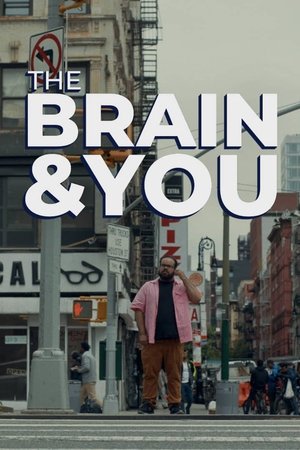


An oblivious New Yorker goes for a leisurely stroll through downtown, completely immersed in his podcast.
I love The Last Jedi. I don’t think there has been a Star Wars movie in quite some time that brought something new, something fresh to the table.
Earth and Blood is slow, but it still has it’s entertaining moments. If you’re into thrillers, or want to watch something new, then this film might be for you. As for me, Earth and Blood was tolerable enough.
It’s hard to capture the emotions and thoughts of a character just from a few shots, but Oscar-nominee composer Micachu's haunting melodies prove otherwise in 'Jackie'.
Housefull 5 attempts something bold with two endings — but does the gamble pay off? Read this spoiler-filled review for a breakdown of both versions, standout moments, and why it might be the franchise’s most forgettable entry yet.
Wild Child tells the story of a wealthy, spoiled teenage girl named Poppy Moore who lives in Malibu, California, who attends a boarding school in England. This film shows us how Poppy is first labeled as a fish out of water compared to her boarding school classmates, as she is a wild child, but eventually earns her roommates' friendships and respect.