
What We Do in the Shadows (of Our Closet Walls)
There’s enough evidence to insinuate that What We Do in the Shadows is intentionally queer-coded.
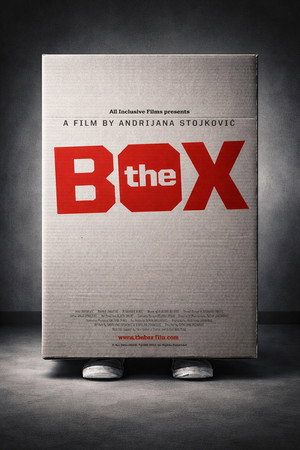


A grenade fired from a nearby hill kills the parents of a ten year old boy during the siege of Sarajevo in 1992. The Boy looses his ability to speak. A lady neighbor adopts and takes care of him. The Boy is thrown out from his destroyed apartment and begins to prowl around the city with a schoolmate. Too early and too soon, he goes through the process of growing up. He learns the meanings of such words as force, death, sex. He learns how to achieve. He learns about the values. He learns what matters the most. The Lady neighbor that takes care of him tries to shelter him and protect him. Unsuccessfully. The Boy rides to fall. Death and suffering become more frequent, and more severe. When the Lady neighbor's teenage son is killed by a sniper as a collateral damage, she then rejects the Boy. The Boy escapes the siege, and shoots from a cannon at the city.Fifteen years later, the Boy - now twenty five - and the Lady neighbor meet again. They are united in pain and suffering.
There’s enough evidence to insinuate that What We Do in the Shadows is intentionally queer-coded.
Crazy World gives fans of Wakaliwood movies what they want by playing up the comedy and action just like their movies before.
While not everyone may relate to the circumstances Danielle finds herself in in 'Shiva Baby', some are sure to understand her struggles as she is scrutinized for being a woman, a college student, an LGBT person, and a sugar baby.
Of the 28 total films I watched, just six of them were queer or featured queer characters in some way.
SPOILERS AHEAD. Sweet Sweetback's Baadasssss Song distinguished itself from Hollywood films of its time by introducing New Wave cinema storytelling methods into Black cinema.
Izzy and Prince Thomas learn that taking control of their own destiny requires following their hearts and making their own decisions.