


“Bury Your Gays” Trope in TV and How “Wynonna Earp” Defies it
I think that the happiness and survival of "Wynonna Earp"’s LGBTQ+ characters is incredibly refreshing in contrast to the prevalence of queer suffering and death in other television.

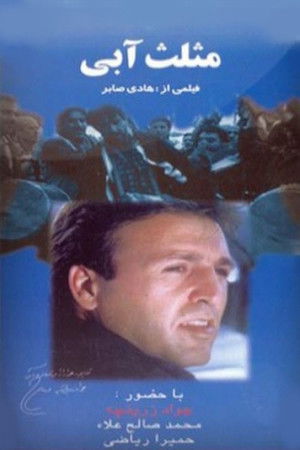
Mohammad, a boy who sells newspapers and has a great passion for football, goes to watch football matches with a young man named Moslem, a street vendor, despite his father's strong objections. One day, Mohammad accidentally finds out that Hossein, the leader of the fans of his favorite soccer team, is in need of money to pay his overdue rent. Mohammad tries to help him in place of Moslem, who is a close friend of Hossein, but he doesn't have enough money. Then he encounters Javad Zarincheh, who gives him the money needed for Hossein. When Mohammad's father learns about his son's selflessness, he tries to rescue Moslem, who has recently been imprisoned.
I think that the happiness and survival of "Wynonna Earp"’s LGBTQ+ characters is incredibly refreshing in contrast to the prevalence of queer suffering and death in other television.
We are constantly being pushed to move on from mishaps and negative feelings. What happens if we're not ready to do so?
The relationship between the characters is what makes this film stand out, and it’s just all-around fun.
Written and directed by Rian Johnson (Looper, Star Wars Episode VIII: The Last Jedi), Knives Out was one of the most clever and intricately crafted films of 2019.
Richard speaks with Dia Frampton about some of her experiences with acting and music.
Outer Banks (2020-) knows its audience: young adults in a country that can’t stop romanticizing good ole’ treasure hunts. Add a little of Riverdale’s (2017-) sex appeal, and no one can look away. Forty years after The Goonies (1985) America’s consciousness hasn’t strayed from the same tropes: treasure hunts, a vulnerable white male lead, and the whitewashing of a racially segregated setting.