
Magic in the 'Moon Knight'
It’s a cool looking Marvel character right off the page! He’s got these glowing eyes and he just kicks ass everywhere he goes, seemingly impervious to pain.
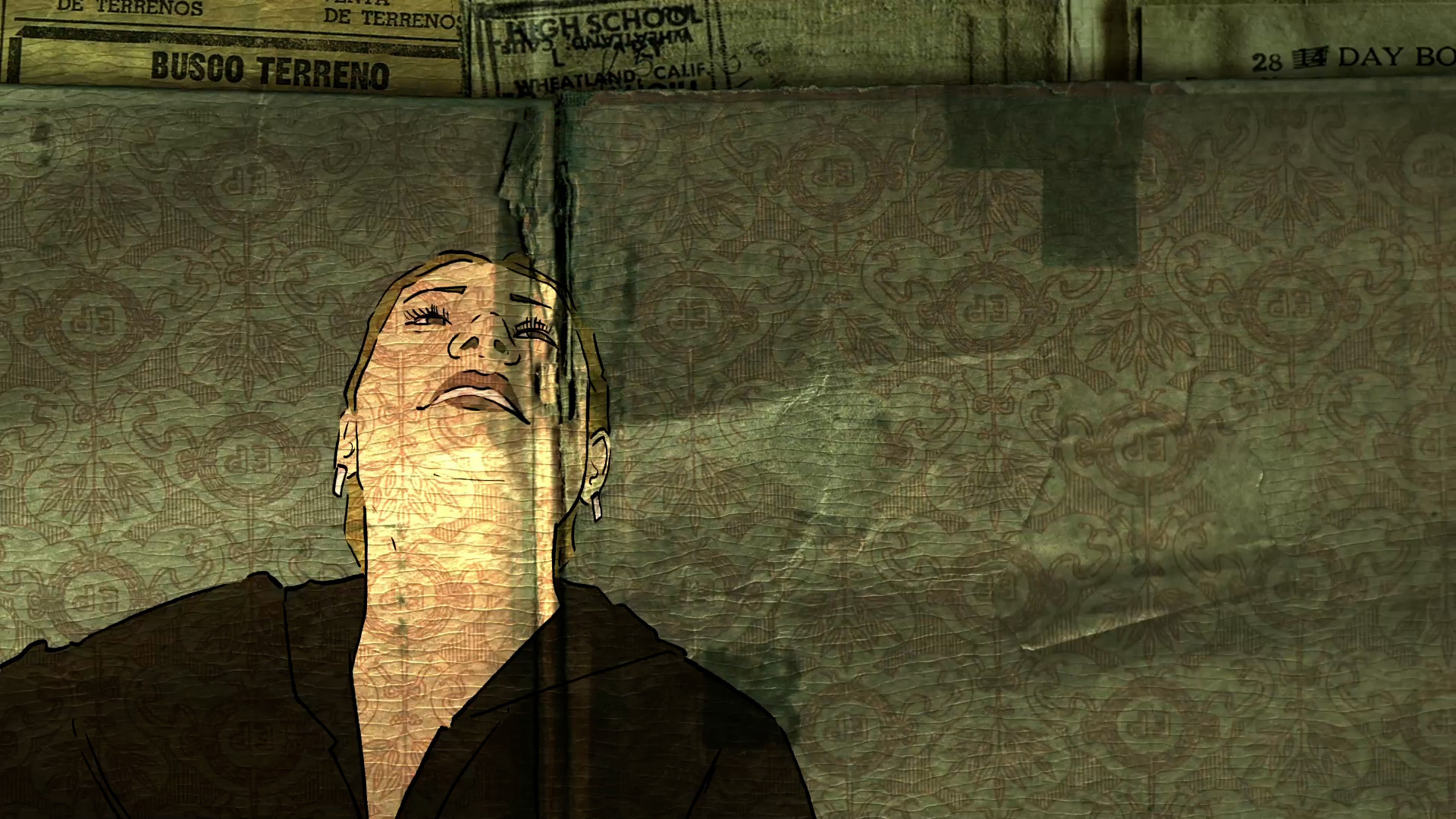
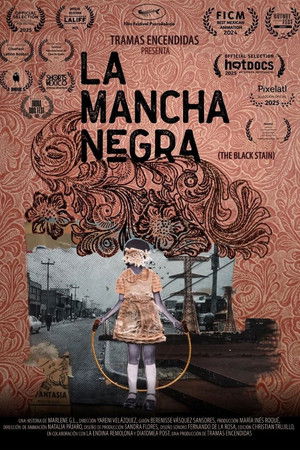


Marlene's journey is one of rediscovery. Once she saw darkness as the truest reflection of her soul—a place of comfort and identity. But life's trials reshaped her understanding, transforming that darkness into a wellspring of resilience, insight, and unexpected strength.
It’s a cool looking Marvel character right off the page! He’s got these glowing eyes and he just kicks ass everywhere he goes, seemingly impervious to pain.
Wolverine carries Deadpool - literally and figuratively
A Homosexual Cowboy is Still a Cowboy - At the center of 'Power of the Dog' is an intense bond between a cowboy and his young protege. Read more about Gay cowboys here!
The Vietnamese perspective is not only completely ignored in 'The Greatest Beer Run Ever', but it is blatantly whitewashed and disrespected.
Leveraging the cockiness of many of his interview subjects, Theroux created an exposing documentary that shows just how scary these sections of the internet can be.
The story is a moving sentiment of letting go of the past and putting trust and faith into others. Though you come into this world alone, surrounding yourself with others that support you and want to help is the greatest gift life could ever give.