The "Wilds" Is Wildly Diverse
Some moments of the series are intense and ends on a cliff-hanger that will have you yearning for a second season.
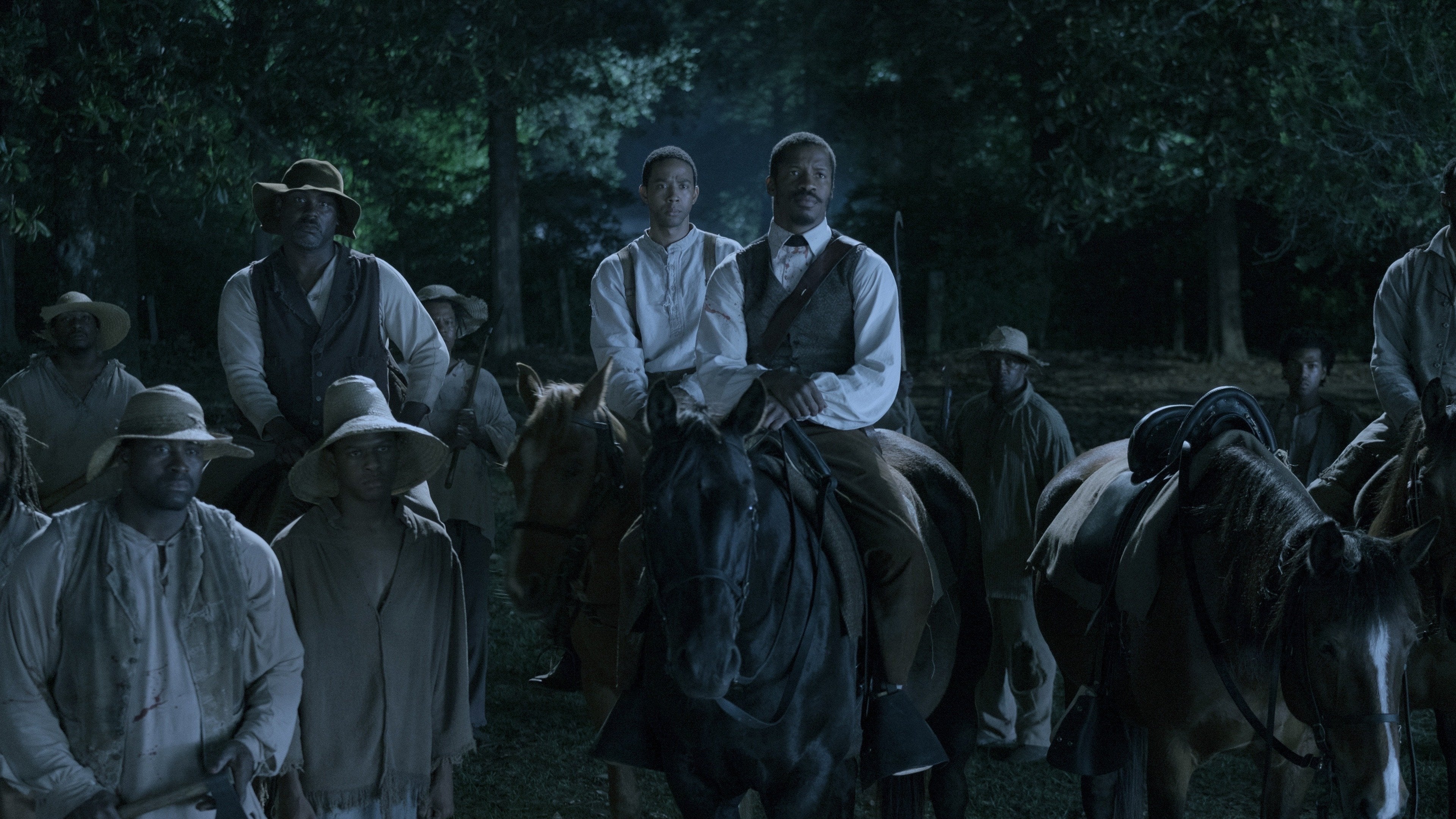
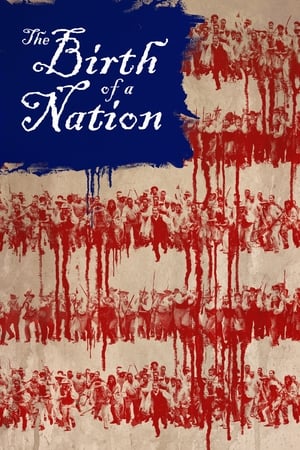


Nat Turner, a former slave in America, leads a liberation movement in 1831 to free African-Americans in Virginia that results in a violent retaliation from whites.
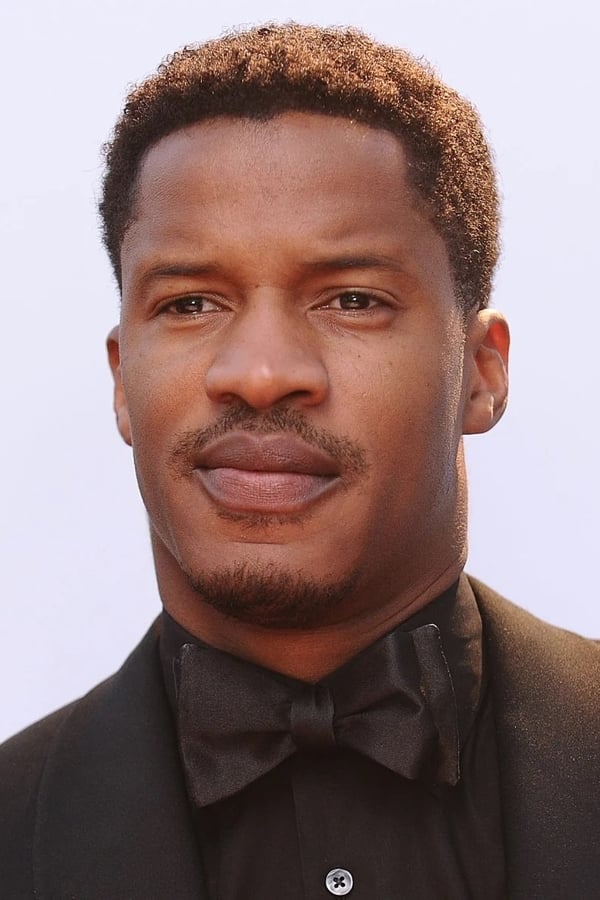
Nate Parker
Director

Nate Parker
Nat Turner

Armie Hammer
Samuel Turner

Aja Naomi King
Cherry
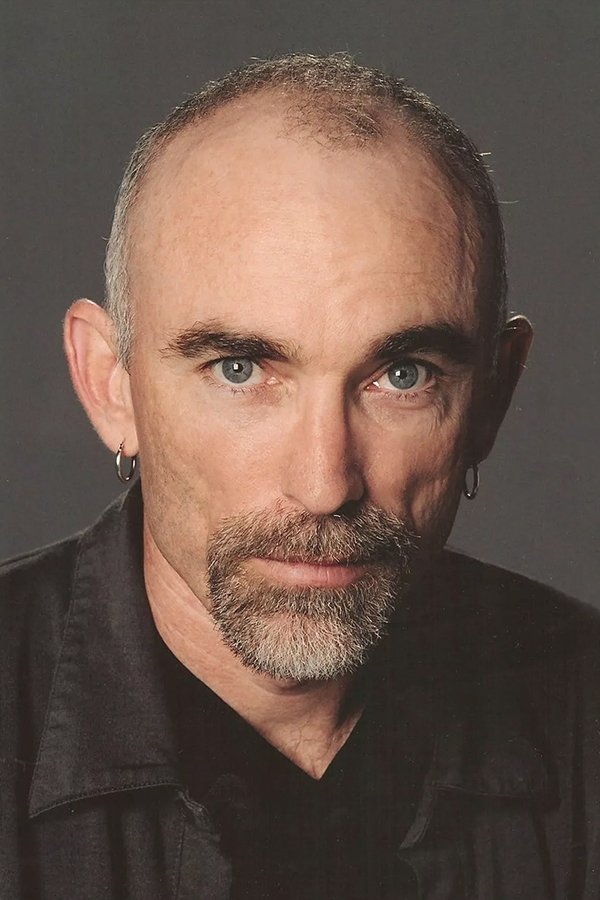
Jackie Earle Haley
Raymond Cobb
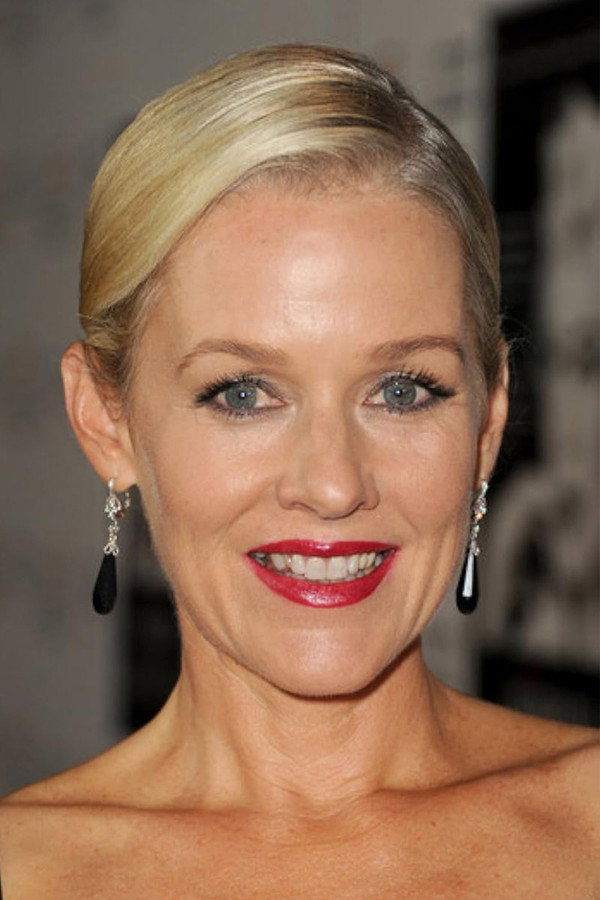
Penelope Ann Miller
Elizabeth Turner
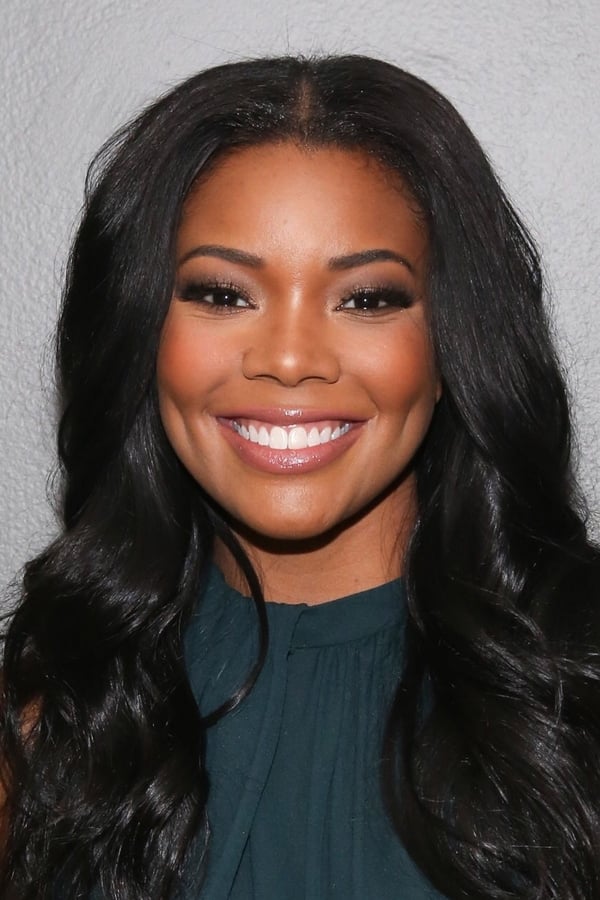
Gabrielle Union
Esther
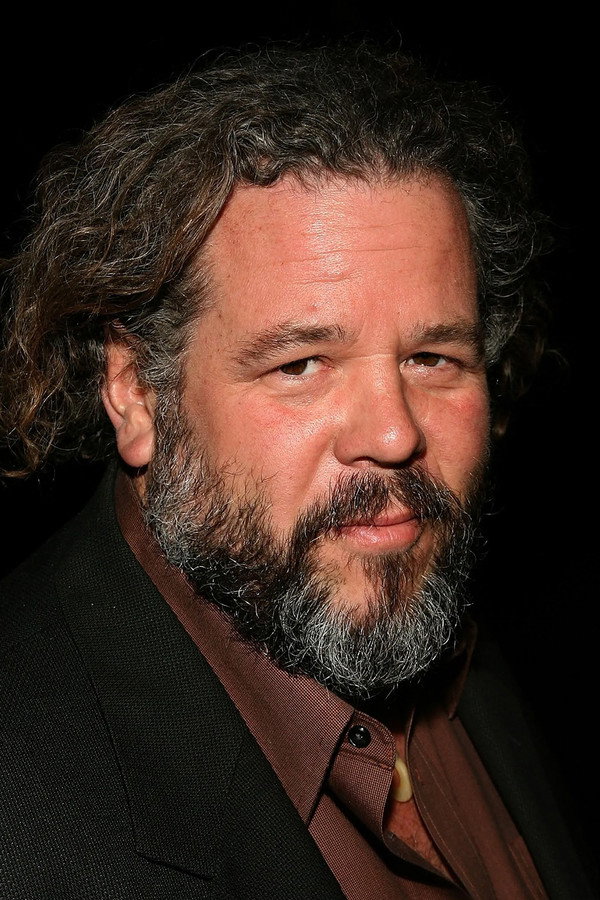
Mark Boone Junior
Reverend Zalthall
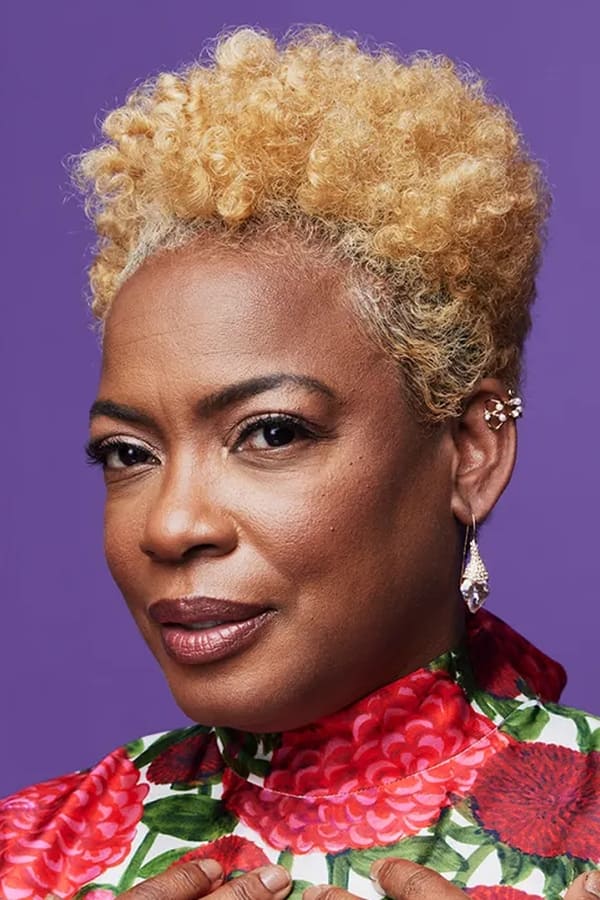
Aunjanue Ellis-Taylor
Nancy Turner
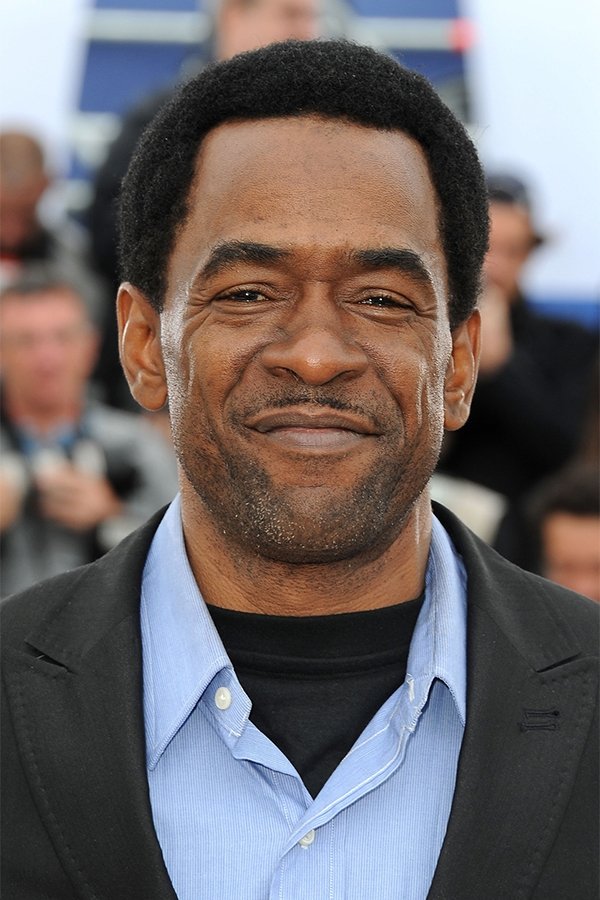
Dwight Henry
Isaac Turner
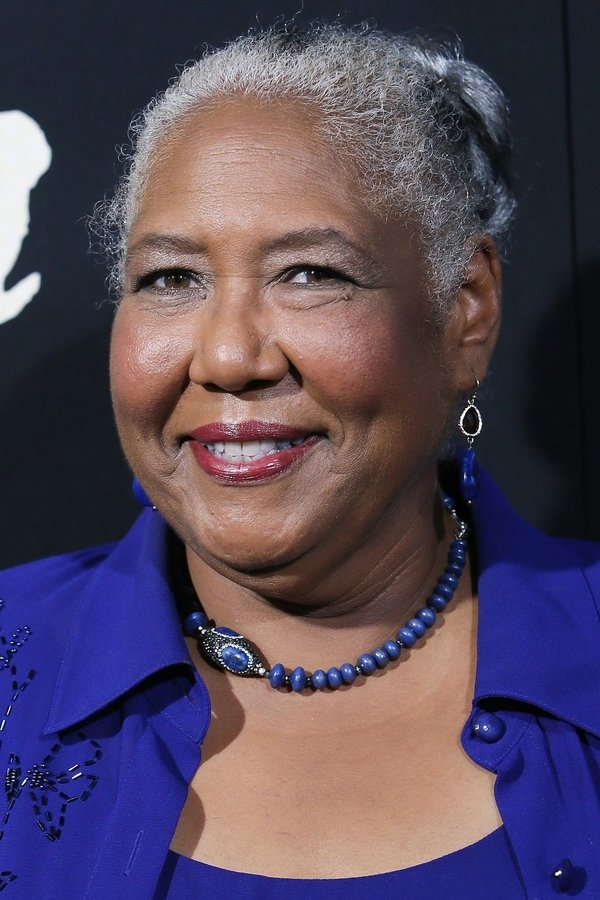
Esther Scott
Bridget Turner
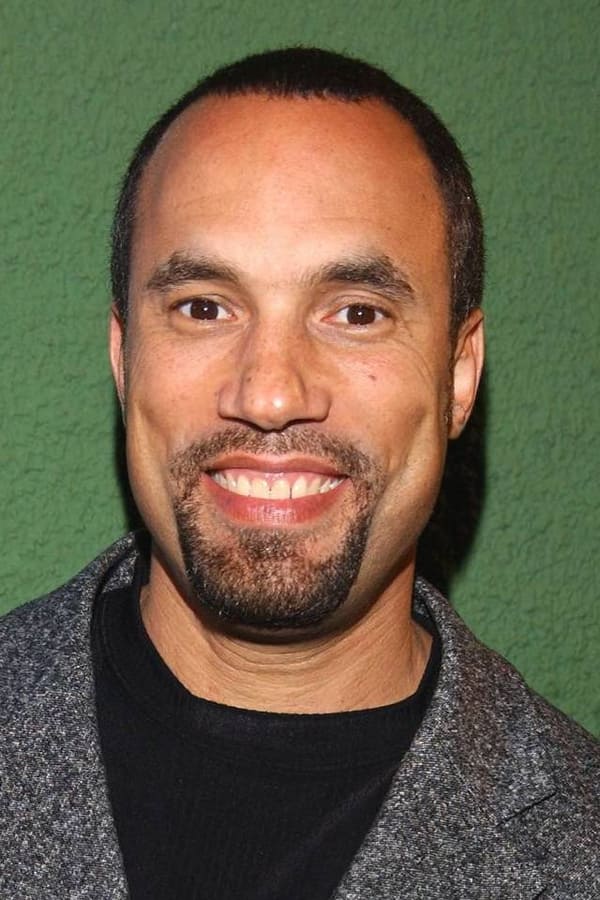
Roger Guenveur Smith
Isaiah
Some moments of the series are intense and ends on a cliff-hanger that will have you yearning for a second season.
A boy named Max experiences adventure within his own house while staying home alone.
The Suicide Squad's Polka-Dot Man aka Abner Krill, played by David Dastmalchian, helped me come to terms with my own issues of anxiety.
The genres of science fiction and fantasy are not exclusively masculine territory. Over the last few decades, female directors have brought to the screen some of the most visually stunning, intellectually daring, and deeply moving works of speculative fiction. From big Hollywood productions like Wonder Woman and Captain Marvel to independent low-budget films, women filmmakers are making a name for themselves around the world.
The story of the singer's career in her Sweetener World Tour is told in this featured documentary film.
Disney has long since had a reputation for creating underwhelming sequels. Is Zootopia 2 any different?