










Revisiting the Holy Trinity of Aroace Disney Princesses for Pride Month
Although not canonically aromantic or asexual. the stories and personalities of these Disney princesses resonate with members of the aroace community.



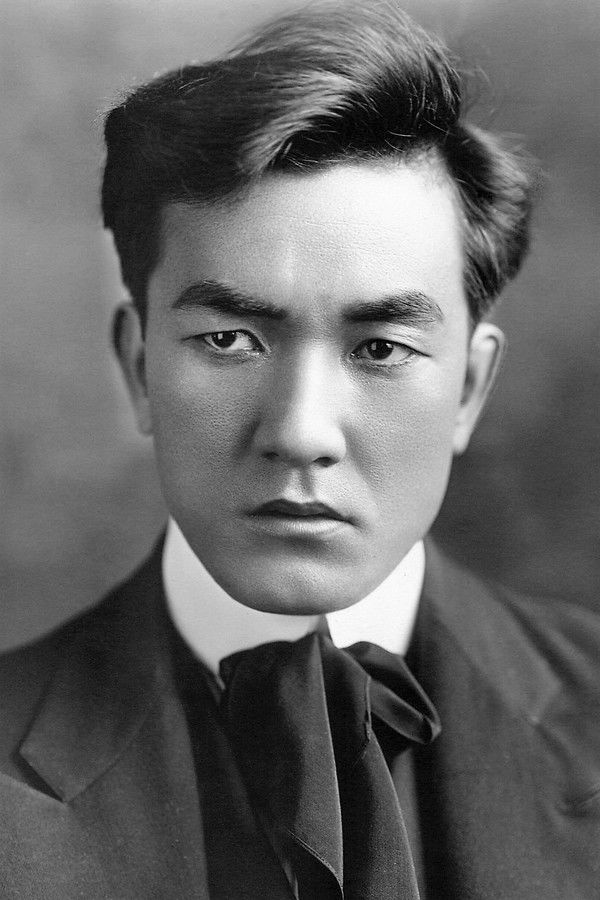
Yukio, a farm boy, and Toru, a fisherboy, live in a small Japanese village that is periodically threatened by a volcano on one side and tidal waves on the other. Yukio's younger sister Setsu follows then and dreams of becoming a pearl diver. Toru is preparing to go fishing with his father when a bell tolls and a danger flag is hung high on the hill behind the village to warn of an impending tidal wave by the village patriarch, known as Old Gentleman.
Although not canonically aromantic or asexual. the stories and personalities of these Disney princesses resonate with members of the aroace community.
The film's Incluvie rating is off the charts. It features Black, Muslim, queer, trans humans whose moms hold them up, fight for them, and love them for who they are...making anything possible.
If you mix religious rituals with dark mythology, the result will be effective, and the story powerful in 90% of the cases. That is exactly what happens at the beginning of The Vigil.
Emily and Stephanie are back... just add gin and drama.
A story about precarious tricks and unstoppable discipline to inspire young viewers. They'll learn that like any dream, achieving Cloud 9 is possible.
In honor of AANHPI Month, let's celebrate Filipina-American pop star Olivia Rodrigo and her love of horror movies.