







Light Language in Casablanca
What makes the lighting in Casablanca even more impressive is how it reflects the emotional states of the characters without needing explicit dialogue.

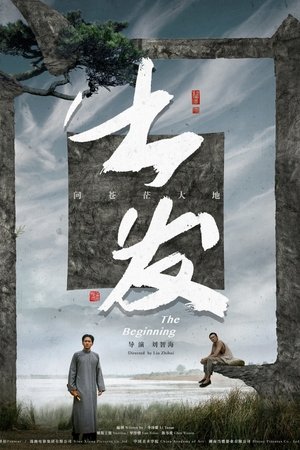
In the summer of 1917, Mao Zedong and his fellow student Xiao Zisheng, who were studying at Hunan First Normal University, embarked on a journey of poverty with only pen and ink, without a single word. Over the course of more than a month, they traveled to five places, measured the world with their footsteps, and felt the people with their hearts. In the process of opening up the "wordless book" of society, Mao Zedong gradually realized the location of the "great source" he explored day and night. This journey became an extremely important starting point in his life path.
What makes the lighting in Casablanca even more impressive is how it reflects the emotional states of the characters without needing explicit dialogue.
"A Drowning Man" (2017) explores the unseen aspects of the Refugee Crisis. In, 15 far-too-short minutes, viewers are given a detailed snapshot of what it's like for a refugee to drown in the waters of poverty and otherness while trying to navigate a land whose promise has worn off, and only 'strange' remains.
'Riders of Justice' perfectly depicts some masculinity problems present in our society. Moreover, it talks about how hard is to lose someone and how different people deal with the situation.
Few movies deal with aging (particularly aging women) with as much compassion as Relic does. Yet it’s not sickly sweet and not a soapbox rant against ageism. Relic simply is, allowing the horror to seep in quietly and carefully.
I Love You Forever, marketed as a “subversive” romantic comedy is in fact a painful horror film about a young woman deep in the throes of an abusive relationship.
Ultimately, Wicked is a story about the cost of being othered, the pain of being misnamed, and the quiet revolution of standing in your truth.