









“Madeline’s Madeline” and the Exploitation of Actresses
This emotional, frightening, and dreamlike story examines the ways actresses are exploited in the name of art.
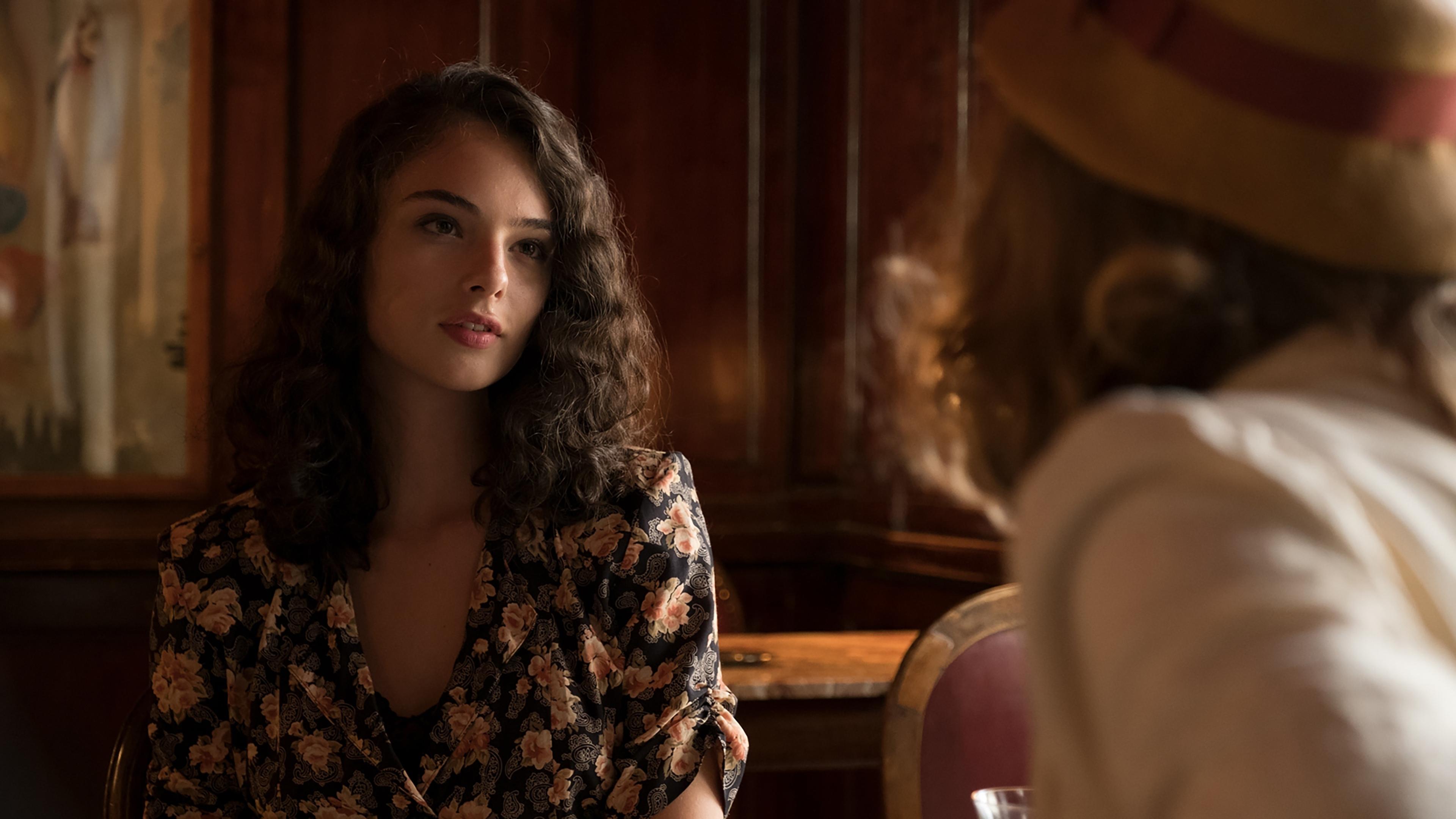



Seventeen-year-old Ginia leaves the countryside in search of a new life in Turin. Restless and seeking adventure, Ginia soon finds it in the beautiful, enigmatic Amelia, whose sensuality and confidence embolden her to begin modeling for the bohemian artists in their circle. A whirlwind affair ensues, and the young seamstress finds herself swept up in an unfamiliar and exciting world of discovery.
This emotional, frightening, and dreamlike story examines the ways actresses are exploited in the name of art.
Considering the runtime, I expected each scene to hit harder as opposed to a series of montages and vignettes.
The plot could’ve really been interesting if the elements of lycanthropy was integrated with perhaps the struggle of identity of being LGBTQ+. It's an experience for so many that as they’re starting to realizing their true selves, they feel like a monster, especially if they come from unsupportive homes or communities. Instead, the horror and transformation elements seem thrown in without contemplation of how this could deepen the narrative.
This action thriller is made with the hope that the black youth of America will feel empowered, and realize the significance of their heritage.
Throughout Brendan Fraser’s career, he has played a plethora of unique, layered characters who explore the importance of not being afraid to display your emotions, something that is often seen to not be a masculine trait. This idea of regulating emotion and what traits men are able to possess creates a toxic atmosphere for men who are often told they should not cry or represent their emotions in any physical way. These characters represent that men can be joyful, emotionally conscious, and sensitive, while also representing their masculine identity instead of painting those qualities as fighting against their masculinity.