




Modern Hit Songs from Film Soundtracks
Great films not only give us great stories, but also great soundtracks. Here are some of our favorite picks for soundtracks songs.

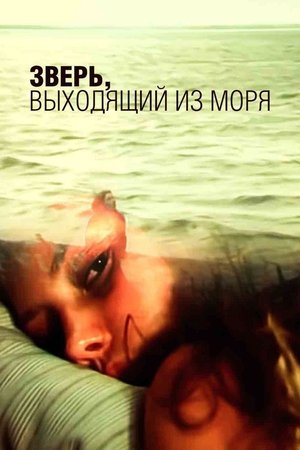


Based on a novel by Evgeny Zamyatin. In 1920s Petrograd, childless couple Trofim and his wife Sofya adopt their late neighbor’s daughter, thirteen-year-old Ganka, only for Ganka to begin a scandalous affair with her foster father. When Sofya’s despair over the incest drives her to murder Ganka with an axe and conceal the body during a flood, Trofim reports her “missing” to the police, who never recover the corpse. Sofya later becomes pregnant, confesses to the killing, and Trofim, moved by love and guilt, offers to take the blame, though the skeptical investigator doubts any crime occurred.
Great films not only give us great stories, but also great soundtracks. Here are some of our favorite picks for soundtracks songs.
Overall, “Dark Fate” is a run-of-the-mill flick. Together, Reyes and Davis have excellent chemistry, but their characters’ story is nothing new, lacking surprise and deep emotion. During the middle points, the film drags considerably, and when the action hits, it feels consistently tight, eliminating the rhythm and fluidity of conflicts.
'Kobra Auto Retrato' chronicles the inspiring journey of Kobra, a world-renowned Brazilian muralist and street artist.
"Be good. It doesn’t mean you can’t be tough. It doesn’t mean you always have to be nice. Just be good."
In less than 30 minutes, Proudfoot guides the viewer through a narrative that touches on American history, mind-health issues, race, and gender politics
'Jungle Cruise' is fun if you can ignore the racism of the ride it’s based on and the film’s bland, stereotypical characters.