The Battle of Okinawa
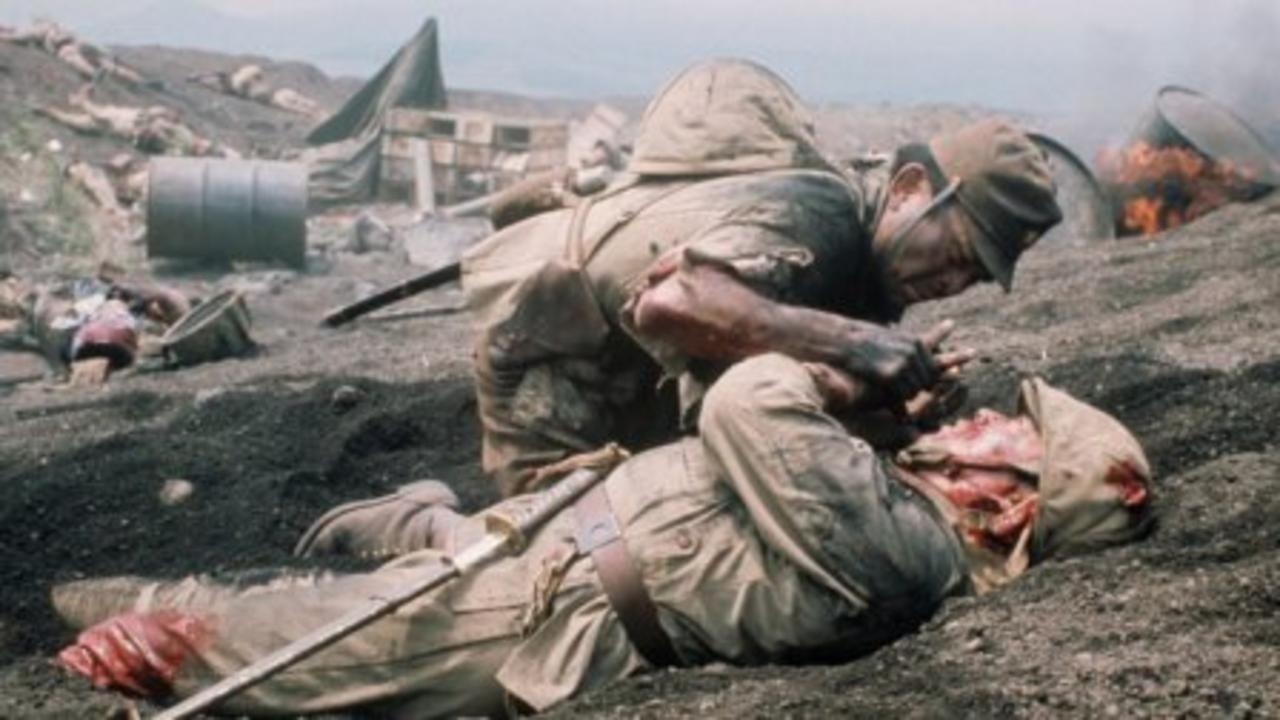
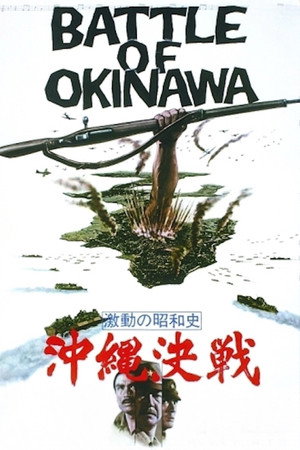
The Americans are swiftly closing on Okinawa, an island just south of the Japanese mainland. The Imperial command sends top generals and several army divisions to defend it at all costs. The mission quickly degenerates as vital resources and troops are diverted to other islands. After a civilian evacuation ends in tragedy most of non-combatants are forced to remain on the island. Many convert to soldier status. Tokyo sends mixed messages that squander time and resources, as when they order the defenders to build an airstrip for aircraft that never come. The truth soon becomes obvious: the high command decides that the island cannot be held and effectively abandons the Okinawan defenders. When the Americans land many troops are deployed in the wrong places. As the slaughter mounts, a suicidal attitude takes hold. Okinawa becomes a death trap, for civilian volunteers and non-combatants as well.

- / 5
PopScore
Representation
Pictures and Videos

Movie Information
The Americans are swiftly closing on Okinawa, an island just south of the Japanese mainland. The Imperial command sends top generals and several army divisions to defend it at all costs. The mission quickly degenerates as vital resources and troops are diverted to other islands. After a civilian evacuation ends in tragedy most of non-combatants are forced to remain on the island. Many convert to soldier status. Tokyo sends mixed messages that squander time and resources, as when they order the defenders to build an airstrip for aircraft that never come. The truth soon becomes obvious: the high command decides that the island cannot be held and effectively abandons the Okinawan defenders. When the Americans land many troops are deployed in the wrong places. As the slaughter mounts, a suicidal attitude takes hold. Okinawa becomes a death trap, for civilian volunteers and non-combatants as well.
Rating:
Genre:War, History
Written By:Kaneto Shindō
In Theaters:
Box Office:
Runtime:149 minutes
Studio:TOHO
Cast
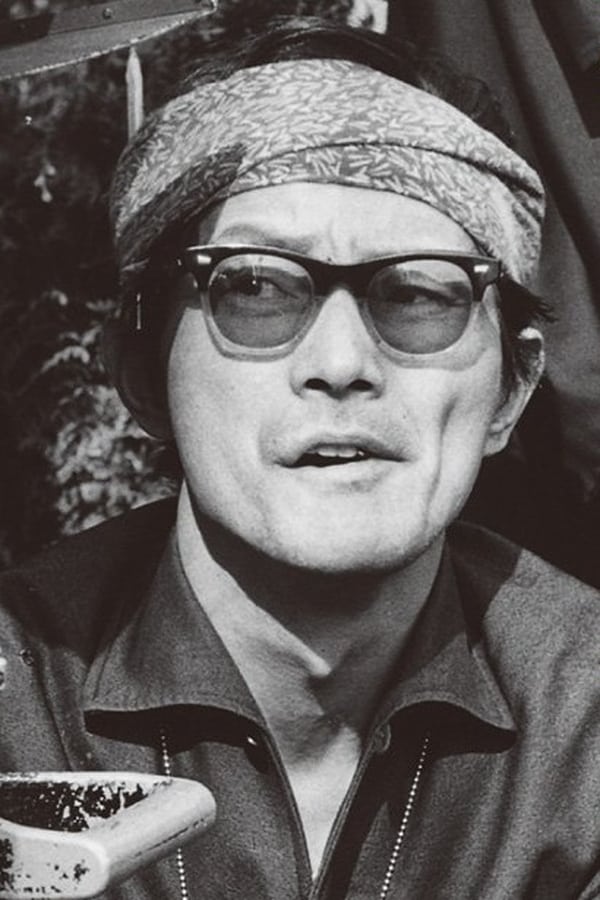
Kihachi Okamoto
Director

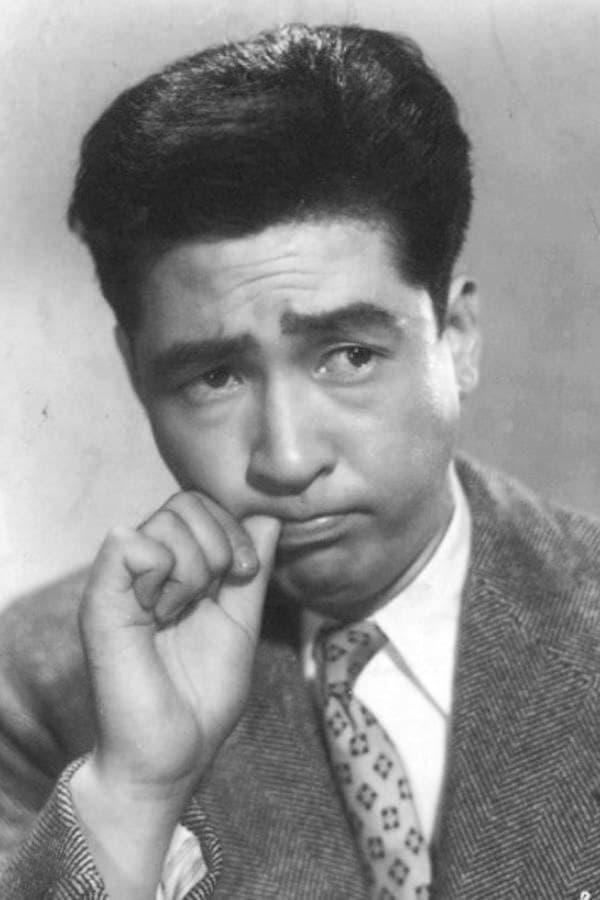
Keiju Kobayashi
General Ushijima
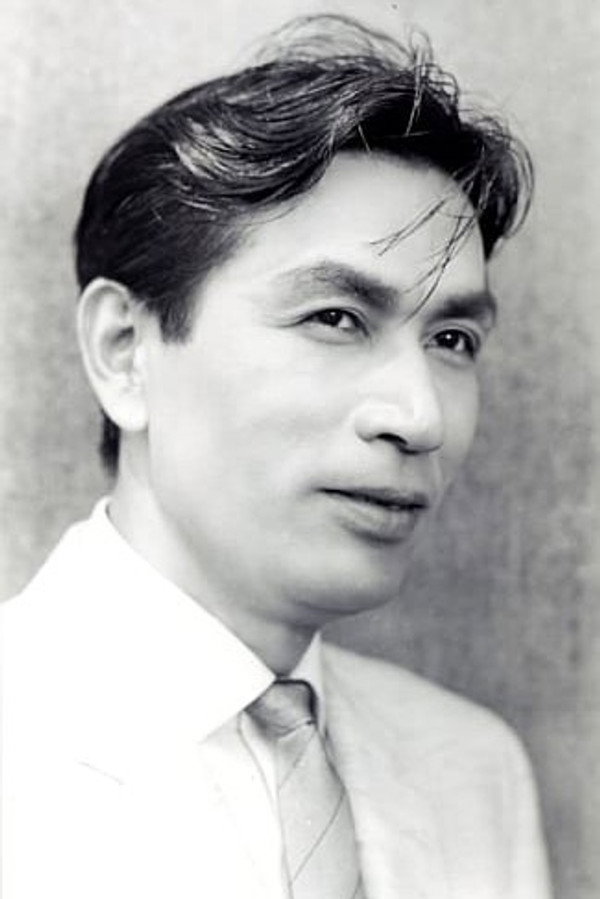
Tetsuro Tamba
Lieutenant General Isamu Cho
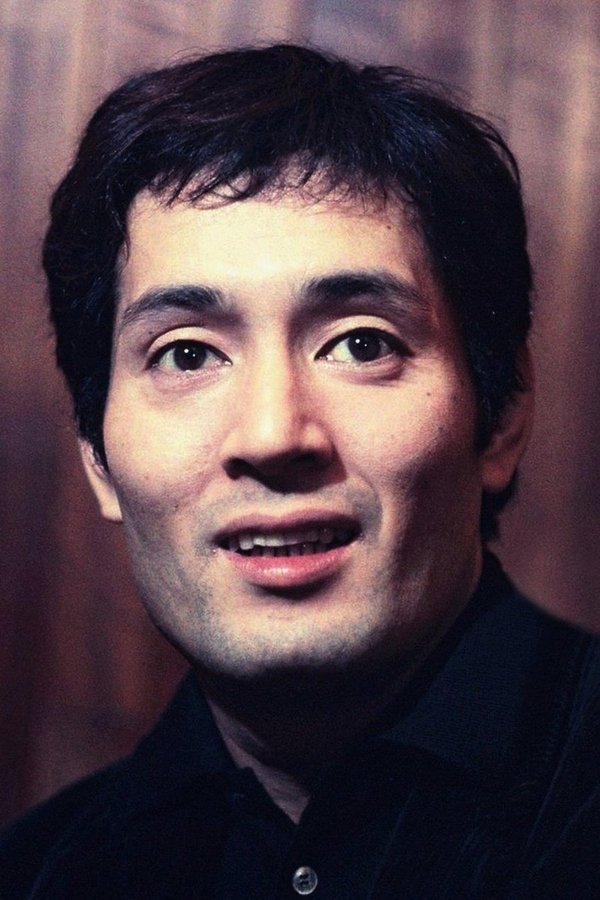
Tatsuya Nakadai
Colonel Hiromichi Yahara

Yūsuke Kawazu
Naomichi Jin

Ichirō Nakatani
Chief of Staff Ueno
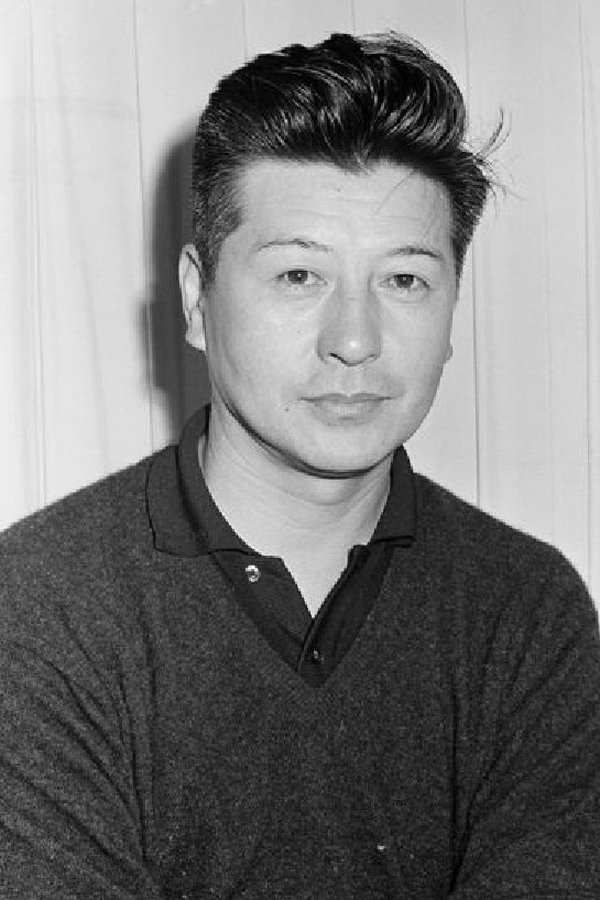
Ryō Ikebe
Rear Admiral Ota
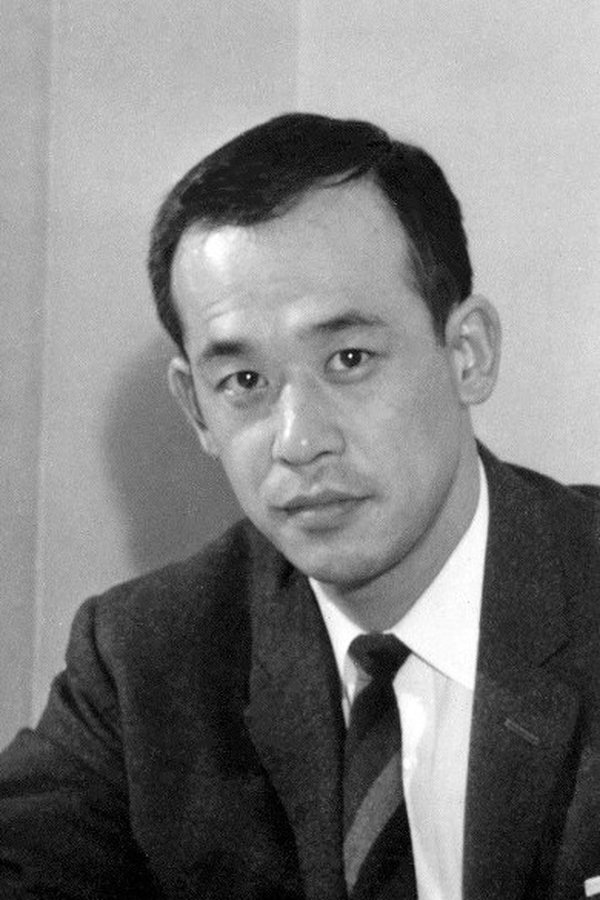
Shigeru Kōyama
Akira Shimada
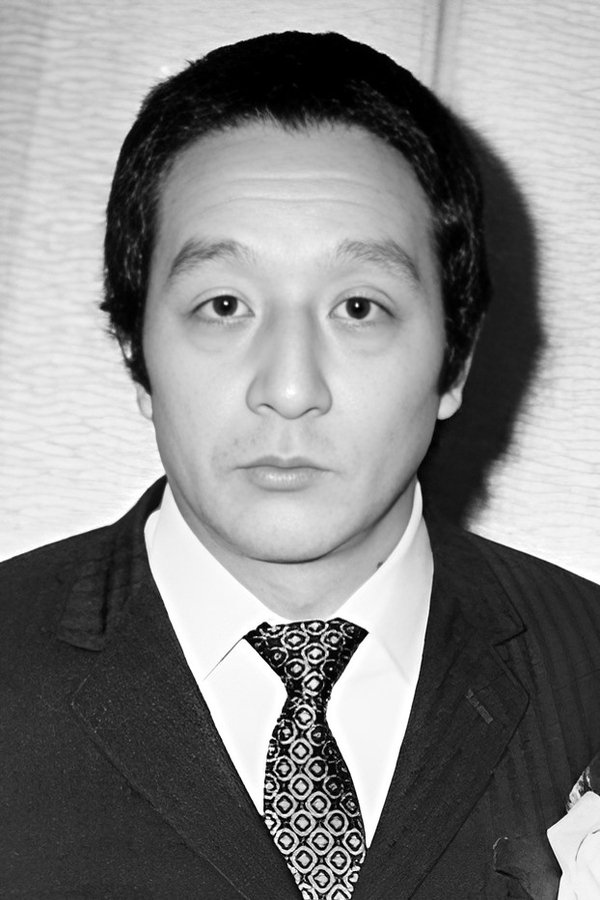
Kunie Tanaka
Barber Higa
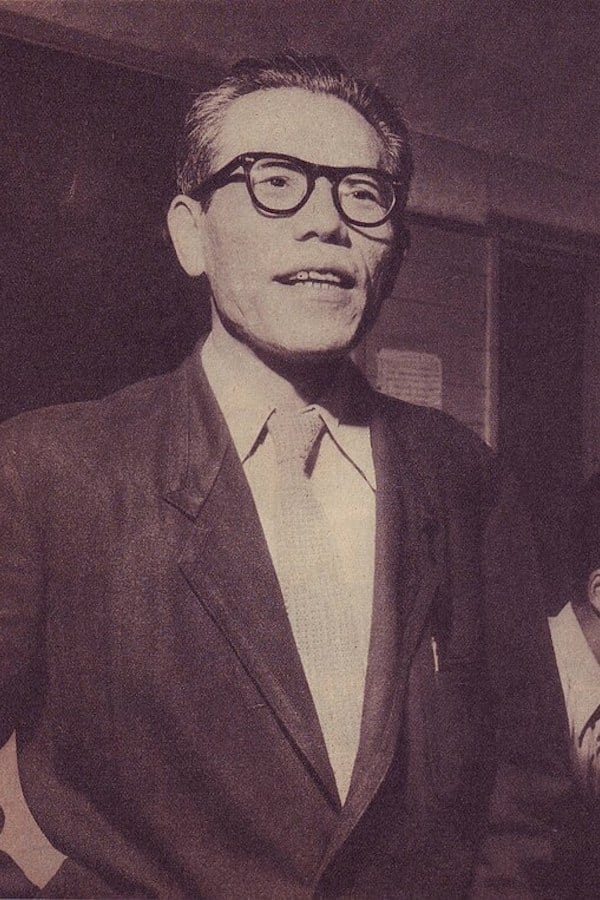
Eijirō Tōno
Yoshijirō Umezu
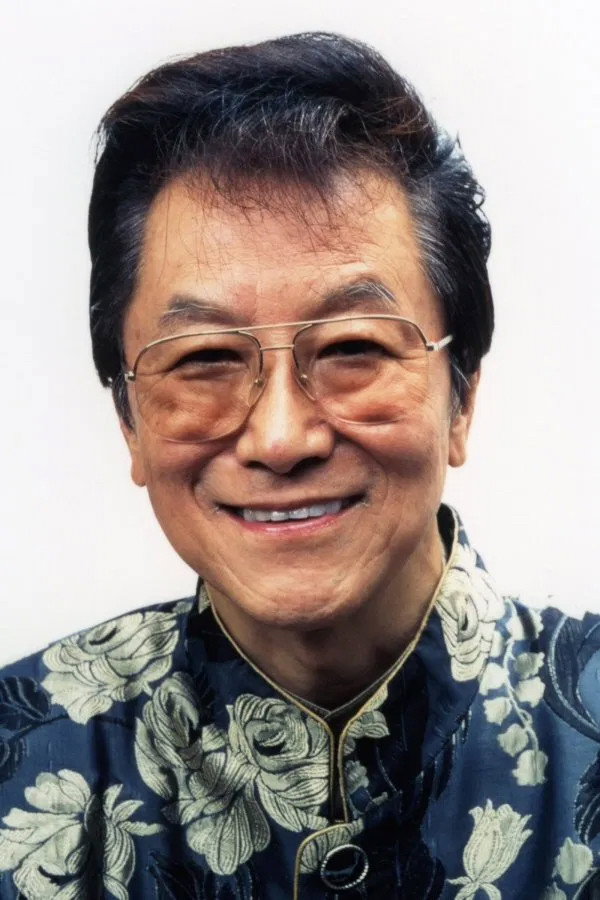
Jun Hamamura
Shuki Izumi

Akira Yamanouchi
Shūichi Miyazaki
Articles You May Like
"In the Heights" Review
Lin-Manuel Miranda's Tony-winning musical translates beautifully to the screen.
Black Fatherhood Gets Elevated in ‘Elevation’
There’s been a longstanding criticism of sci-fi films about its lack of Black characters. For the past few years, Anthony Mackie has been successfully representing Black masculinity in the otherwise homogenous genre and I am here for it.
“A Girl Walks Home Alone At Night”: A Powerful Look At the Exploitation of Women
While the director didn't set out to make a feminist film, "A Girl Walks Home Alone At Night" reads as a reclamation of female power in a patriarchal society.
The Drama Continues in 'Tall Girl 2'
The story continues in 'Tall Girl 2' as Jodi finds herself playing the lead role in the school's musical production.
Lucy and Desi: A Unique Insight into Television’s Strongest Partnership
Desi’s “straight man” to Lucy’s playful exuberance subverted people’s expectations of what a Latino man could be and added respect and nuance to the way onscreen marriages between men and women were portrayed.