


Incluvie Classics: Strong Women and Gender Expression in Alfred Hitchcock's “Psycho.”
Alfred Hitchcock’s 1960 film "Pyscho" is an American film classic that still resonates today.



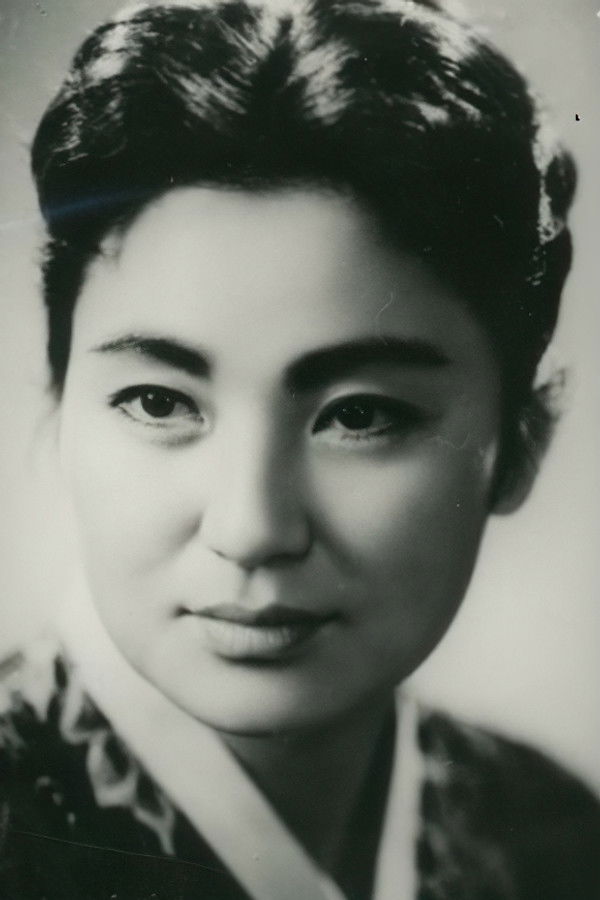
Chang-hwan, who came down from the north, calls his mother and lover Sung-hee's brother and friend Sung-ho (the beneficiary) of Sung-hee, to North Korea, but they refuse to do so. When June 25 broke out, Sung-ho served as the commander of the Korean Army and was isolated in battle. However, with the participation of the UN forces, the charter is improved, and the name that saved Captain Brown from the wounded moves to join the national army. The Sung-ho party, who accidentally defeated the Changhwan Workers who brutally killed the people of his hometown, rescues Sung-hee, who was in crisis. In order to save the wounded black soldier, Sung-hee's mother loses her eyes, and Sung-hee becomes a nursing officer.
Alfred Hitchcock’s 1960 film "Pyscho" is an American film classic that still resonates today.
A tale of legendary hunters and monsters that reminds us once more not to judge a book by its cover. Enjoy this heartwarming sea shanty with a well-done plot twist.
Korean culture shines in this Canadian export.
The Conjuring: The Last Rites delivers a thrilling mix of scares and heart. From the axe-wielding ghost to the Warrens’ emotional farewell, Patrick Wilson and Vera Farmiga shine. Fans get a chilling, atmospheric conclusion that’s worth watching in theaters.
A refreshing twist is that all the kids’ powers are…kind of useless. There’s a kid who can only move in slow motion, a kid who has every power in the world but can only use them randomly, and our main character Missy who has no powers at all. The thesis of the film seems to be that it doesn’t matter what kind of powers you have, its the way you use them, which is good for the warm and fuzzies.
Mala tripped over in a company Diwali party, which led to unexpected visits and realizations.