A Look Inside the Ivy and Bean Film Series
The tale of two friends spans three films and gives wonderful representation for young girls everywhere.
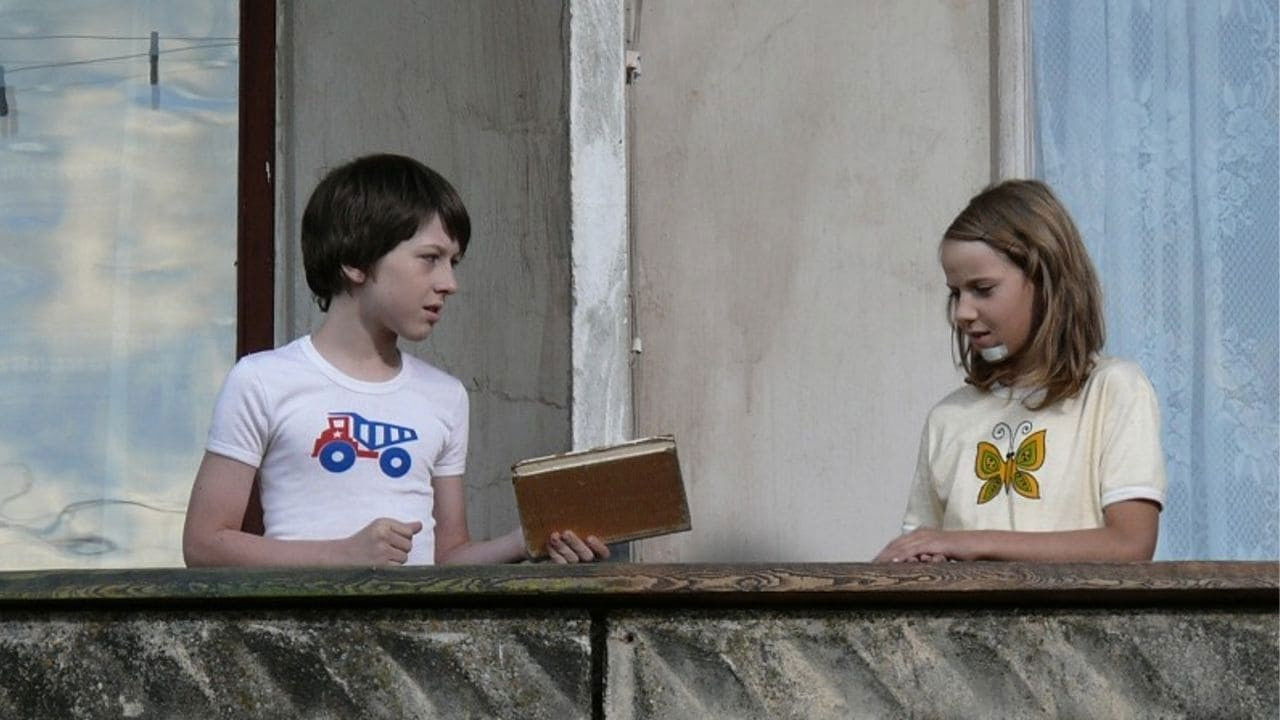



Soviet eighties. A little town in the periphery. After his parents' divorce, 11-year-old Rolanas and his dad move in next door to same-aged Emilija. Friendship is born between the kids, however, shyness or fear of opening up makes them communicate through the wall, sitting in their own balconies, or through a socket connecting their flats. Emilija's parents also appear to be on the verge of divorce. The children discover common topics, activities. Unfortunately, a nearly tragic accident prevents Emilija to go to the balcony. This encourages both children to set out for a "real" date.

Giedrė Beinoriūtė
Director

Elzbieta Degutytė
Emilija
Karolis Savickis
Rolanas

Saulė Emilija Rašimaitė
Rūta
Dovilė Tarvydaitė
Ina

Viktorija Kuodytė
Emilija's Mother

Rolandas Kazlas
Emilija's Father

Irmantas Bačelis
Rolanas' Father
Antanas Surgailis
Ina's Father
Nikol Kaufman
Marija
Daiva Siurblytė-Juškienė
Kvass seller

Aldona Vederaitė
Grandma
The tale of two friends spans three films and gives wonderful representation for young girls everywhere.
This 2023 film serves as the final chapter of the Indiana Jones franchise.
This theatrical sequel based on the PAW Patrol series features voice actors of color in this action-packed adventure.
Stand and Deliver is an inspirational classic from 1988 starring Edward James Olmos as Jaime Escalante, and his class of rag tag students in East Los Angeles. It’s the story of how a new teacher shows a motley group of students in the inner city with backgrounds as gang members, dishwashers, and mechanics — the power of self-determination. He teaches the teenagers to believe in themselves through algebra and calculus.
A family adventure film that features Hawaiian culture with a representative director and a diverse cast.
April, a professional dancer, reluctantly trains a group of girls at a dance school for the dance competition.