Dead Poets Society Steals a Queer Story
Dead Poets Society relies on patriarchal tropes such as overbearing fathers, contrived brotherhood, and faux-individuality in order to portray its straight white male characters as oppressed.




Spies hold the son of a nuclear physicist (Gene Barry) hostage in exchange for the Los Alamos bomb formula.
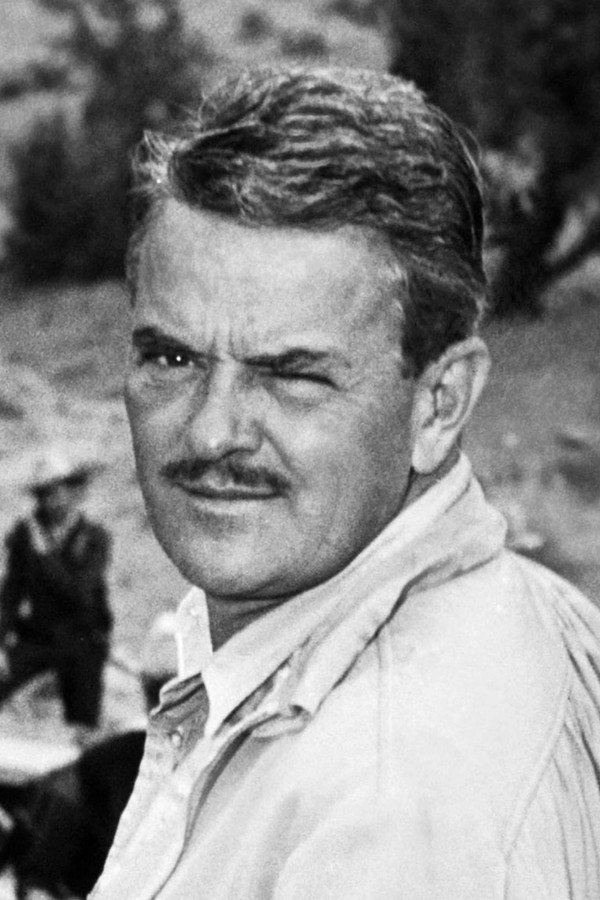
Jerry Hopper
Director


Gene Barry
Dr. Frank Addison

Lydia Clarke
Martha Addison

Michael Moore
Russ Farley

Nancy Gates
Ellen Haskell

Lee Aaker
Tommy Addison

Milburn Stone
Insp. Harold Mann

Bert Freed
Emil Jablons

Frank Cady
F.B.I. Agent George Weinberg
Houseley Stevenson Jr.
'Greg' Gregson

Leonard Strong
Donald Clark

Jerry Hausner
John Pattiz
Dead Poets Society relies on patriarchal tropes such as overbearing fathers, contrived brotherhood, and faux-individuality in order to portray its straight white male characters as oppressed.
After We Collided is a sequel to last year’s After, which itself was based on Anna Todd’s 2014 novel of the same name, and which was originally published as a Harry Styles-centric fan-fiction on WattPad (a similar path as E.L. James’ Fifty Shades of Grey series).
Ever heard of the bad boy type? The type of man who's sexy yet broody, or the type of man who’s dangerous but has a sensitive side? It’s a well-known stereotype that women are attracted to villains. The question is: why are we?
A cat-and-mouse chase that will make viewers nostalgic for the cartoon series.
My Beautiful Laundrette is often referenced as a positive LGBTQIA+ film because our two main characters are in a homosexual relationship with no shame, fear of violence or criticism. The struggle is not their sexuality. It is the treatment of the Pakistani citizens in England.
By undermining the appeal and credibility of black characters, the show compromises the very idea of diversity and representation it sets to promote.