Incluvie – Better diversity in movies.
Identity in film with Incluvie stamps, scores, reviews.

Incluvie – Better diversity in movies.
Explore identity in film with Incluvie stamps, scores, reviews, and insights.

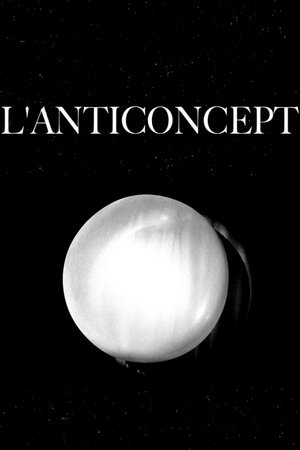
The Anti-Concept poster

The Anti-Concept 

The film was shown for the first time on 11 February 1952 at the 'Avant-Garde 52' cinema club. It consisted of blank illumination projected onto a weather balloon, accompanied by a staccato spoken soundtrack. The film was banned by the French censors on 2 April 1952—when the Letterists visited the Cannes Film Festival the following month, they were forced to restrict the audience to journalists only. The text of the soundtrack was published in the sole issue of the Letterist journal Ion (1952; reprinted Jean-Paul Rocher, 1999), and later reissued in a separate edition augmented with associated texts (Editions Allia, 1994). Ion also included the text of Guy Debord's film Howls for Sade, which was dedicated to Wolman and featured his voice in its own soundtrack.
- / 5
PopScore
Representation

Pictures and Videos


Incluvie Gala

Movie Information


The film was shown for the first time on 11 February 1952 at the 'Avant-Garde 52' cinema club. It consisted of blank illumination projected onto a weather balloon, accompanied by a staccato spoken soundtrack. The film was banned by the French censors on 2 April 1952—when the Letterists visited the Cannes Film Festival the following month, they were forced to restrict the audience to journalists only. The text of the soundtrack was published in the sole issue of the Letterist journal Ion (1952; reprinted Jean-Paul Rocher, 1999), and later reissued in a separate edition augmented with associated texts (Editions Allia, 1994). Ion also included the text of Guy Debord's film Howls for Sade, which was dedicated to Wolman and featured his voice in its own soundtrack.

Rating:
Genre:
Directed By:Gil J. Wolman
Written By:Gil J. Wolman
In Theaters:
Box Office:

Runtime:60 minutes
Studio:

Articles You May Like


Why "The Birdcage" is Still Worth Celebrating 25 Years Later

Perhaps the most amazing and groundbreaking quality about The Birdcage is how removed it is from both illness and insensitivity. Whereas films preceding it were often somber stories about the tribulations of being gay in a conservatively straight world, Nichols and screenwriter Elaine May expose the fallacies of conservatism as traditional values are thrown into a more open-minded space. They don’t care how far the community has fallen so much as how high they can rebuild themselves.

Matt Geiger

An exploration of societal expectations and madness: Die My Love (2025)

It’s been awhile since I’ve seen a film that is jarring within the first five minutes. Being at the edge of my seat from the very beginning made me feel both excited and frightened for what was to come, and it did not disappoint. Led strongly by Jennifer Lawrence as Grace, a woman trapped in the “American dream”, this film shows that society tells us what should make us happy. Many critics describe Die My Love as being about post-partem depression, but it is so much more. After moving to a secluded home with her husband Jackson, Grace finds herself in the throes of motherhood. Feeling isolated in her physical environment and her romantic relationship, Grace suffers psychologically. Lawrence brings a sense of rawness and humor to the screen that is often uncomfortable. Robert Pattinson adds to the discomfort as her loving, yet lost husband Jackson, who cares about his wife but does not know how to help her. Lynne Ramsay has presented a film that forces us to look at the realness of life, and what happens when the promise of what should make you whole fails.

Ashley Delgadillo

