



Creepy Concept, Lackluster Story: A Movie Review of “Come Play”
"Come Play" was entertaining and had some great ideas about how to scare children away from playing with facial recognition settings.

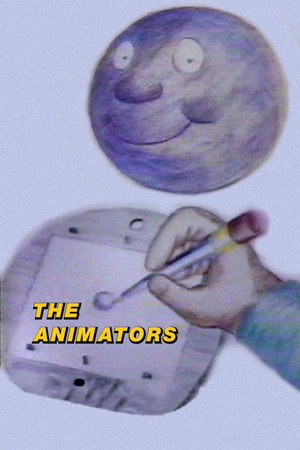
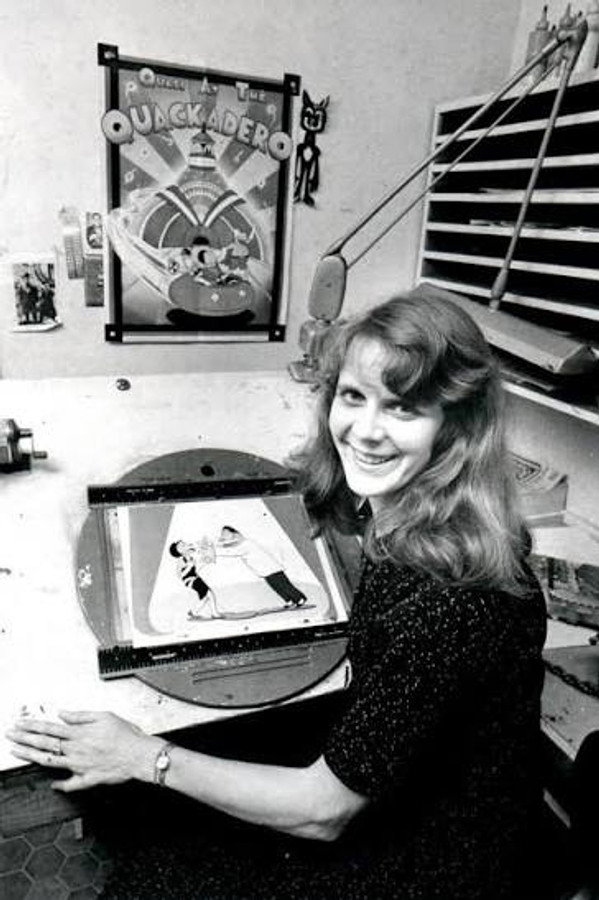
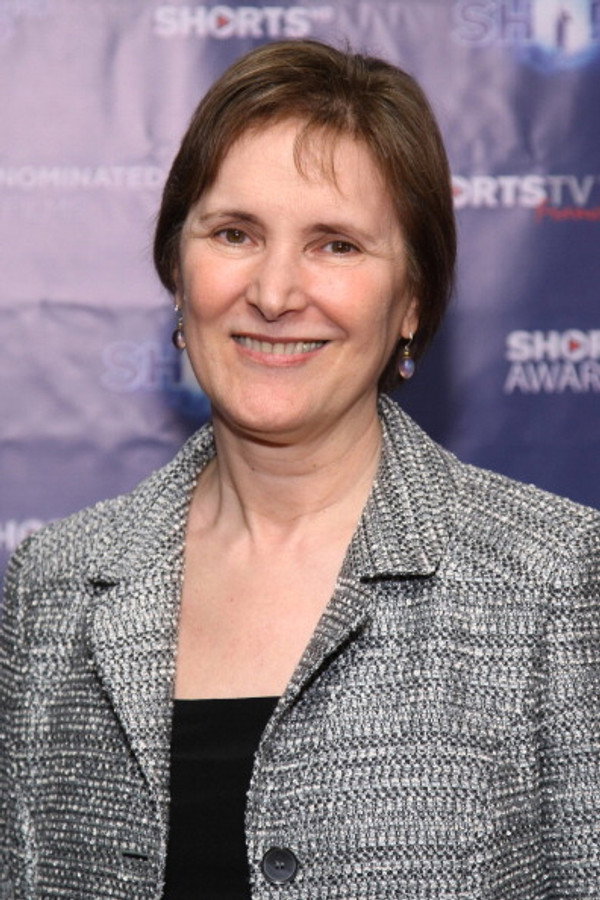
A PBS documentary from around 1982 about San Francisco bay area animators. It features Marcy Page, Jeff Hale, Sally Cruikshank, Bud Luckey, Rudy Zamora, John Korty, Vince Collins, Drew Takahashi
"Come Play" was entertaining and had some great ideas about how to scare children away from playing with facial recognition settings.
Diana’s spirit has taken off, ‘No right, no wrong, no rules for me.’ And in that moment, as she runs on the screen, she gets it, her ‘Let It Go’ moment.
The relationship between Will and Sean is the best part of the movie. It’s always a delight to see Robin Williams on screen
'Legally Blonde' remains a standard of feminist filmmaking over two decades after its release, although its poor treatment of racial and sexual minorities make it a product of its time.
If the message here is that without a support system, grieving people turn into monsters, it’s not really well-delivered and may be flawed as a message itself.
Sorry to Bother You ultimately speaks to the unfair advantages that the country’s power structures award to those with the resources to control others, as Lift’s easy access to the media allows his opinion to be the only one that matters in the eyes of the unsuspecting and easily impressed public. Moreover, it reveals the extent to which the American Dream has any true validity. It postulates how the promise of success and fulfillment as promoted by the American Dream more often than not leads to the undoing of the individual. Interestingly, in its revealing of the American Dream as merely a facade, Sorry to Bother You wisely questions whether or not anything can really be done to undo a system that has been accepted and in action for centuries.