



Māhū—Reclaiming what’s rightfully theirs
Why did Māhū, a term once respected in Hawaiian culture, become so controversial?
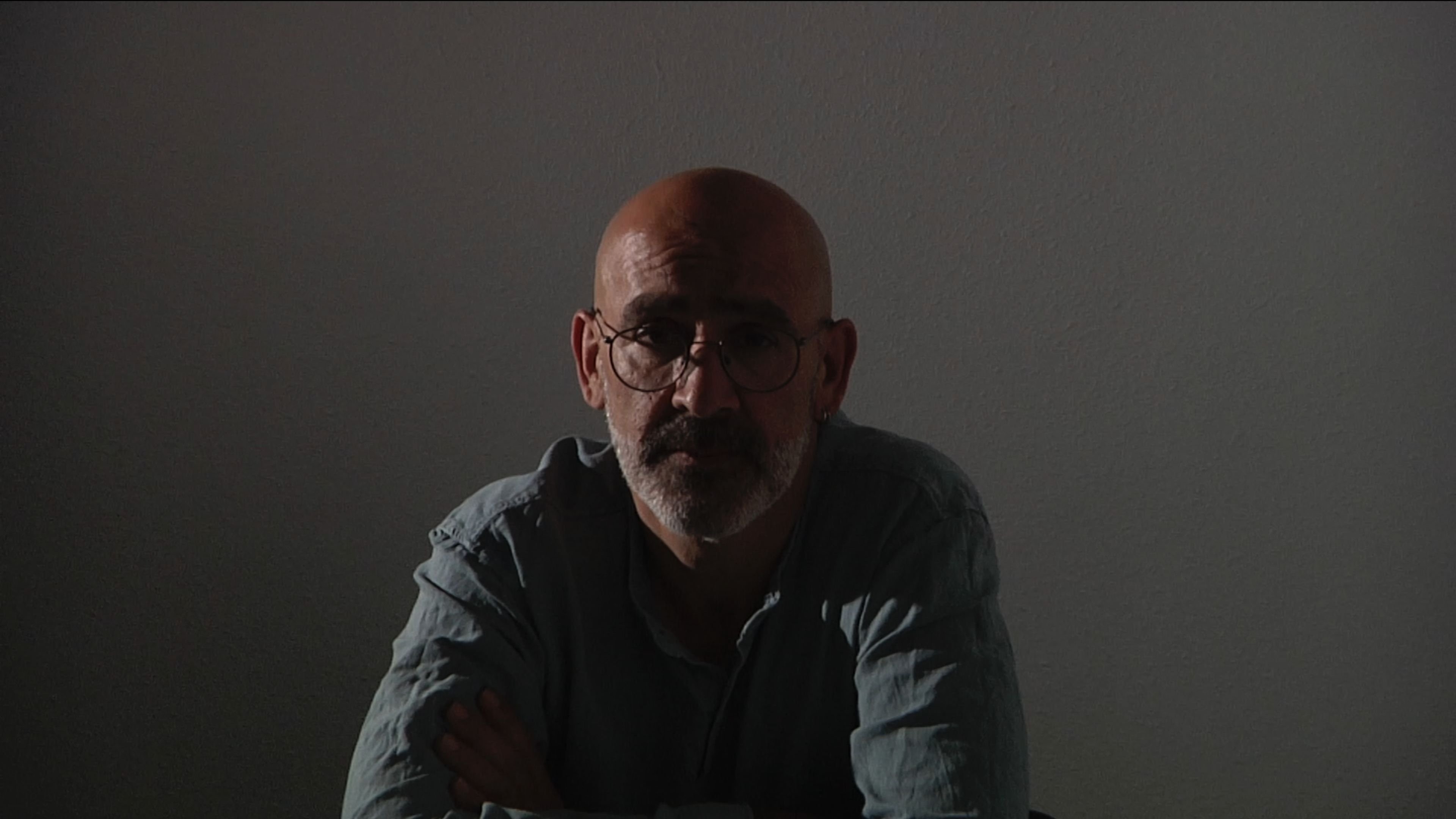



The Agirre family, made up of Iñaki and Miren, and their children Aitor, Janire and Arene, is a wealthy family that enjoys a privileged position in Basque society. At the beginning of the story, a journalist interviews the perpetrator of the macabre murder of the owners of the well-known company “Talcos Agirre”. A call to the emergency services alerts the police to the event. The viewer is immersed in the intrigue surrounding the case until the identity of the murderer is revealed.
Why did Māhū, a term once respected in Hawaiian culture, become so controversial?
Documented human suffering is never easy to view or read about and is understandably triggering for many people, but it can be educational, and education is a key to change. An overwhelming amount queer people worldwide (and in my own country) have it far worse than I could imagine, and documentaries such as Welcome to Chechnya bring issues to light that certain groups of people would never see.
Spoiler Warning
I am shocked and upset to report that the movie about a female car mechanic who meets the love of her life online featuring Katy O’Brien does not, in fact, have a lesbian storyline.
While the director didn't set out to make a feminist film, "A Girl Walks Home Alone At Night" reads as a reclamation of female power in a patriarchal society.