It’s a bird, it’s a plane…it’s "Harriet"!
This is not a story of oppression but a story of liberation.




Drawing inspiration from a poem penned by Castro Alves, this film vividly captures the political, cultural, and intellectual climate of Brazil during the late 1970s. At its core, the story revolves around four distinctive embodiments of Christ's image: a black man, a soldier, an Indian, and a guerrilla fighter. These courageous individuals, hailed as the harbingers of doom in the tupiniquim lands, valiantly combat the insatiable avarice and oppressive "civilizing" brutality propagated by the formidable John Brahms—a foreign exploiter devoid of morals.
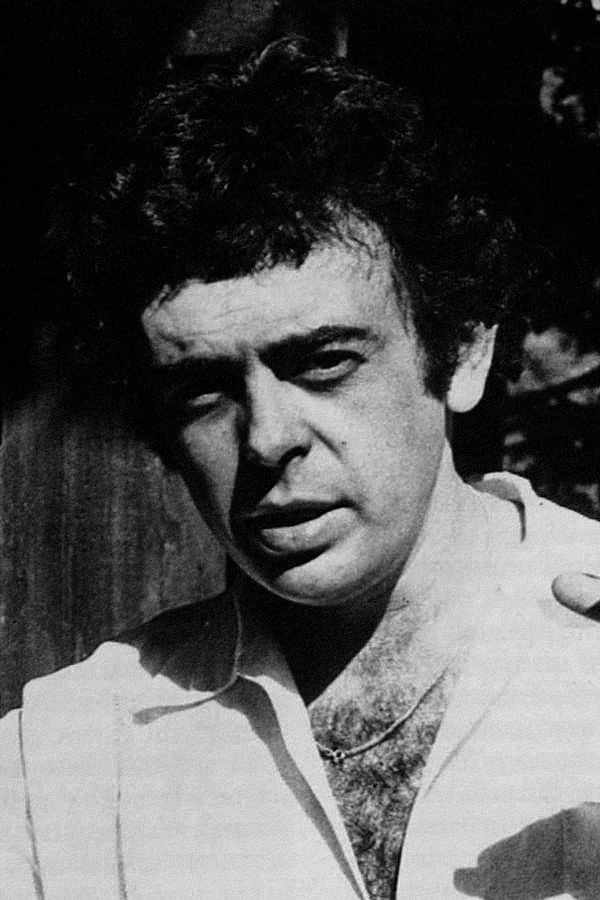
Glauber Rocha
Director

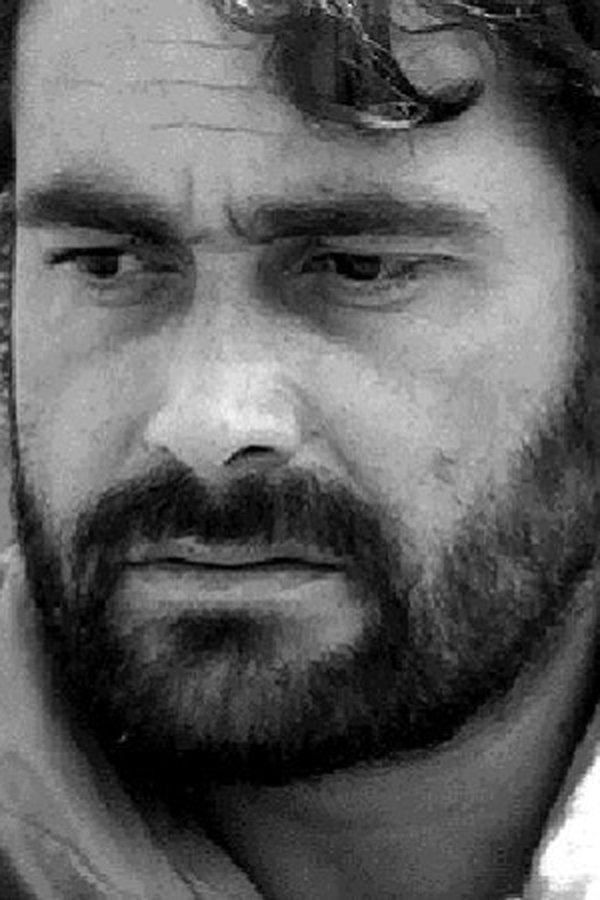
Maurício do Valle
Brahms

Jece Valadão
Indigenous Christ

Antônio Pitanga
Black Christ

Tarcísio Meira
Military Christ
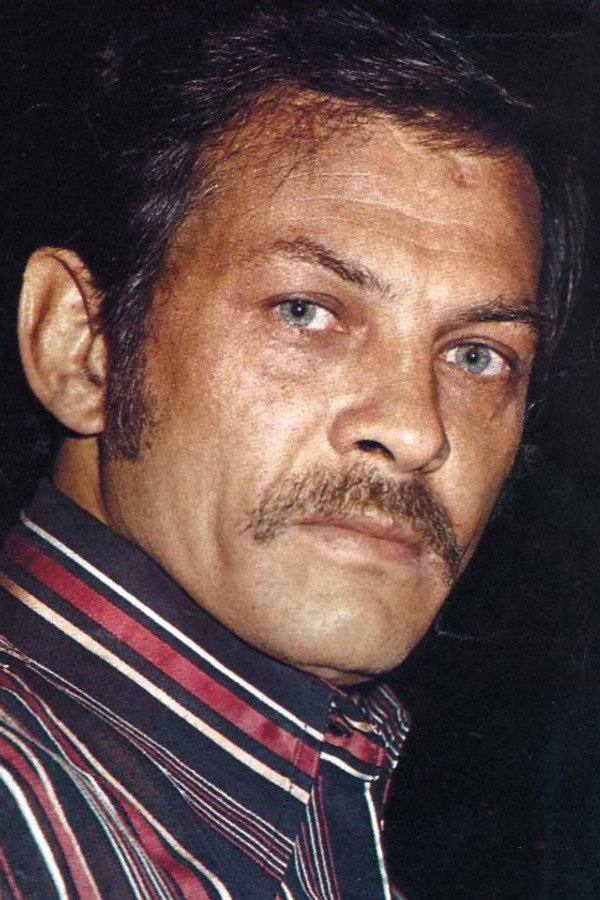
Geraldo del Rey
Revolutionary Christ

Ana Maria Magalhães
Aurora Madalena
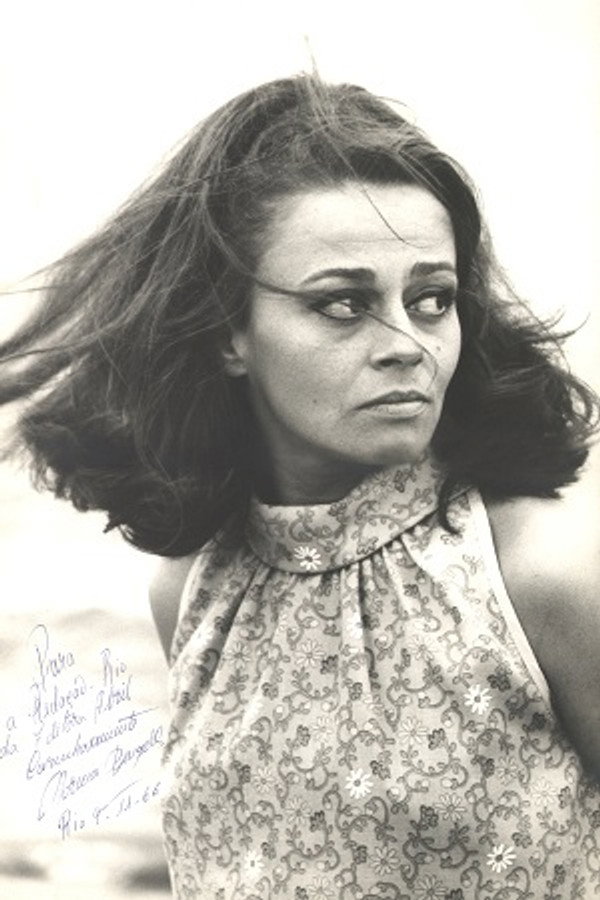
Norma Bengell
Amazon Queen

Danuza Leão
Brahms' Wife
Carlos Petrovich
Devil
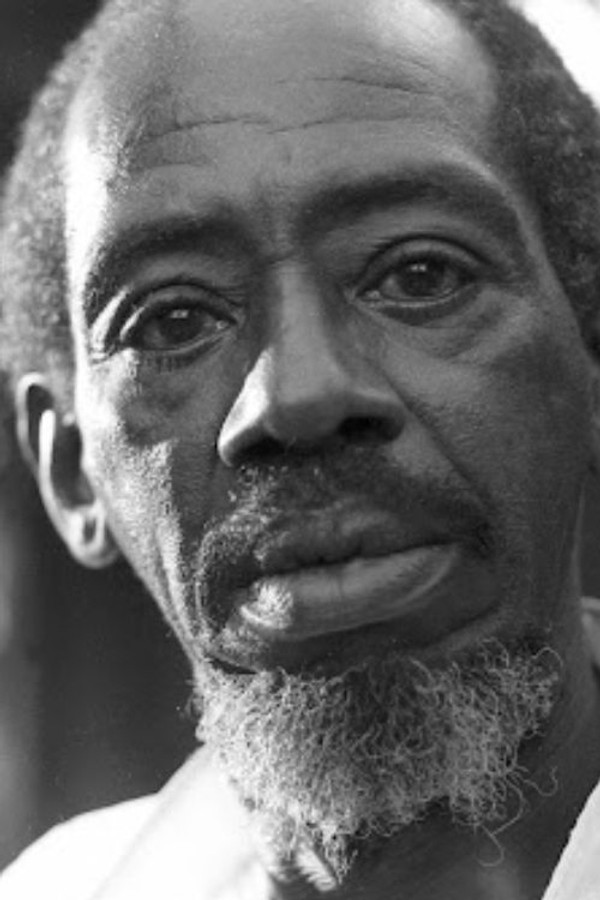
Mário Gusmão
Babalaô

Paloma Rocha
Young Woman
This is not a story of oppression but a story of liberation.
'An American Werewolf in London' possesses a possible queer reading in the way it envisions a heterosexual romance being undone by the presence of a creature who embodies self-contentment in the face of social alienation.
At 2:17 a.m., every child in a third-grade class wakes up, leaves their home, and disappears into the darkness—except one. The next day, teacher Justine Gandy discovers that Alex Lily is the only student left, while the rest have vanished without a trace. Did Justine have something to do with it, or is a far more sinister force stalking the town, targeting not just children, but anyone in its path?
The power of a talented female director like Patty Jenkins and an overall diverse cast is what makes this film worth watching for me.
The Djinn is about childhood traumas and lifestyle changes. It tells the story of Dylan (Ezra Dewey), a mute boy who blames himself for his mom’s death. He also condemns himself for being speech-impaired, and he thinks that if he did not have that condition, everything could had been different.
"Ladies First" has a fundamental misunderstanding of what's feminine because of the patriarchy and what women do because they genuinely enjoy it.