

Space Force: Netflix’s Series is Just as Unnecessary as the Real Thing
The series follows Mark Naird (Carell), a four star general who has been appointed to run the newly created Space Force



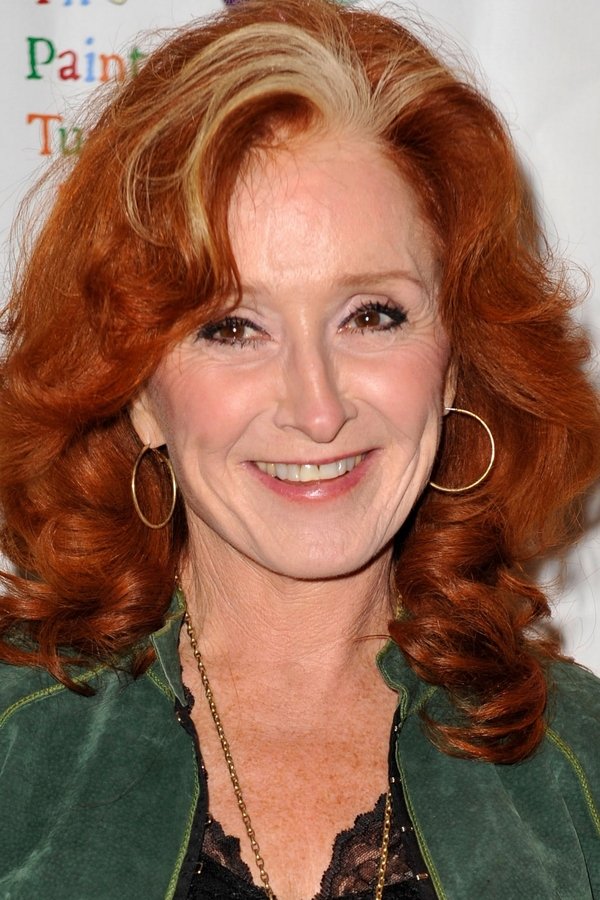
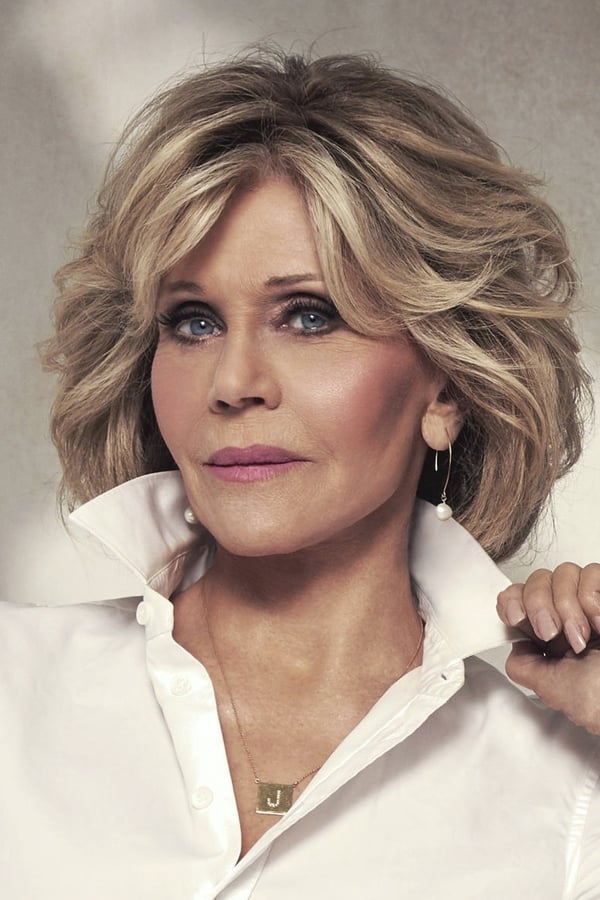
For decades, Barbara Dane lent her stellar singing voice to social-justice movements in the Bay Area and beyond, garnering an impressive FBI file along the way. Deeply respected by fellow luminaries in folk, blues and jazz, Dane built a far-reaching legacy with music, activism, and love. As Maureen Gosling’s celebratory portrait reveals, early solidarity with those suffering racial and economic injustice sparked Dane’s passion to use her talent to sustain marginalized people. Rather than chase stardom, she followed her own maternal instincts to root herself and her family among generations of activist performers. Bonnie Raitt, Jane Fonda and other notables attest to Dane’s unique way of shaping and being shaped by tumultuous social revolutions from the 1950s on. Nearing 90, Dane triumphantly tours with piano virtuoso Tammy Hall to celebrate a life of staying awake and connected, true to her ideals. One star among many illuminates so much.
The series follows Mark Naird (Carell), a four star general who has been appointed to run the newly created Space Force
"Come Play" was entertaining and had some great ideas about how to scare children away from playing with facial recognition settings.
I was able to sit down and talk with singer/songwriter Carson Lueders about his career in the music industry. We talked influences from country music to Pop, and his working relationship with Quavo from the The Migos.
As one of the women said in the film, friendship in your teens is “as important as any lover” and it’s clear they lived that philosophy throughout their early adult lives as well.
This anti-love young adult movie includes mature topics and dialogue.