Trans Allegories in Film: 'Robots' (2005)
Animation as a medium of storytelling can be thought to be open to all ages and as I hope my readings will reveal, they could be interpreted as transgender stories.
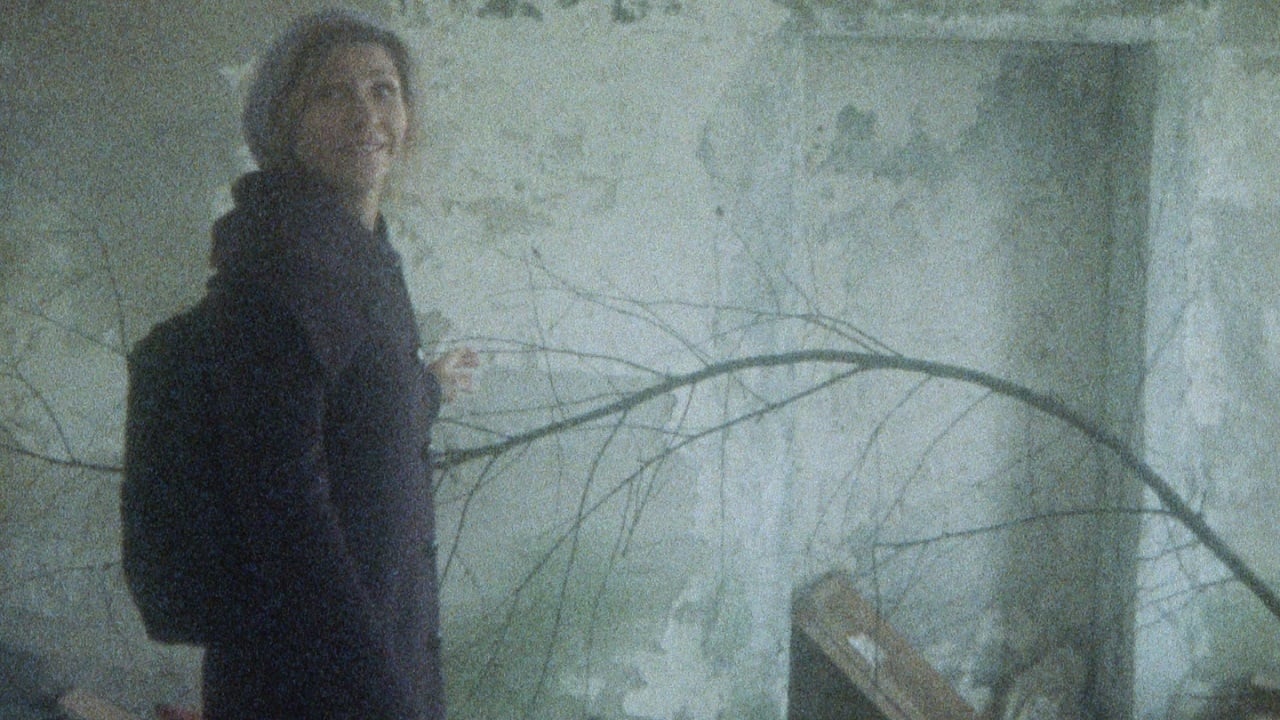
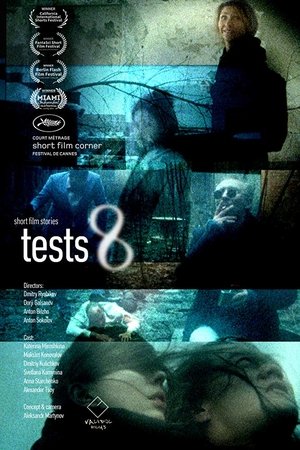


Short stories shot by four different directors on 8 mm film. The first story by Dmitry Ryabikov is a real field test for a feature which was done as experimental film about the Creation of the World. The second story is an action short by Dorji Galsanov about problems and understanding between two friends. The third one from Anton Bilzho, a teaser for upcoming thriller, is about love to invisible creature. And the fourth story by Anton Sokolov is about love to aliens - a logical final of all parts.

Anton Sokolov, Anton Bilzho, Dorji Galsanov, Dmitry Ryabikov
Director

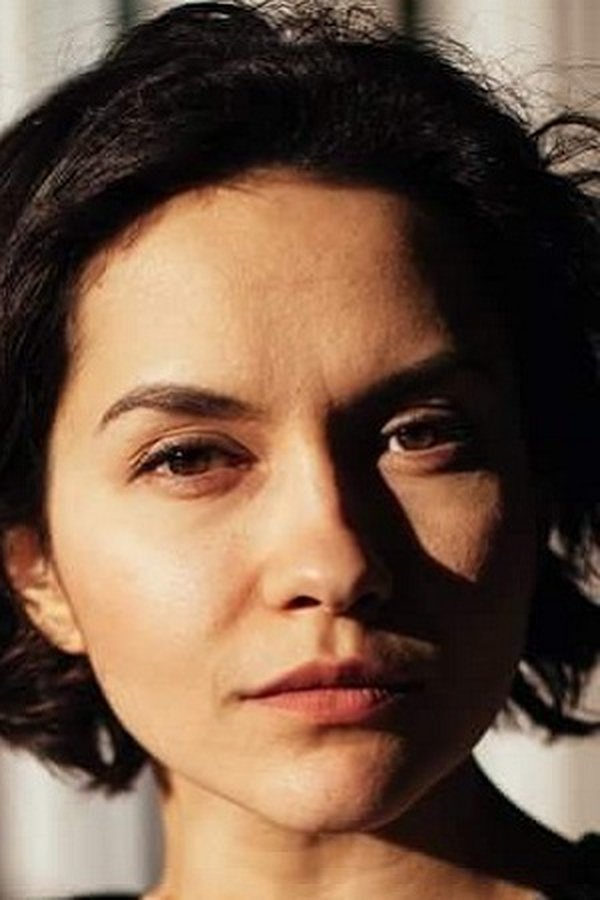
Katerina Miroshkina
(segment "The time has come")

Maksim Konovalov
Rusya (segment "Exhalation")
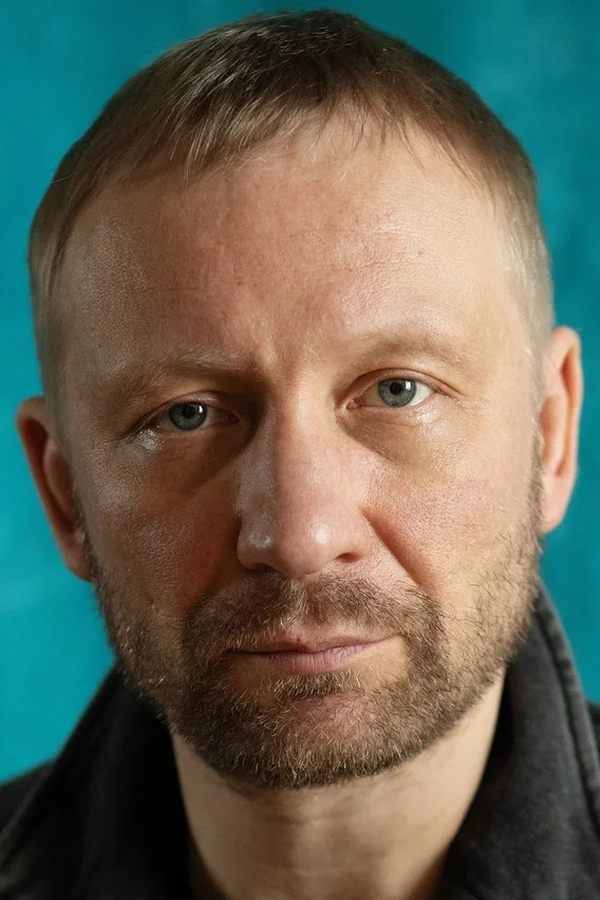
Dmitriy Kulichkov
Vitya (segment "Exhalation")

Svetlana Kamynina
Mariya Guseva (segment "My unseen")

Anna Starchenko
disappeared girl (segment "Disappeared")
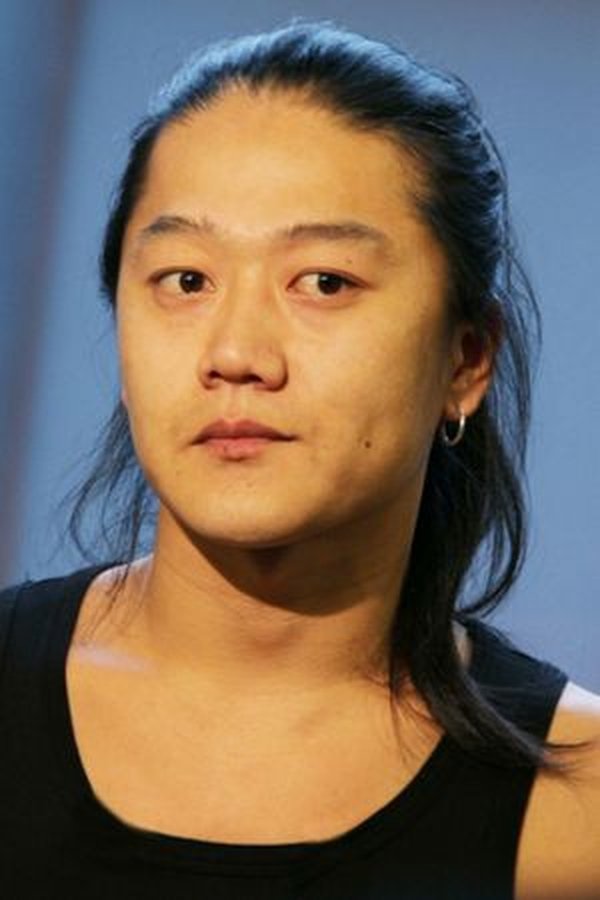
Aleksandr Tsoy
alien (segment "Disappeared")
Animation as a medium of storytelling can be thought to be open to all ages and as I hope my readings will reveal, they could be interpreted as transgender stories.
"The Platform" is horror and science fiction film doubling as a visual commentary on capitalism and economic inequality. The movie is not for the faint of heart nor the viewer hoping for political neutrality in their film's depth.
Turning Red' has received hate for being 'unrelatable' while dealing with one of the most human experiences. Despite the Turning Red controversy that it's unrelatable, it is yet another Pixar classic that will inevitably stand the test of time.
'Don't Breathe 2' is a sequel that forgoes almost everything that made its predecessor good, and asks audiences to root for a rapist on top of that.
Frozen II is not quite direct to DVD Disney sequel level, but if it wasn’t for the spellbinding animation and budget, it certainly would be.